Valet Tray or Watch Stand? Choose Around the Way You Empty Your Pockets
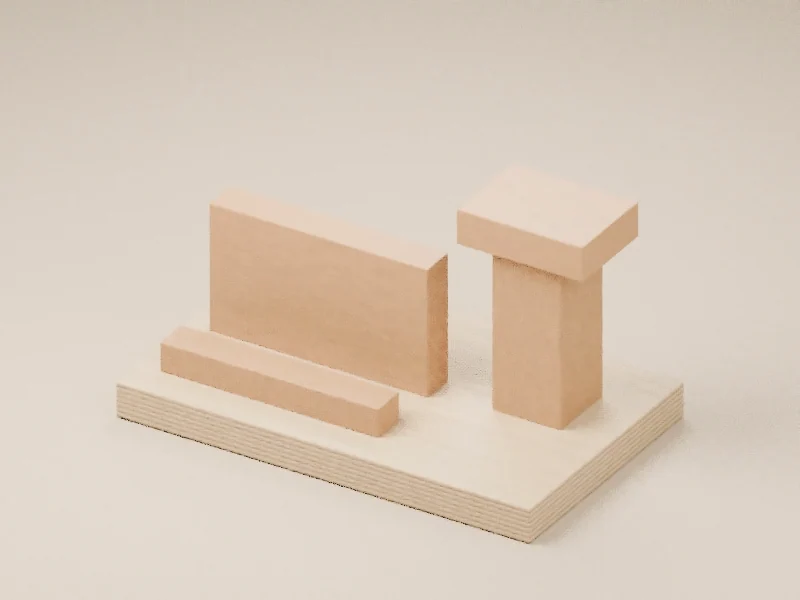
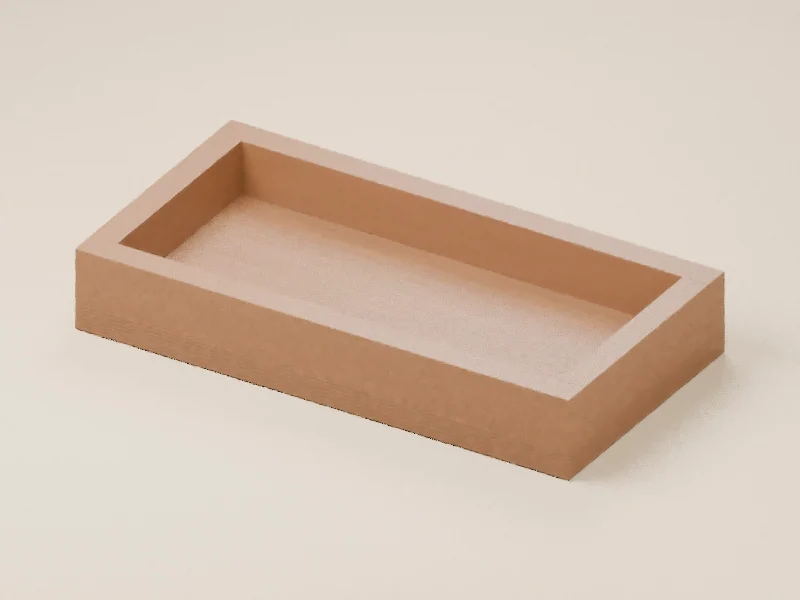
Compare a 14-inch catchall with a 9-inch wallet and watch stand by checking loose items, strap shape, and dresser clearance.
Field guides
Compare projects by where they sit, what they hold, and how you use them.
33 field guides
Try a shorter search or search all field guides.
Compare a 14-inch catchall with a 9-inch wallet and watch stand by checking loose items, strap shape, and dresser clearance.
Compare the 8-inch tabletop key tree and 12-inch leash station using loaded depth, hanging height, and the motion your hand needs.
Decide between an 18 × 12-inch slatted shoe deck and a tall umbrella stand by mapping where water lands and how catchers come out.
Compare a 16½-inch seated boot jack and an 11-inch hand-brush dock by testing heel grip, brush removal, and bench reach.
Choose between a two-pocket envelope sorter and open-front letter tray using the tallest piece, curled paper, and a measured pull path.
Compare a low horizontal notebook shelf with a 3 × 5 card file using hand clearance, divider visibility, and reference habits.
Compare a front-grip caddy and two-level carton shelf by tracing how soft bundles and rigid packages leave a pantry.
Compare a peg-grid lid rack with a high-rail cutting-board file using knobs, rubber feet, and cabinet lift.
Compare a three-step spice riser with a two-well grinder carrier by measuring jar labels, mill feet, and the trip to the table.
Pick which small tabletop project earns its space by comparing plate rim height, the cloth fold, and the order people set the table.
Compare a two-bin tea caddy with an upright filter holder by testing packet seams, paper separation, and overhead hand clearance.
Compare a sweep-front work tray with a two-pan station by deciding where used mix, fresh bark, and cleanup tools need to go.
Compare a 12-inch cloche base with a 9-inch slatted sleeve around the vessel you already own, then trace how it comes apart for watering.
Compare a 24-inch carrier for a removable 1020 tray with a 14-inch mounting platform for a compatible commercial light.
Compare temporary pole support at the bench with a three-rung tabletop trellis for light stems growing in place.
Use the vessel profile, water line, and lift route to choose between an open-front single-vase sleeve and stepped two-vase display.
Compare a three-bottle propagation rack with a narrow herb tray by testing the vessel feet, saucer access, and uninterrupted support.
Compare a clipped writing board and open-front sheet tray by following the actual sheet from working position to parking position.
Compare a three-lane quilting ruler holder and a two-level bench rack using broad acrylic, a projecting square head, and storage orientation.
Compare a four-level sheet file and a six-bay 5-inch disc rack by labeling inventory and measuring access to the last piece.
Compare two bench storage plans by shank fit, cutter diameter, and what your fingers can safely reach.
Compare a 10-inch hand-saw bench hook with a 16-inch shooting board, then choose based on sawing support or end-grain trimming.
Choose a wooden guide for the error you want to catch, from drifting pencil marks to a hand drill leaning off vertical.
Compare a lined glue brush rest and a five-position paintbrush rack by handle shape, ferrule position, and cleanup.
Contrast a clamped stitching holder with a hanging rack for short leather straps, using seam reach and clean drying clearance.
Compare the clearances of a two-level game rail and small postcard display around sleeves, visibility, and movement during play.
Choose between a 14-inch tabletop weaving frame and 12-inch blocking board by looking at warp spacing, finished shape, and release.
Compare a square bowl cradle and three-spindle holder around the way a yarn ball, cake, or spinning bobbin releases yarn.
Compare a side-access roll cradle and carton shelf around diameter, labels, and how the material is withdrawn.
Plan a small art bench around capped bottle reach or drying clearance for separately clipped model parts.
Choose between separate working plates and a removable three-bin insert around visibility, grouping, and room to lift.
Compare a bookbinding cradle and clipped sketchboard around fold registration, expendable backing, and paper that stays flat.
Choose an empty bottle rack or labeled can lanes by tracing handle clearance, collection size, and how the next item comes out.