Choosing a project · 3 min read
Glass Cloche Base or Slatted Pot Sleeve? Choose the One You Can Remove
Should I surround a nursery pot with slats or set a glass cloche on a wooden base?
Offcut Journal editorialUpdated
Short answer
A cloche base seats a purchased glass bell on a removable liner. A slatted surround disguises a nursery pot and saucer beneath a sleeve with no floor of its own.
Compare the builds
These dimensions belong to the linked plans.
Finished dimensions in width × depth × height order.
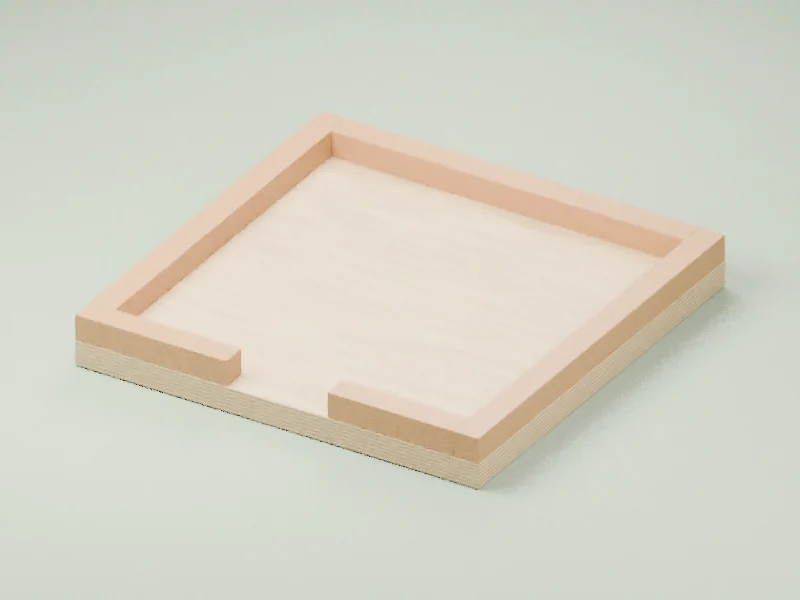
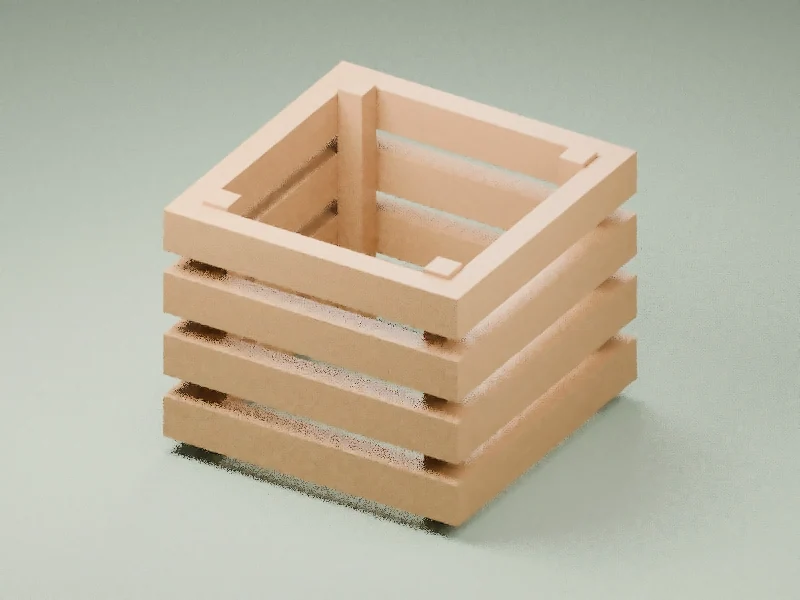
What to compare
Decide which thing moves first
Face the intended shelf, then simulate the motion to reach the plant. With a cloche, your hand may go to a knob at the top and lift the bell straight up before it can move to a protected landing area. With a sleeve, you can lift the wood off the saucer or take the pot up through the top if leaves and rim allow it. Mark where a light fixture, curtain, or other plant limits those motions.
Measure glass where it actually touches
A cloche can have a flared foot or an irregular lip. Trace its base on paper and measure by finding the widest outside dimension in two directions. The cloche plan uses a liner that lifts from a 3-inch opening in the front stops. A liner with its own rim can narrow the seating area of the glass. Build the stack on paper in the order it will come together and test early with the purchased bell on a padded work surface.
Keep the nursery pot and saucer together during trials
Measure the widest parts of the water-containing setup, including a lip on the saucer. Stand a tall paper tube in the pot to represent the stem and mark the broadest bit of foliage nearby. The sleeve needs an unobstructed bypass when lifting it independently of the plant. With a wider rim or mature leaves, you might need to lift the pot straight out rather than lowering the sleeve around it. Rehearse the operation before building.
Set a surface aside for each wet item
The cloche may need a safe landing area for its glass when you pull the liner. The sleeve needs a free area where the wood can sit while you inspect the saucer. Treat moisture containment as the job of the removable surfaces and select wood and finish for the indoor conditions around them. Use the handbook’s wood-moisture guidance when you choose a finish schedule. Empty and dry the pieces according to the vessel and product instructions.
Look for a liner that stays flat under the glass
The bell rests inside its liner. Set the dry liner on a level protected surface and check whether all of its corners sit down before setting the empty glass inside. Watch the edge while placing it gently. A crease or rolled liner rim can take up some of the available 10½ inches or raise one part of the foot. Try a flat-bottomed liner with edges outside the contact ring if your first choice moves. Do the same for an empty pot and saucer in the slatted surround, where the furniture supports the saucer directly. The sleeve needs a clear path around these parts, while the cloche needs an even surface underneath the glass.