Entryway
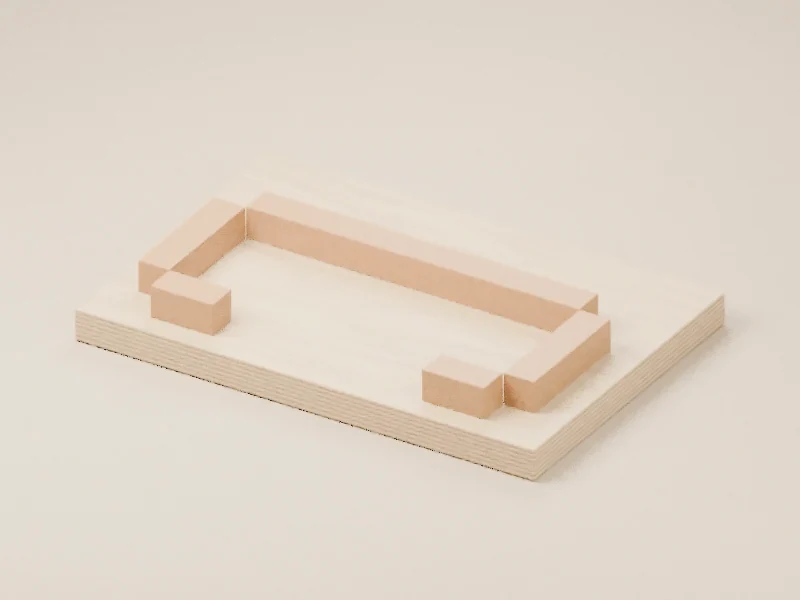
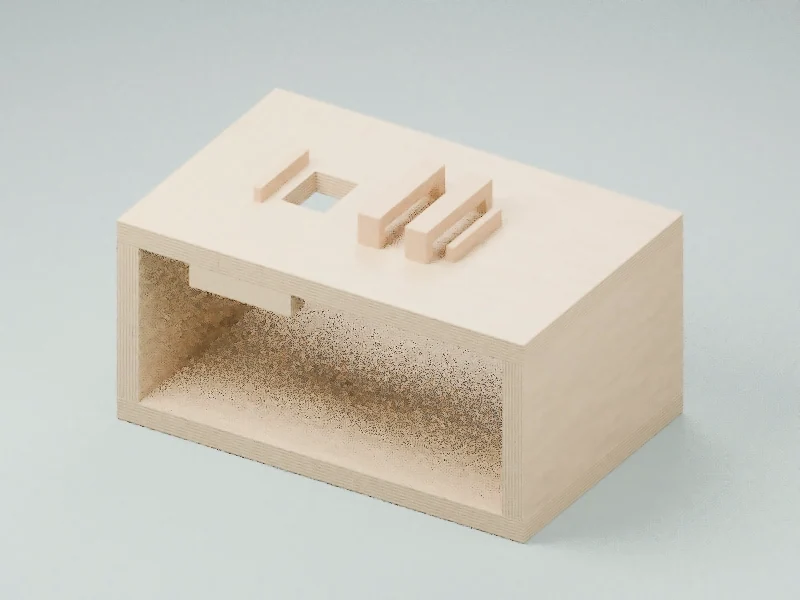
Walnut Valet Tray from Square-Cut Rails
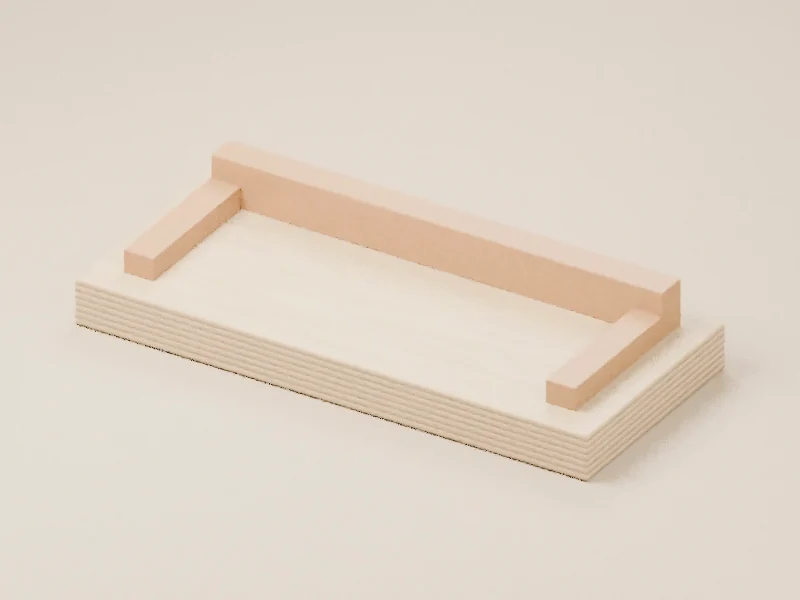
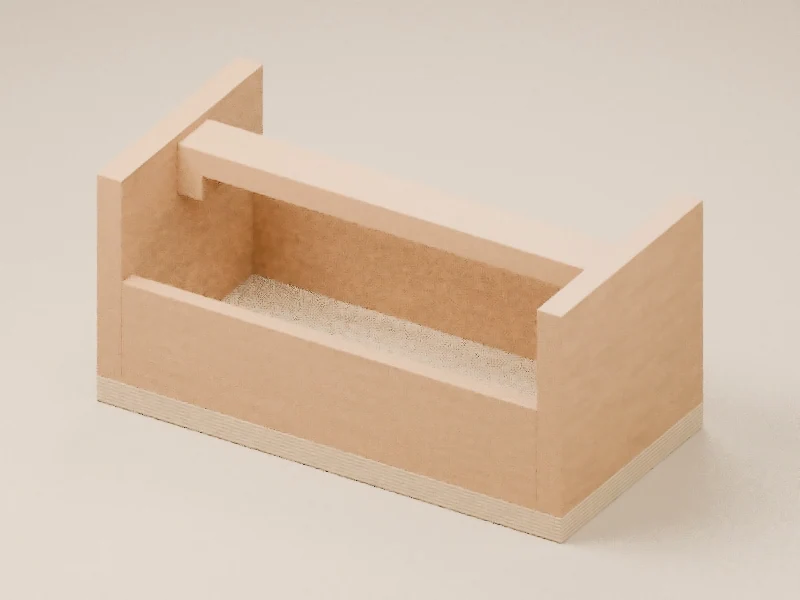
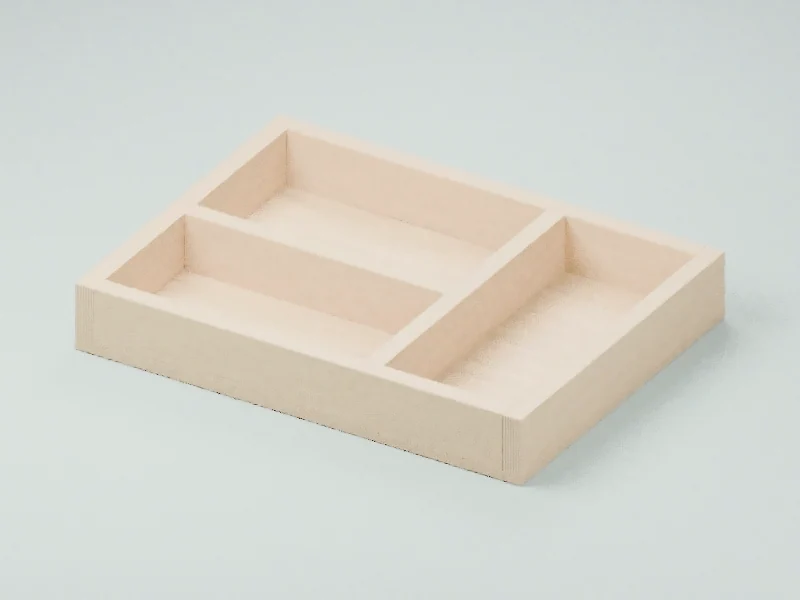
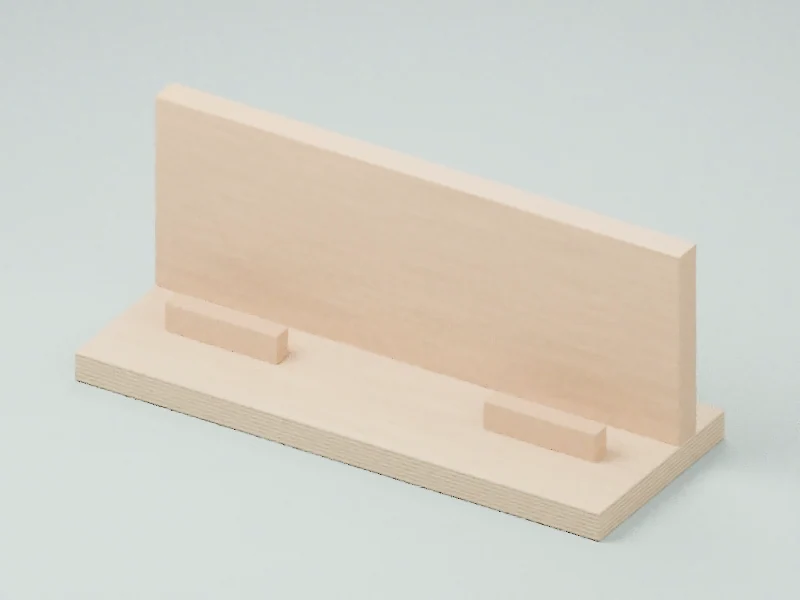
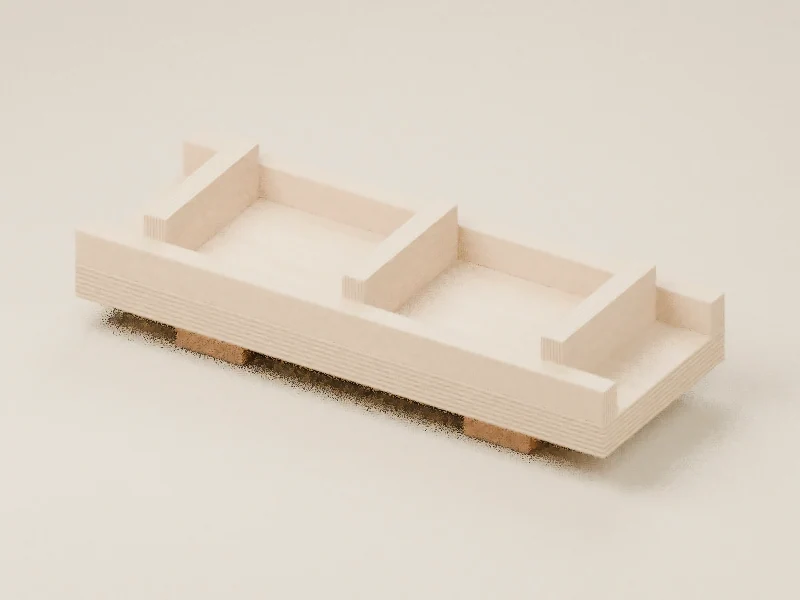
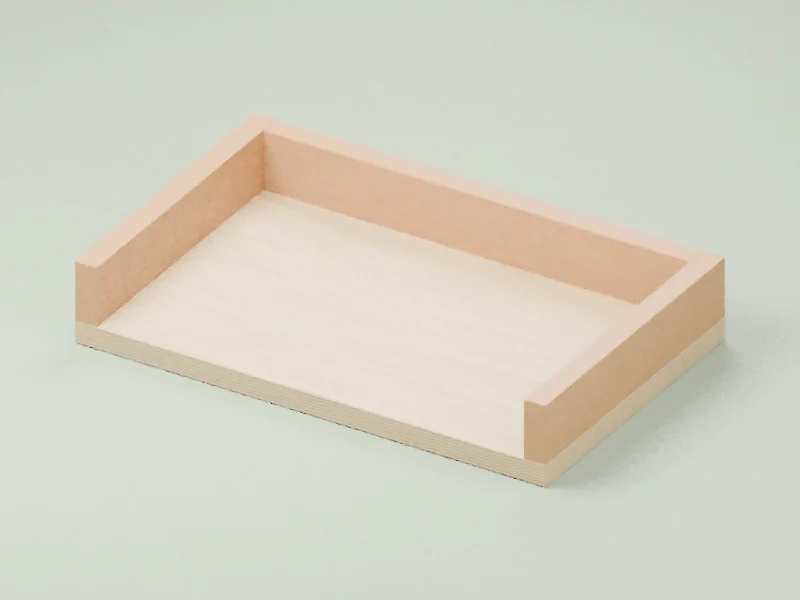
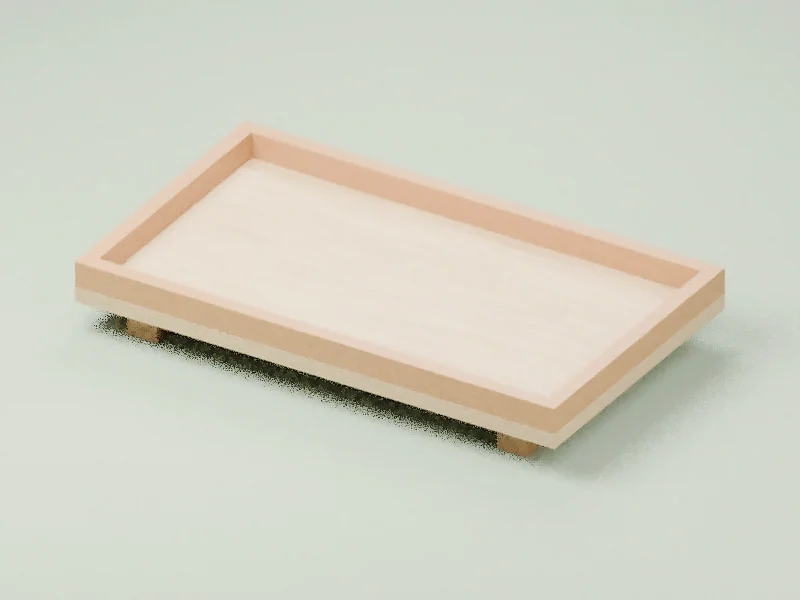
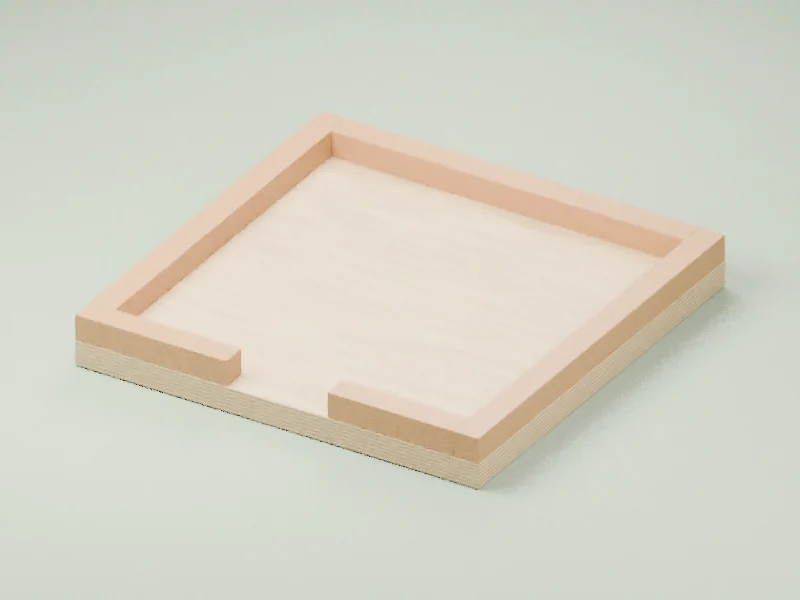
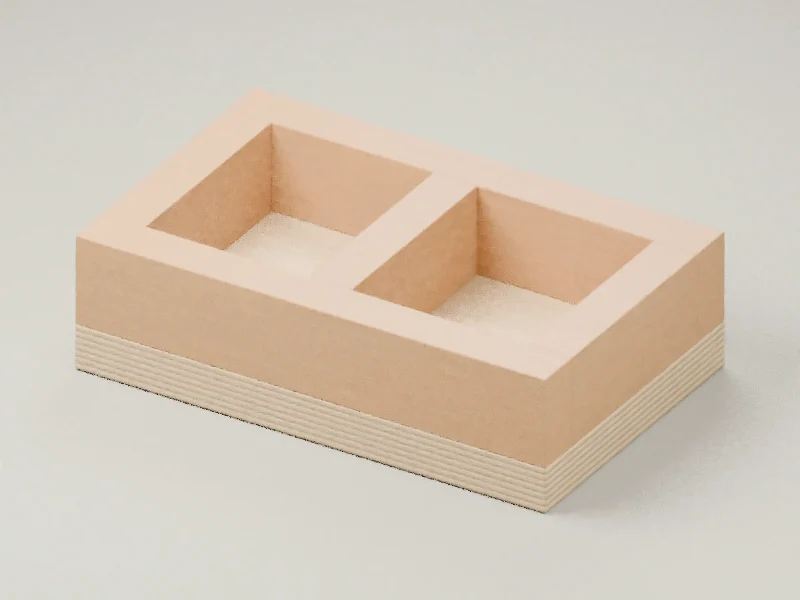
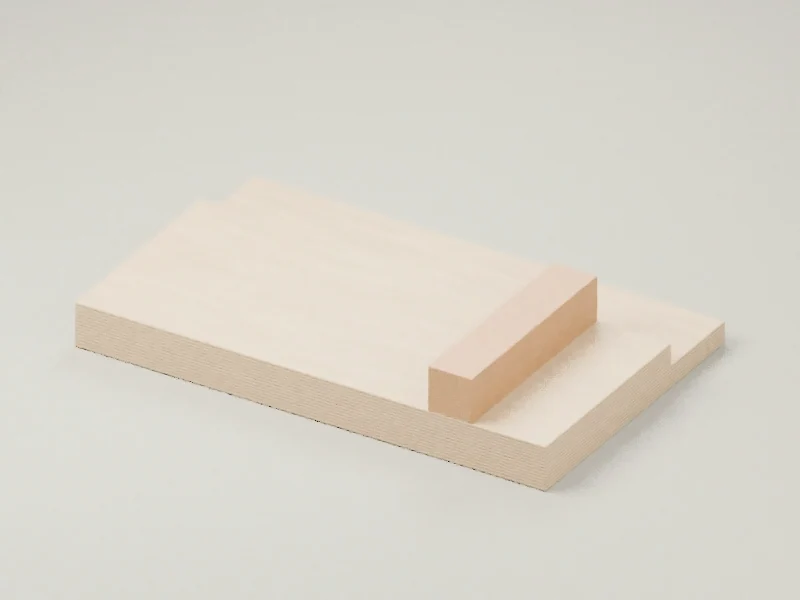
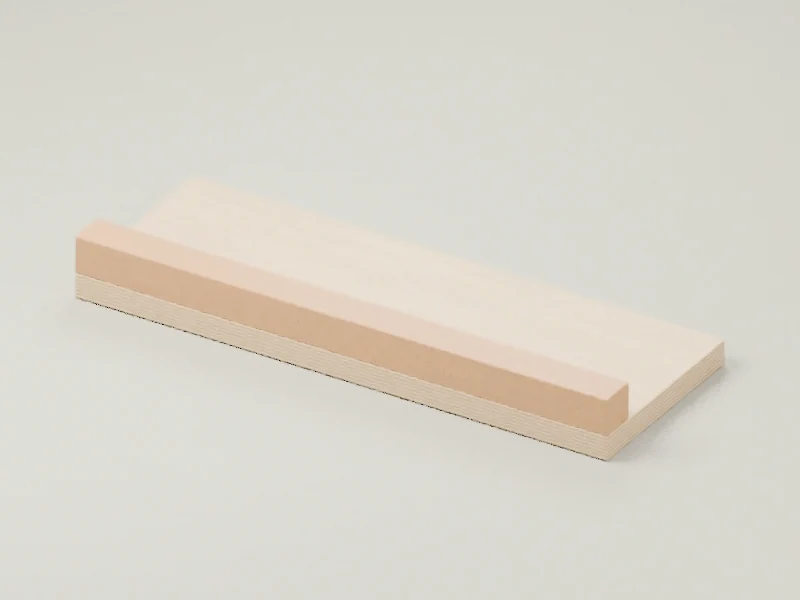
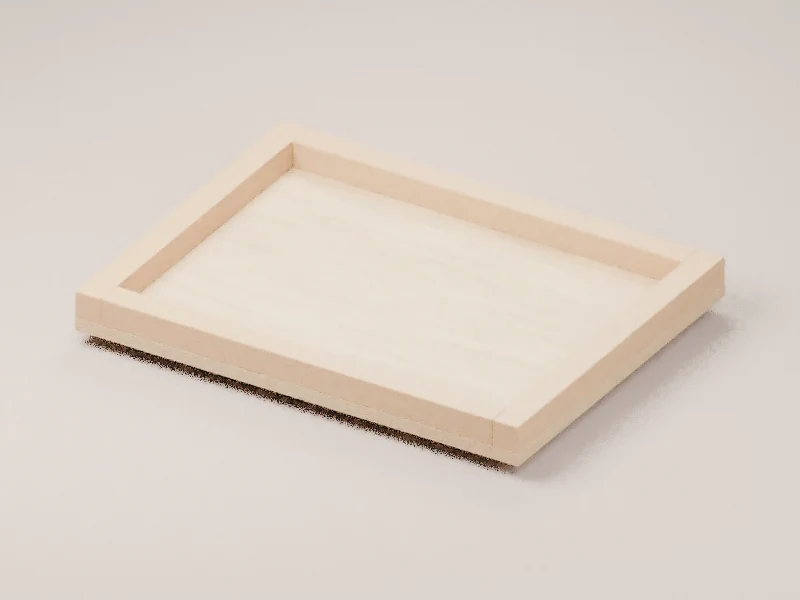
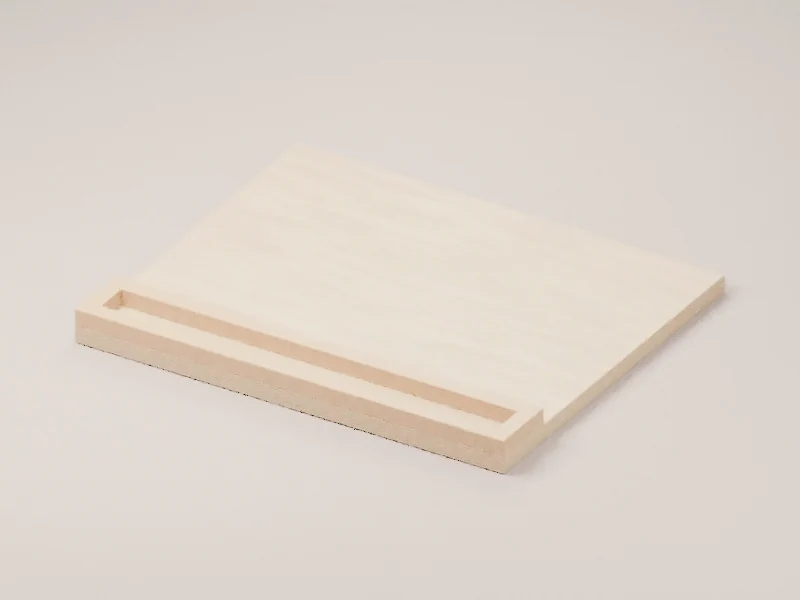
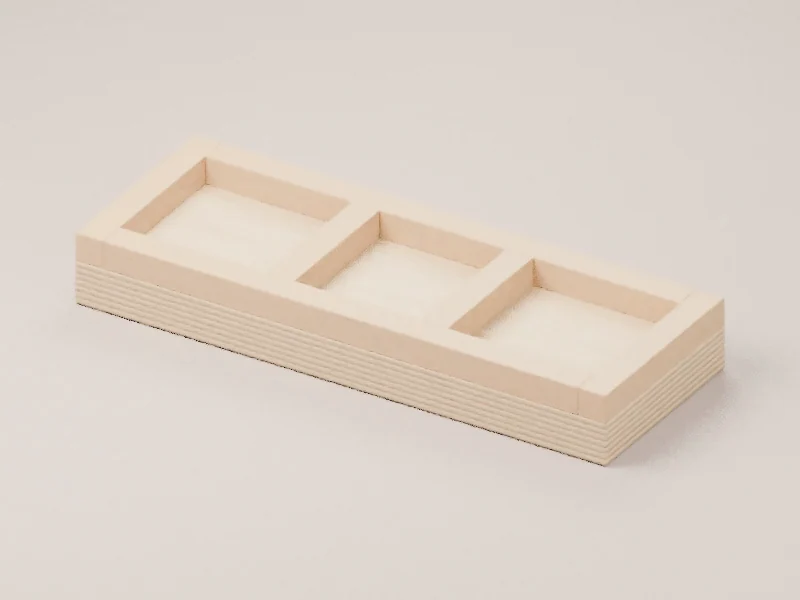
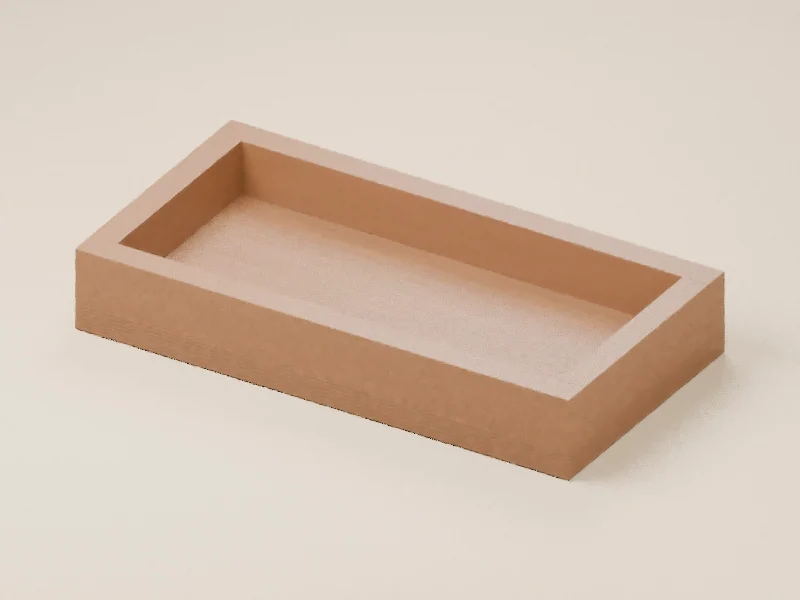
A 14-inch walnut catchall with a plywood floor and hidden screws. Check the 12½ × 5¾-inch usable space before fitting the short rails.
- Width
- 14 in.
- Depth
- 7¼ in.
- Height
- 2¼ in.
The plan library
Find a woodworking plan for the space you have, the stock on hand, or the first skill you want to practice.
Finished size 9 × 11 × 3¾ in.
Use a decimal or a fraction such as 7.25, 7 1/4, or 7¼. Board-length matches still need a thickness, width, and kerf check.
Swaps the project's width and depth. Check how it opens, rests, or mounts in that position.
Check the marked fields. Size limits start at ⅛ in. and cut pieces must be a whole number of 1 or more.
100 plans
Try removing a filter to widen the search.

Entryway
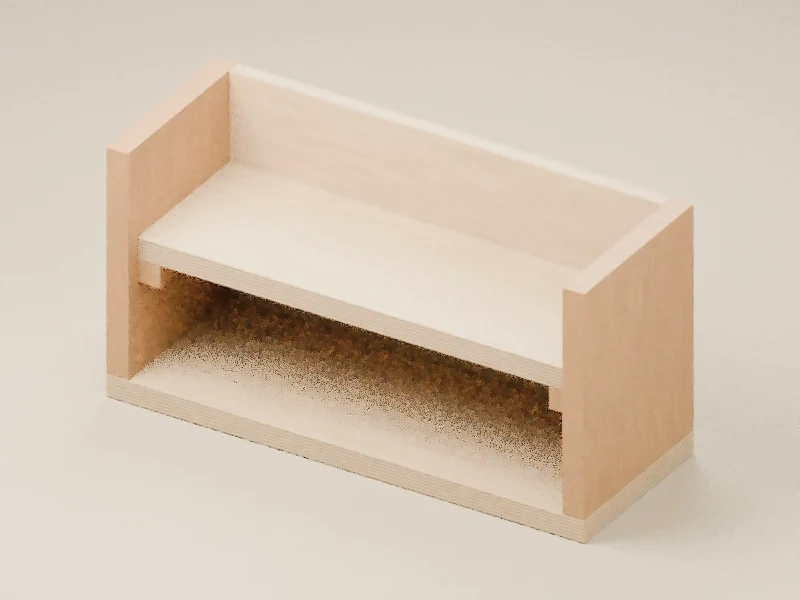
A 14-inch walnut catchall with a plywood floor and hidden screws. Check the 12½ × 5¾-inch usable space before fitting the short rails.

Entryway
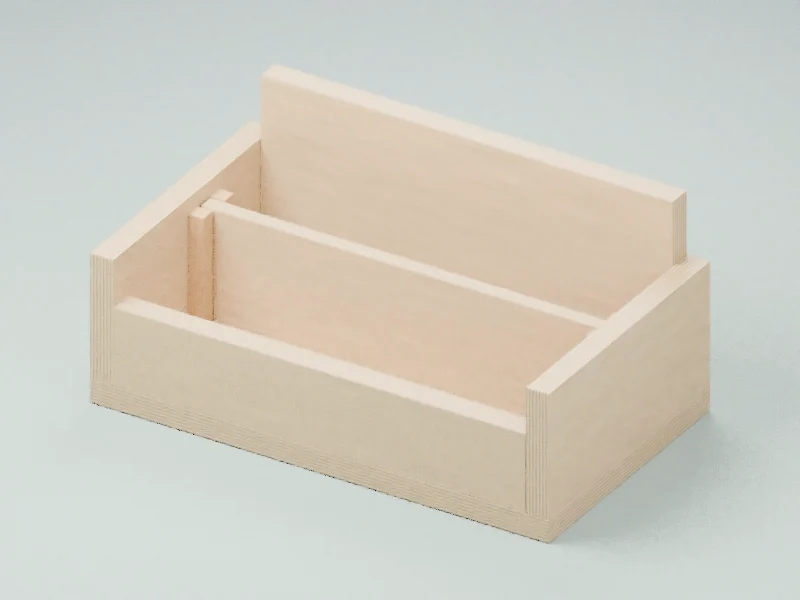
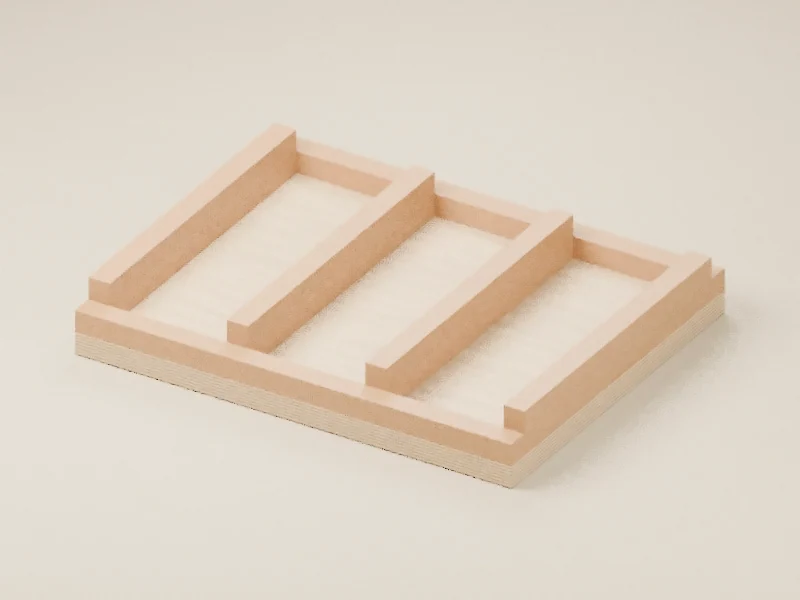
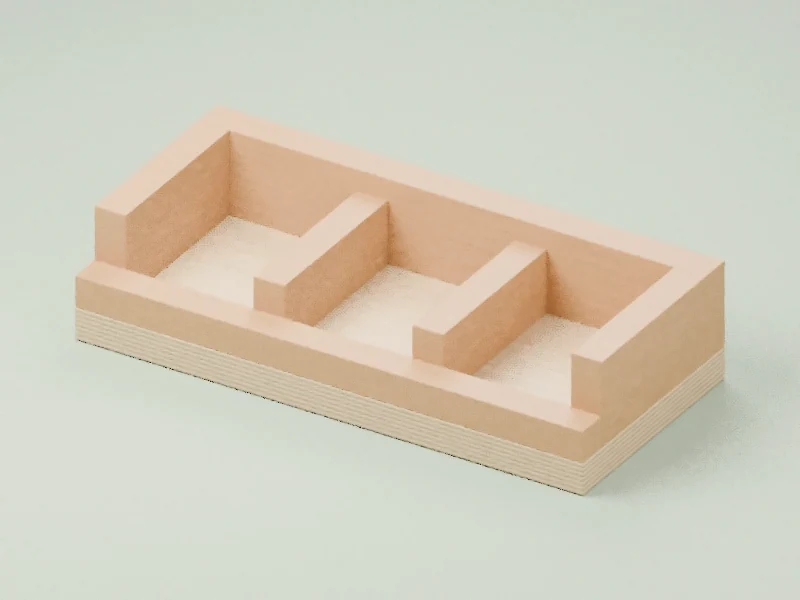
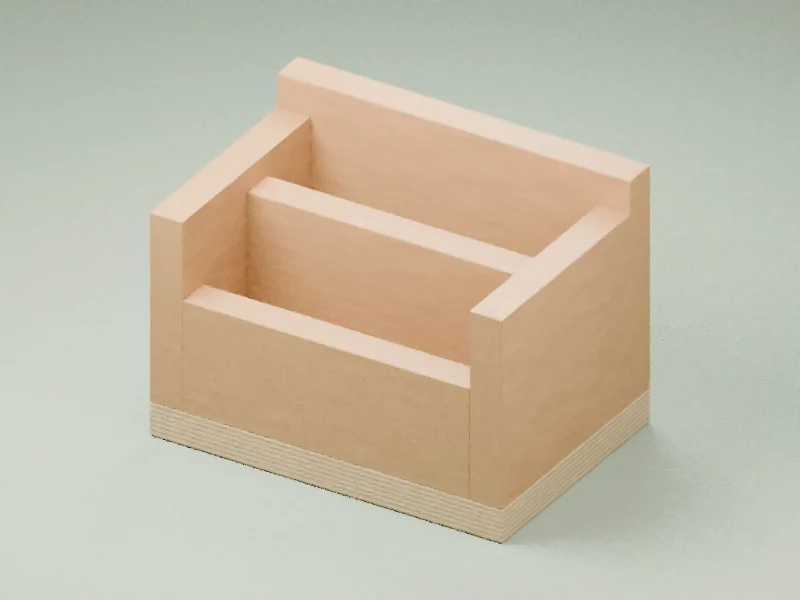
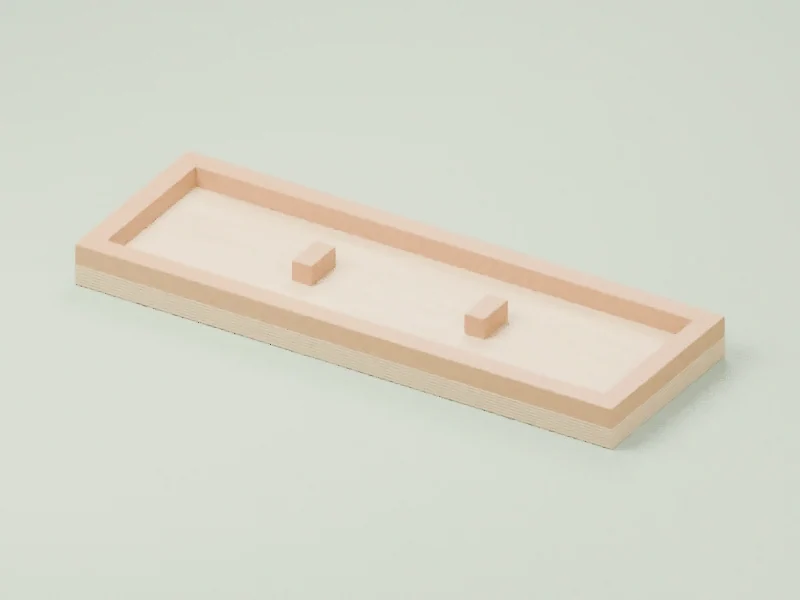
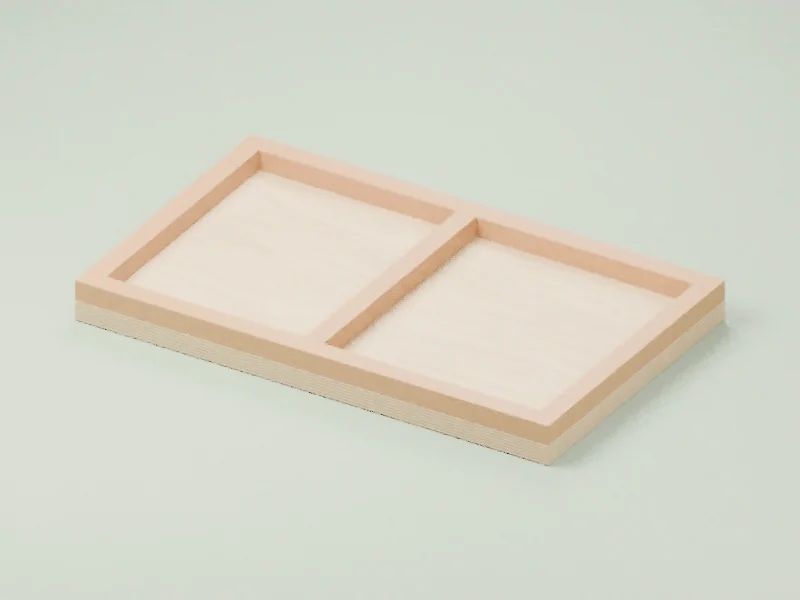
Set incoming mail behind a shallower outgoing pocket. This 12-inch wood sorter uses two scrap gauges to set the pocket depths before drilling.

Entryway
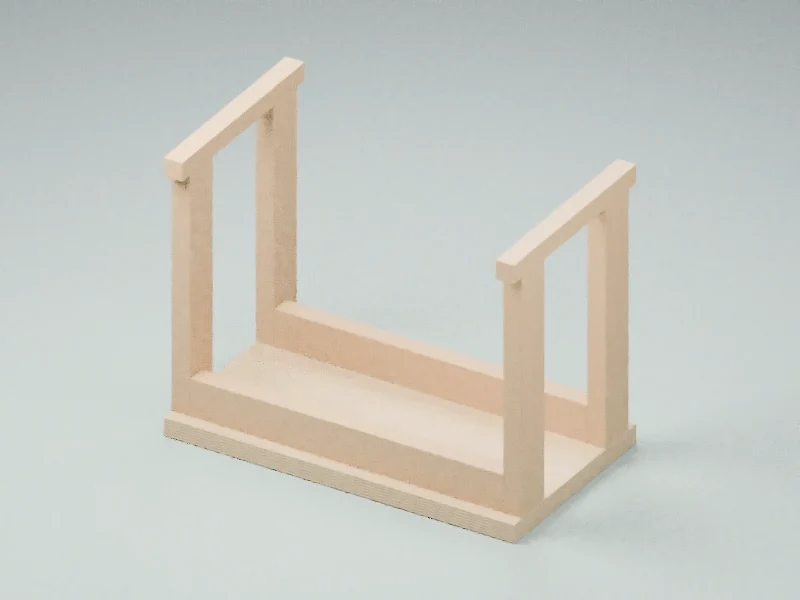
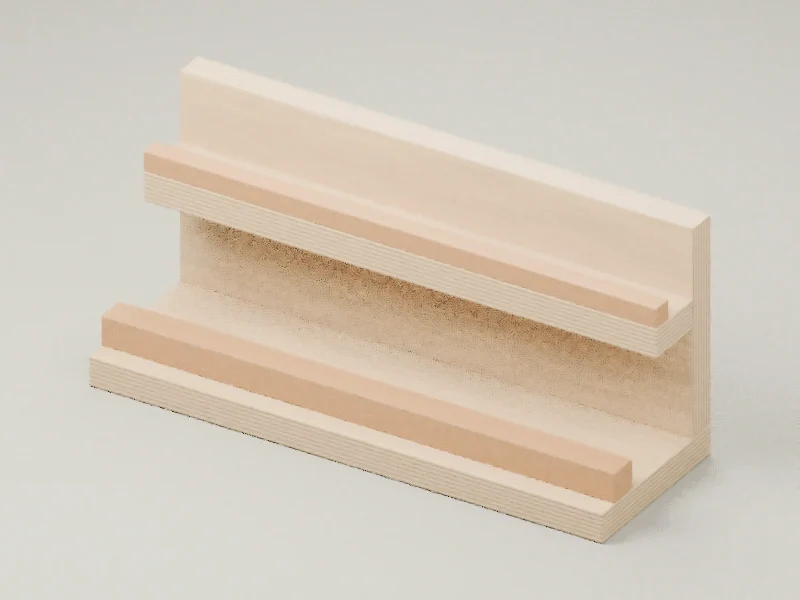
Lift folded glasses by the bridge without a front rail in the way. Check for daylight beneath the lenses before adding the removable felt pad.

Entryway
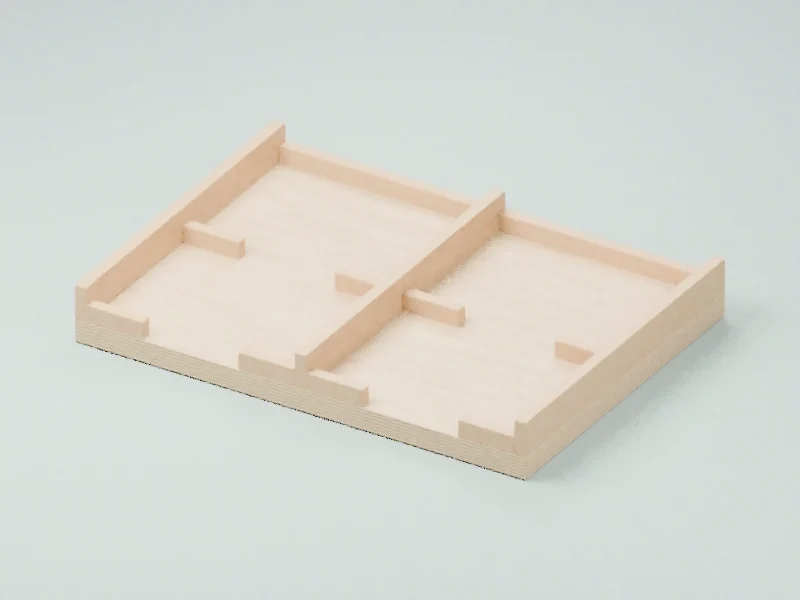
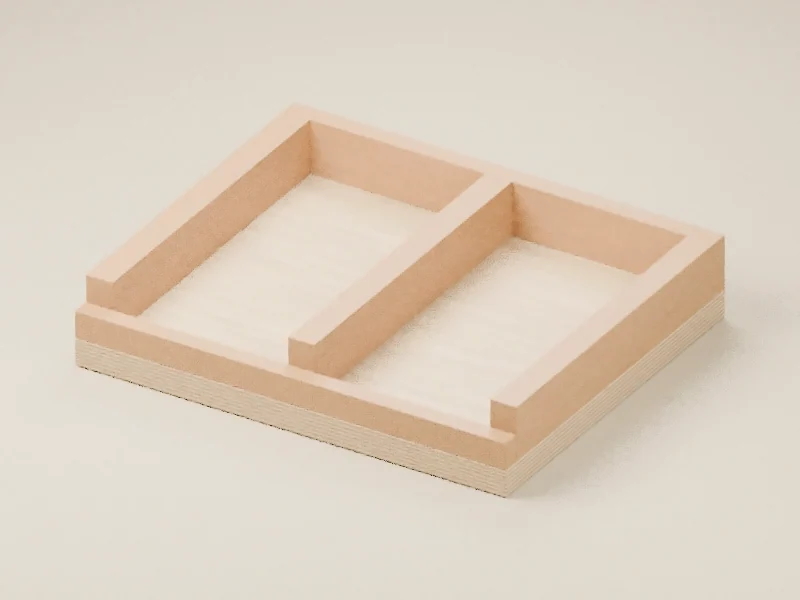
Make a 14-inch tote with low walls and a centered grip. Fit the capped polish jars first, then mark the hidden support screws so they miss each other.

Entryway
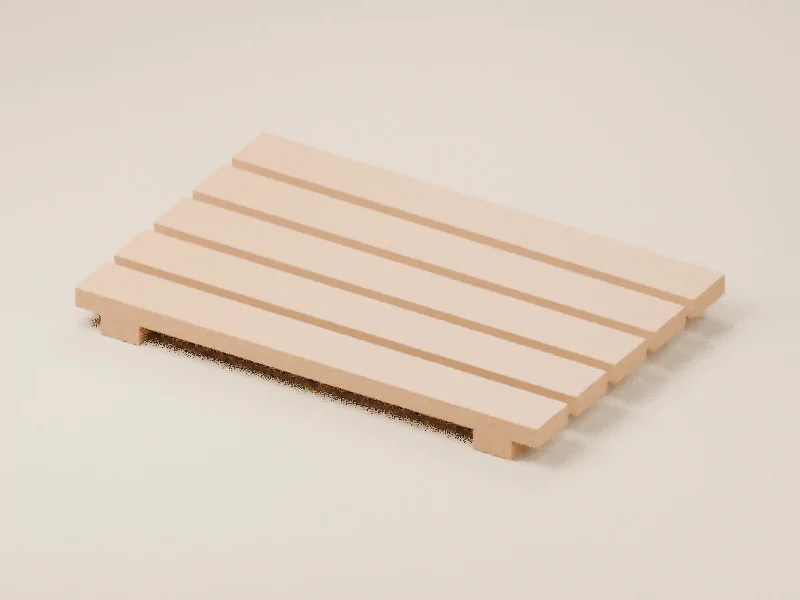
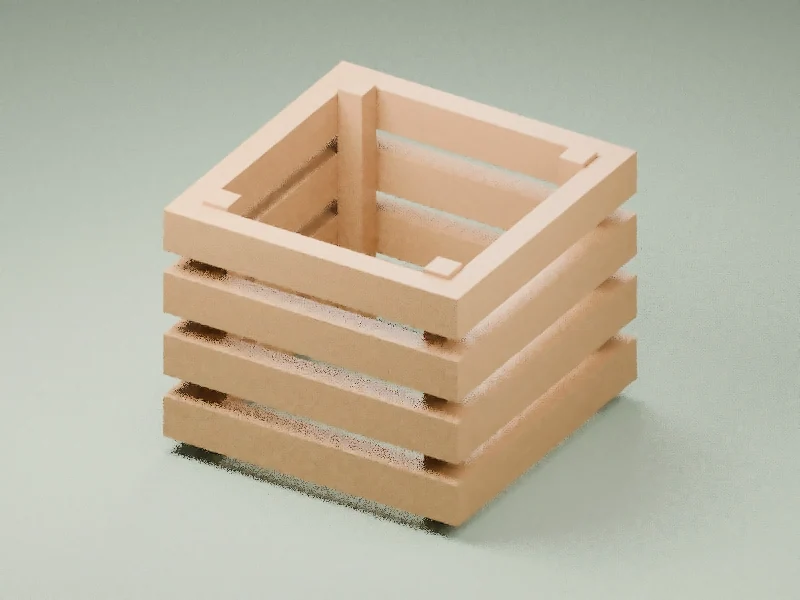
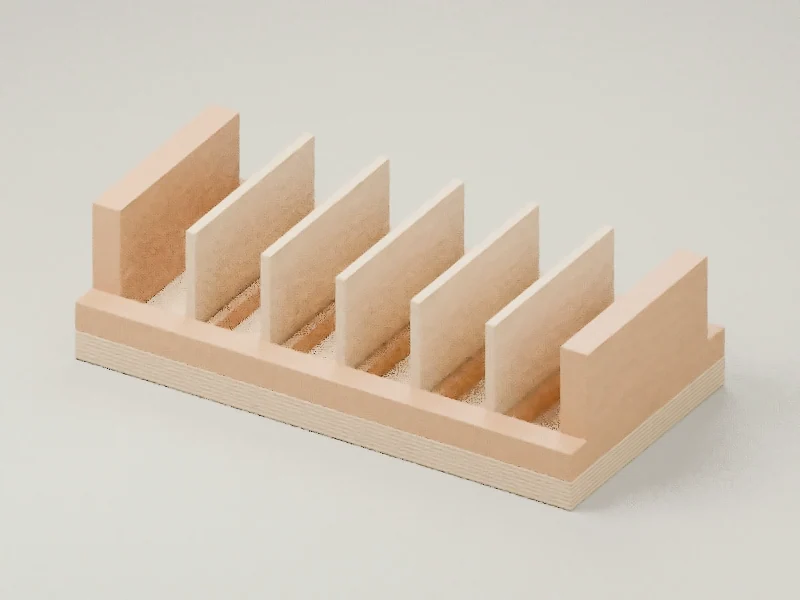
Set wet shoes on five cedar slats over a separate mat. Half-inch gaps let drips through, and screws driven from below keep the top clear.

Entryway
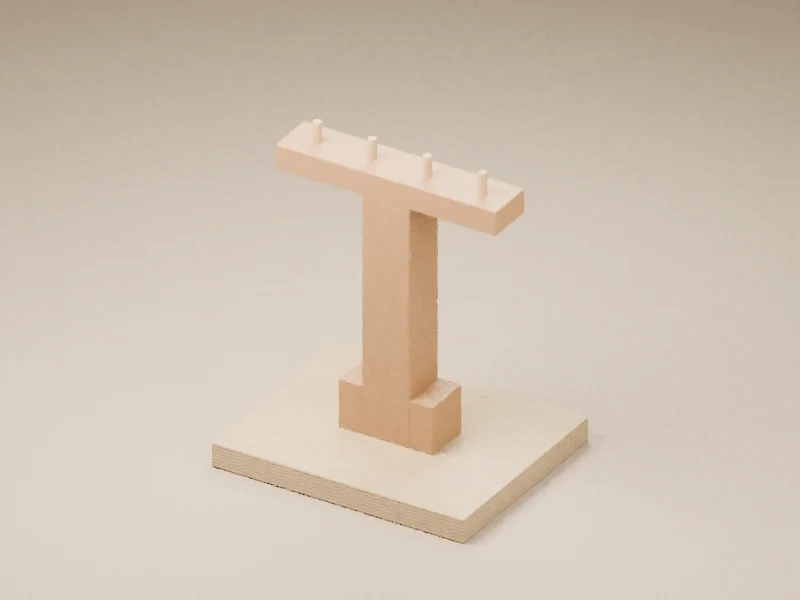
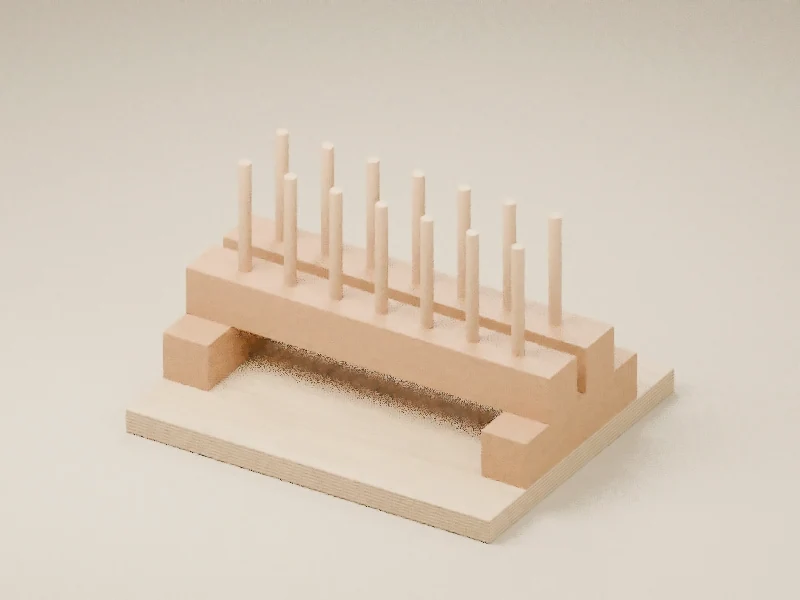
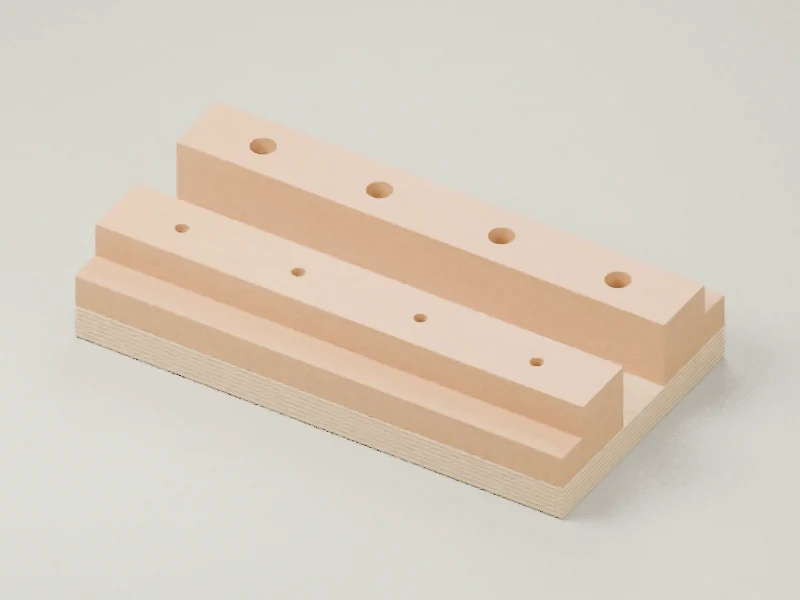
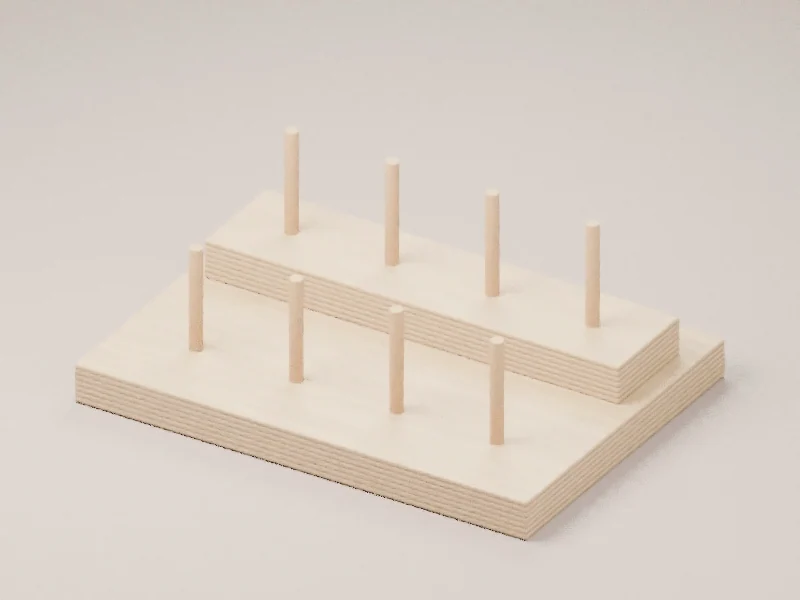
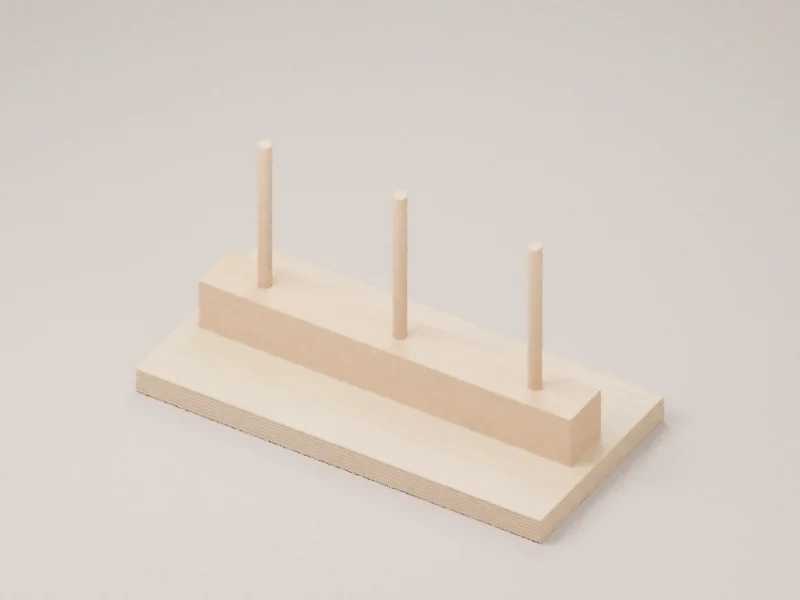
Build a four-peg key tree for a dresser or console. Try your rings on the dowel, then drill one test hole to set how far the pegs project.

Entryway
Size the pocket from your loaded wallet. An elevated wooden saddle supports the watch case and leaves both straps free to hang open.

Entryway
Build a wooden tray that slips over a flat couch arm. Use a card gauge to catch upholstery bulges and account for both felt liners before cutting.

Entryway
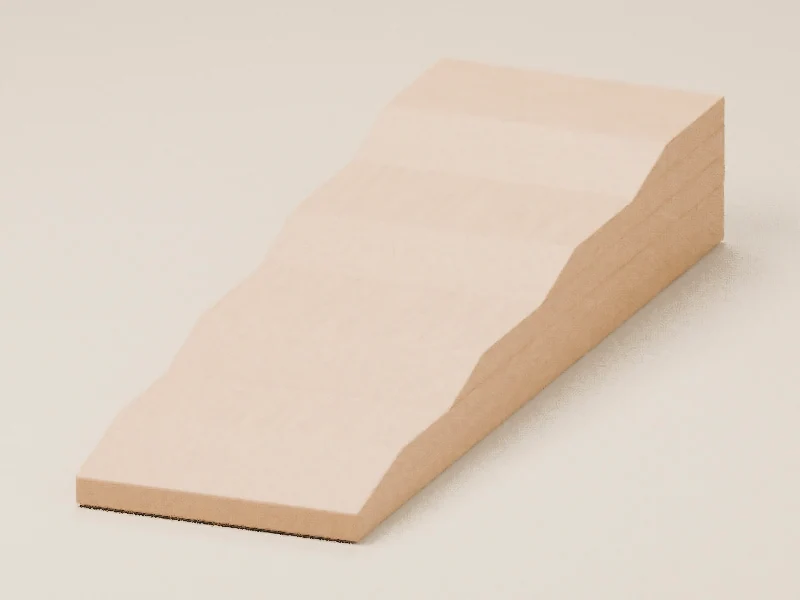
Measure the gap under an ordinary interior door, then shape a scrap wood wedge with four shallow ramps. A thin pad accounts for floor contact.

Entryway
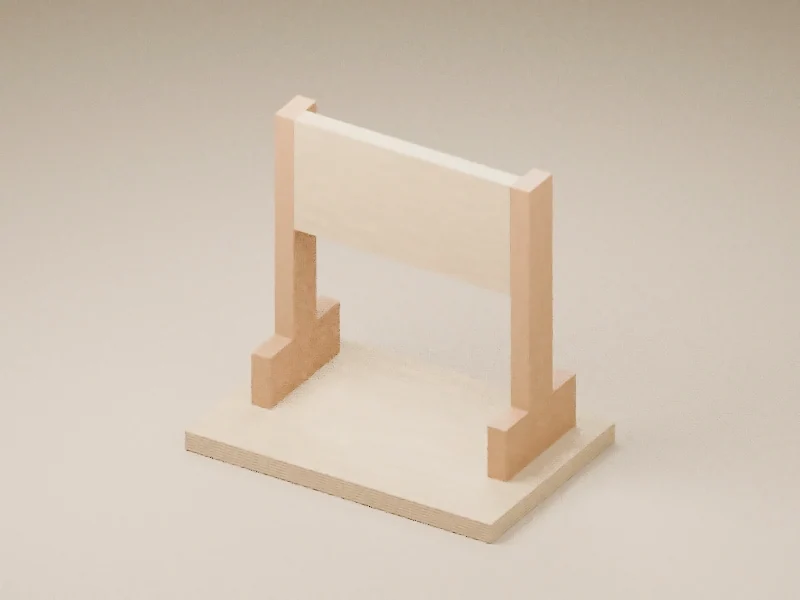
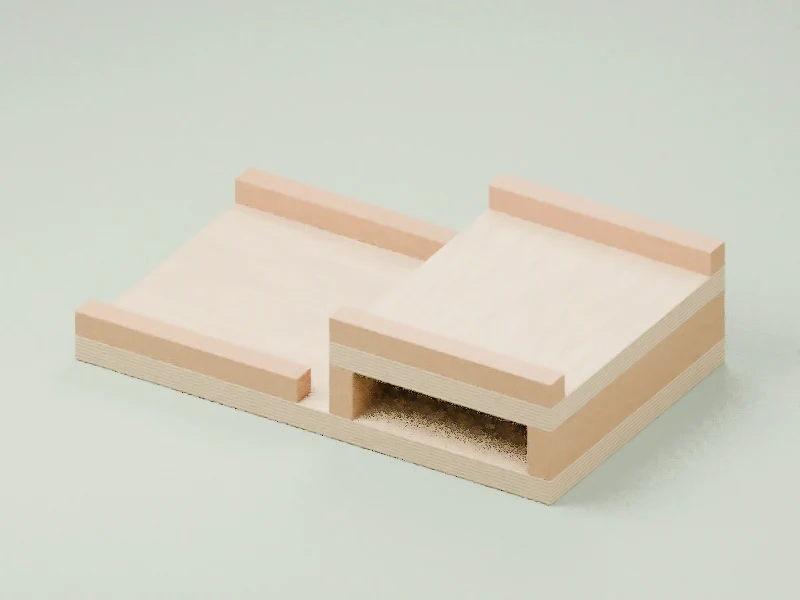
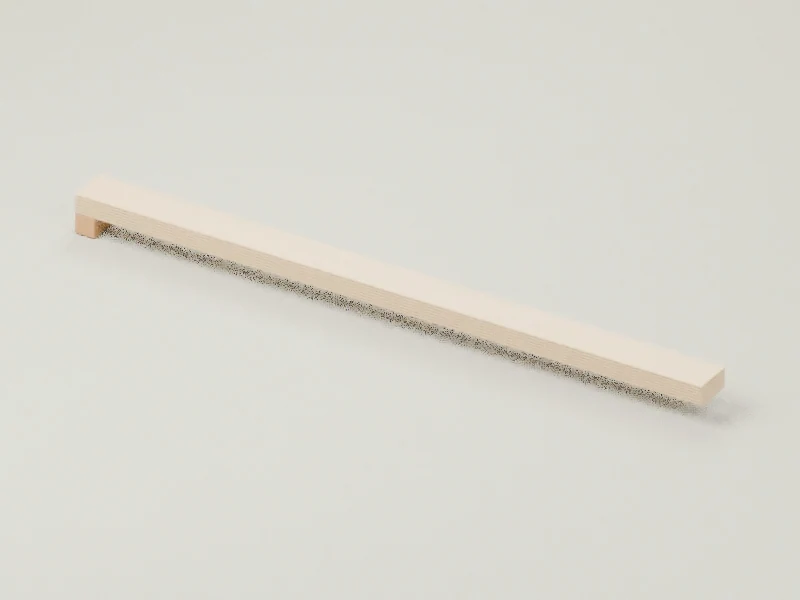
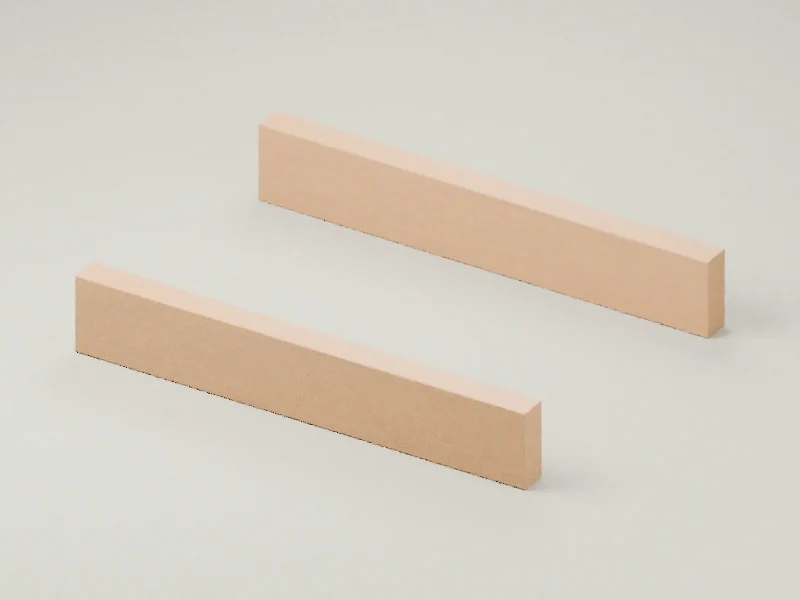
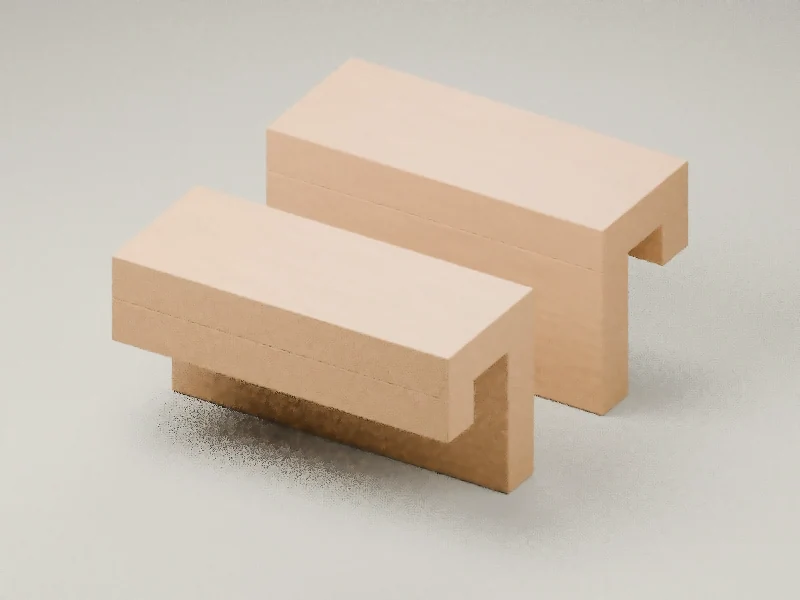
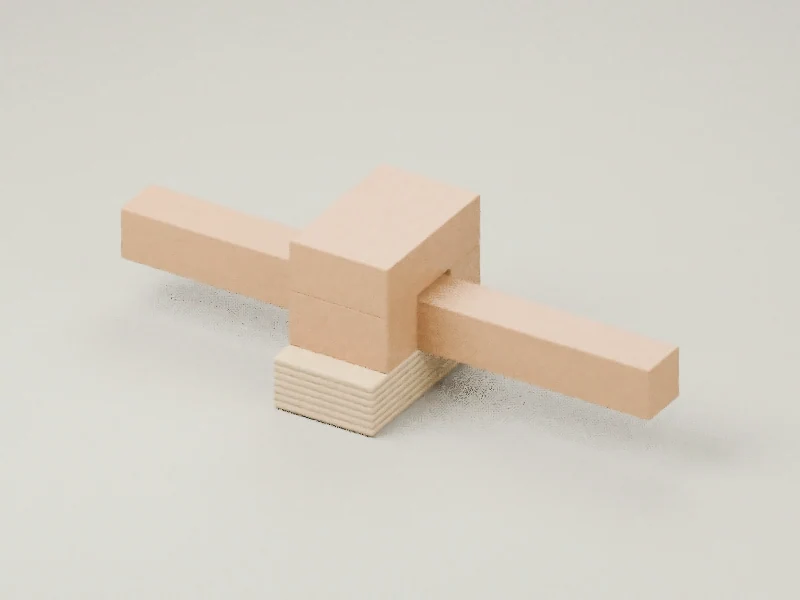
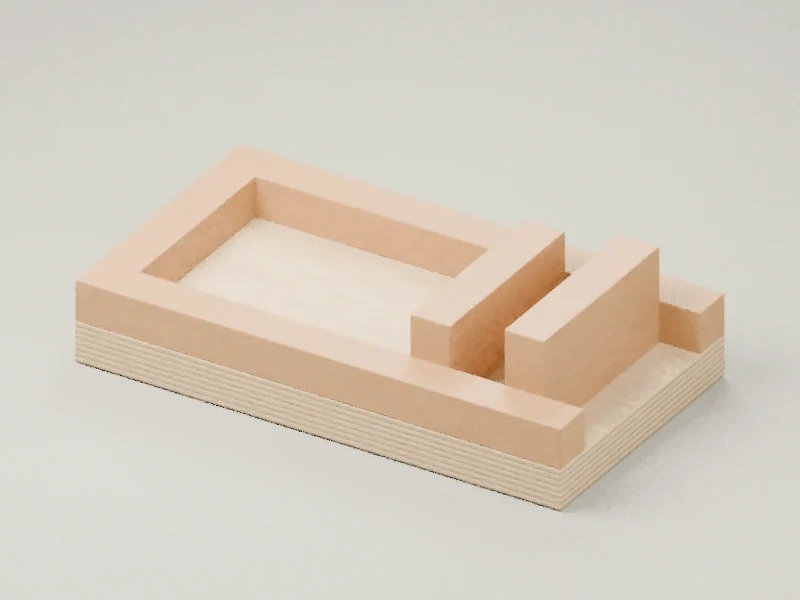
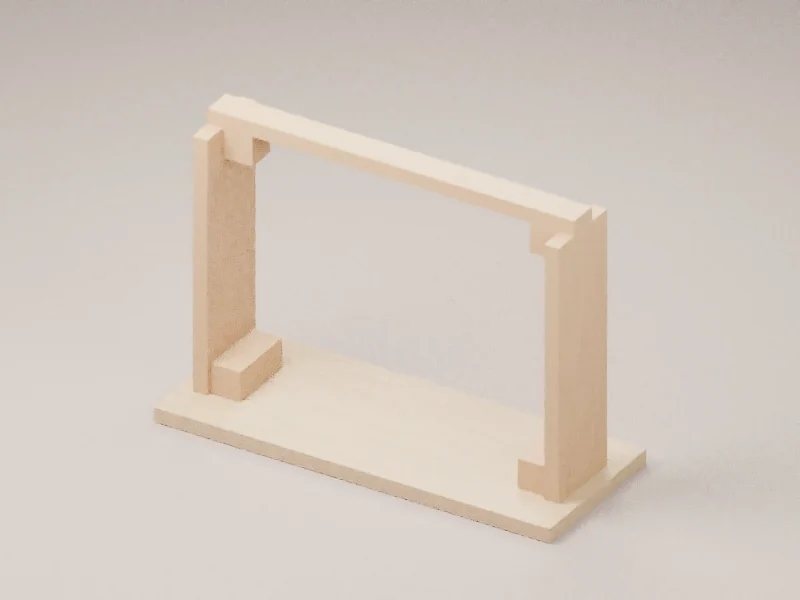
Build a boot puller with two square-cut jaws. Test a scrap opening against your boot so it clears the upper and catches the heel ledge from a seat.

Entryway
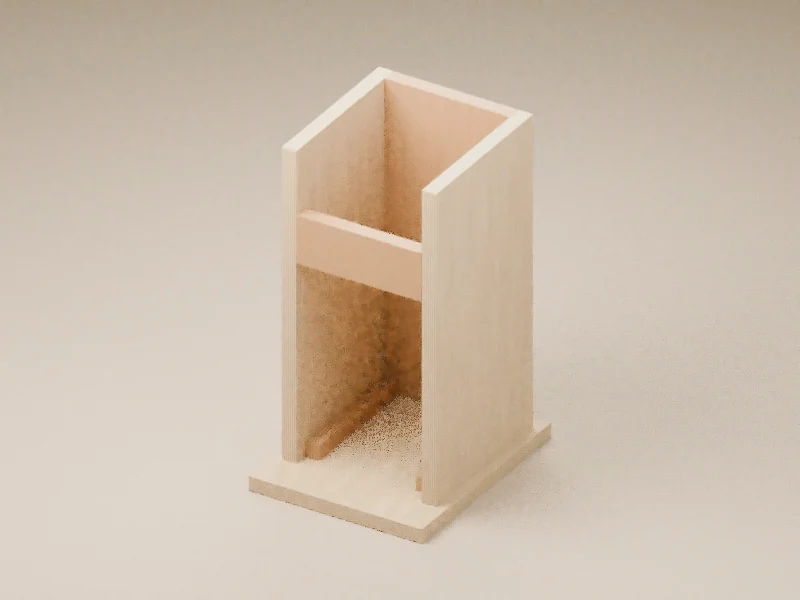
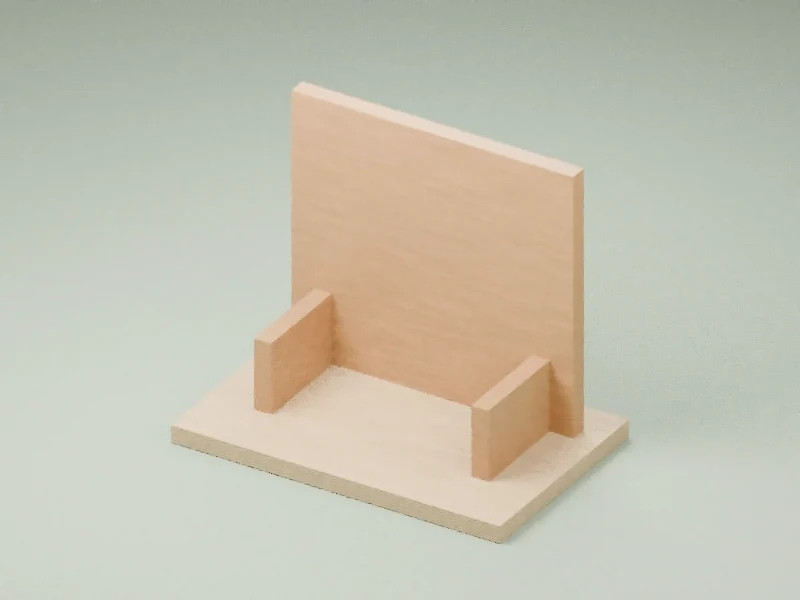
Build a freestanding stand for umbrellas with a 9 × 11-inch footprint. Size the front opening so you can slide out the drip cup without moving it.

Entryway
Make a tabletop spot for leashes and a folded harness without drilling into a wall. Size the hook height to a coiled leash and its clip.

Entryway
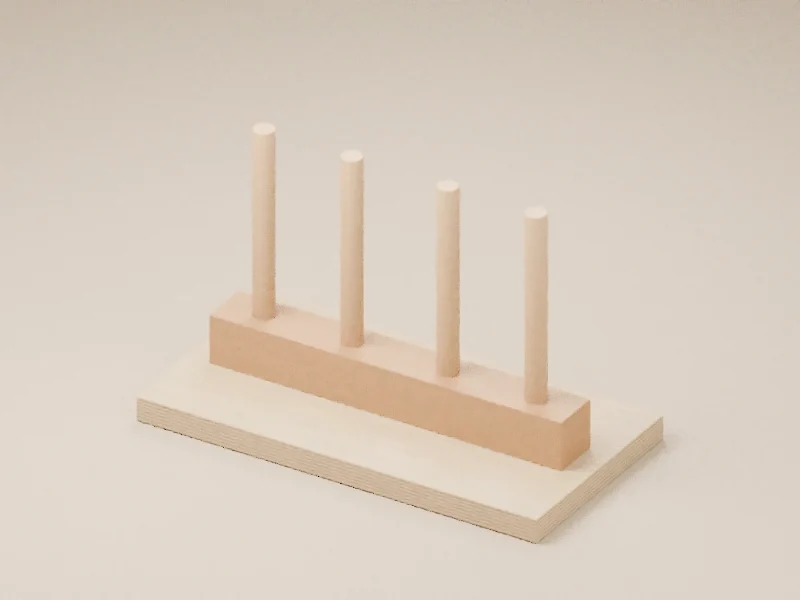
Build a countertop mitten rack with four rounded dowels. Check the widest pair before drilling and set the rack in a tray wide enough to catch drips.

Entryway
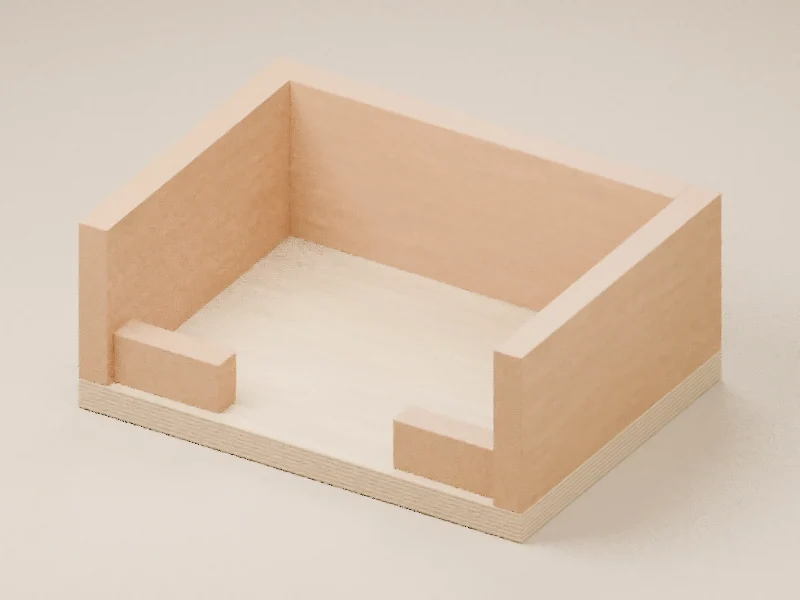
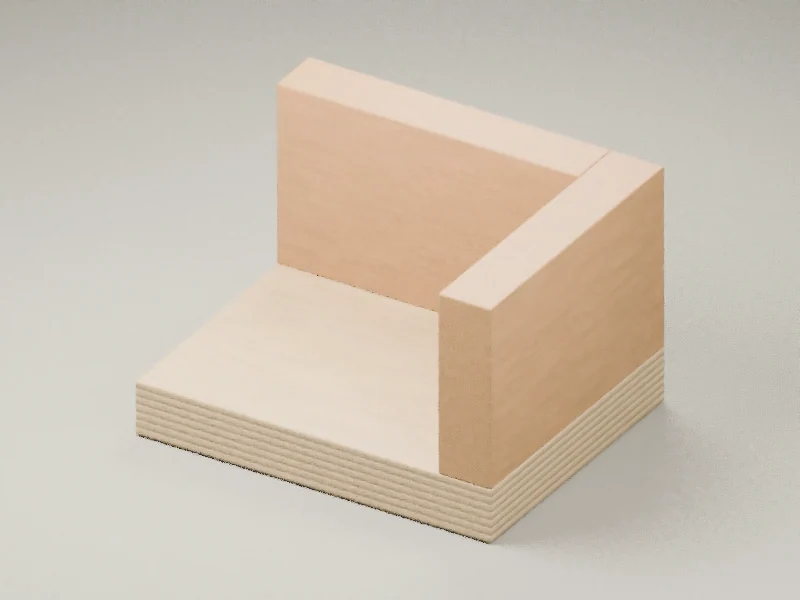
Build a wooden caddy for folded grocery bags. Fit the floor to your actual stack and space two low stops to leave a 4½-inch front hand opening.

Entryway
Build a low wooden holder for brushing shoes by hand. Fit the pocket to the brush base and use a lift tab to pull the brush out for replacement.

Desk
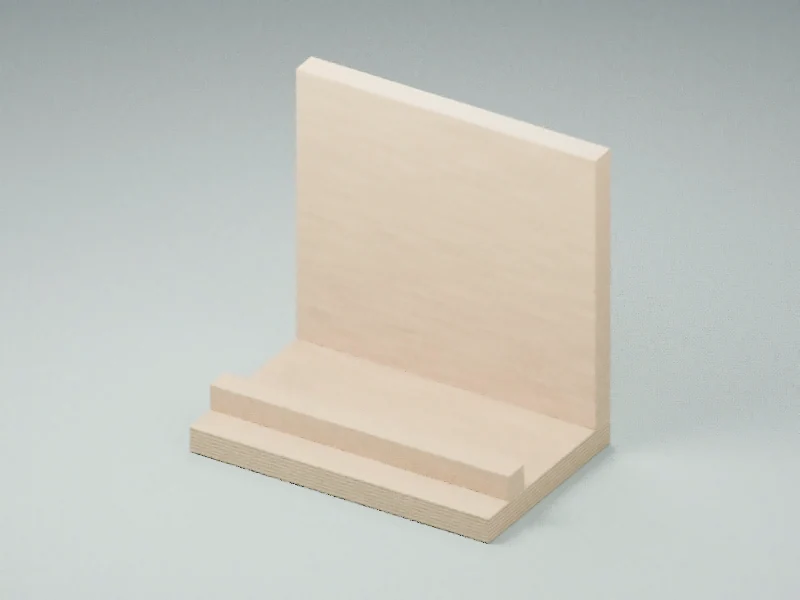
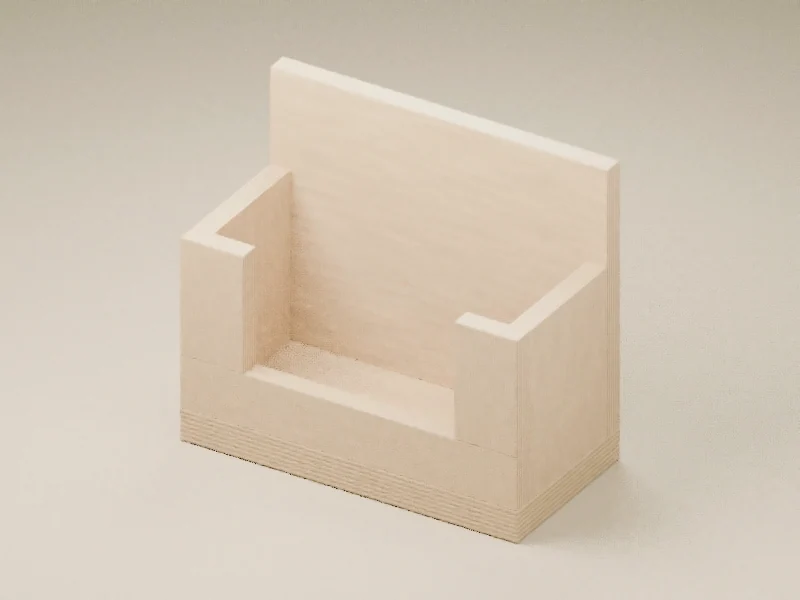
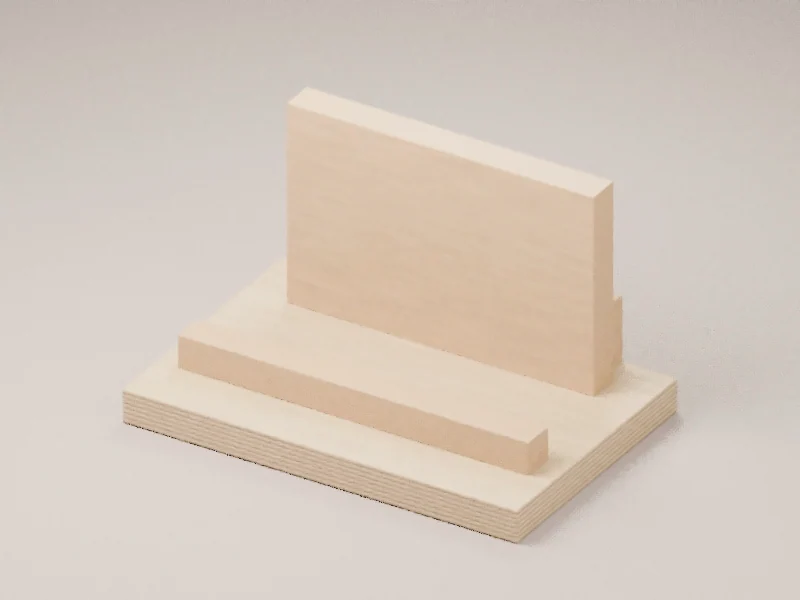
Build a 9-inch birch book stand with a straight back and low front stop. Dry-fit your book before drilling so its weight settles over the base.

Desk
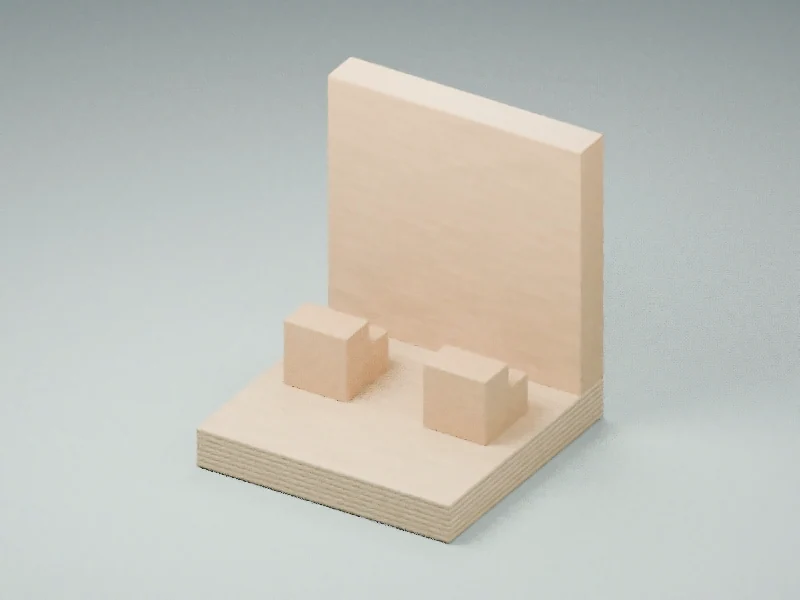
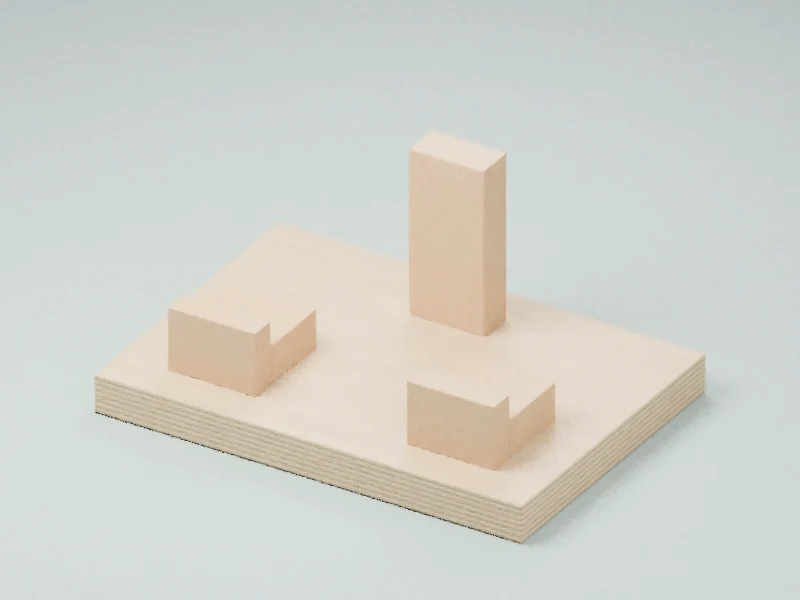
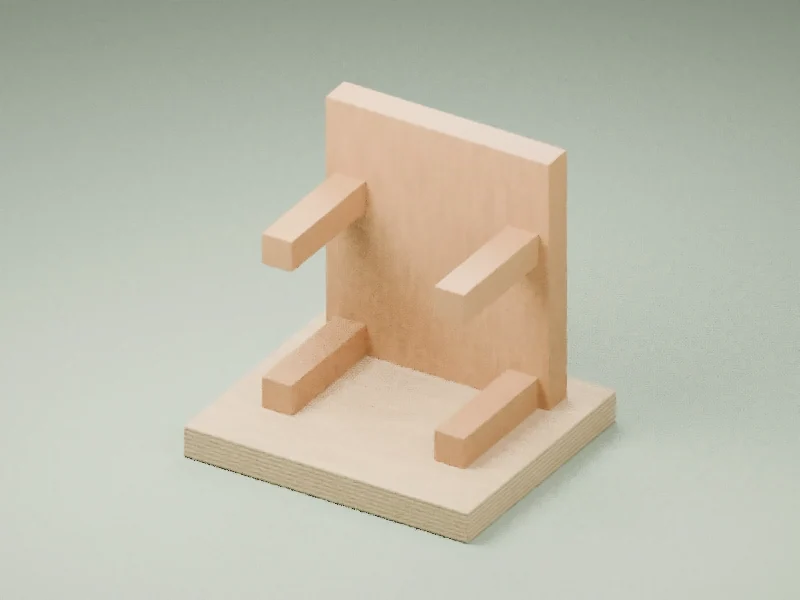
Test your phone with its case and cable attached before sizing the two raised seats. The plan leaves an open gap for a centered charging port.

Desk
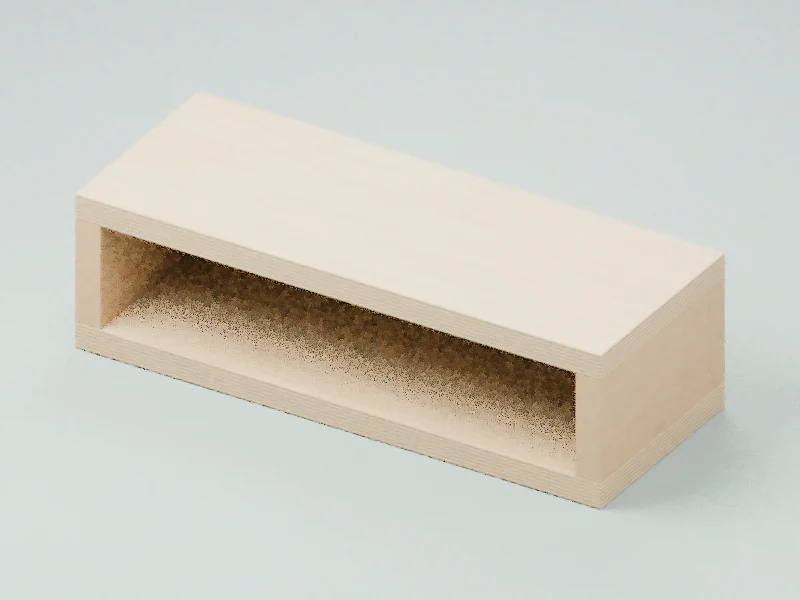
Build a shelf with a 3-inch-high opening for notebooks and light stationery. Check pen loops and tabs, then leave enough cover showing to grab.

Desk
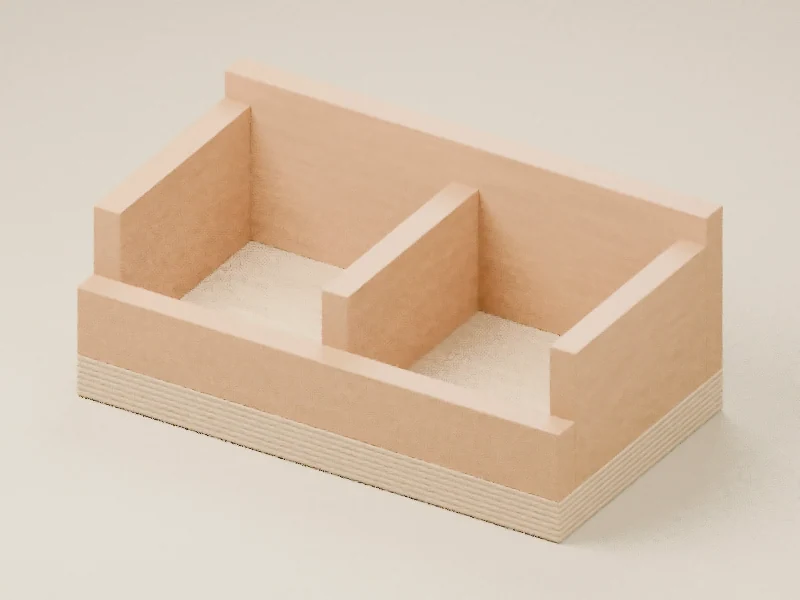
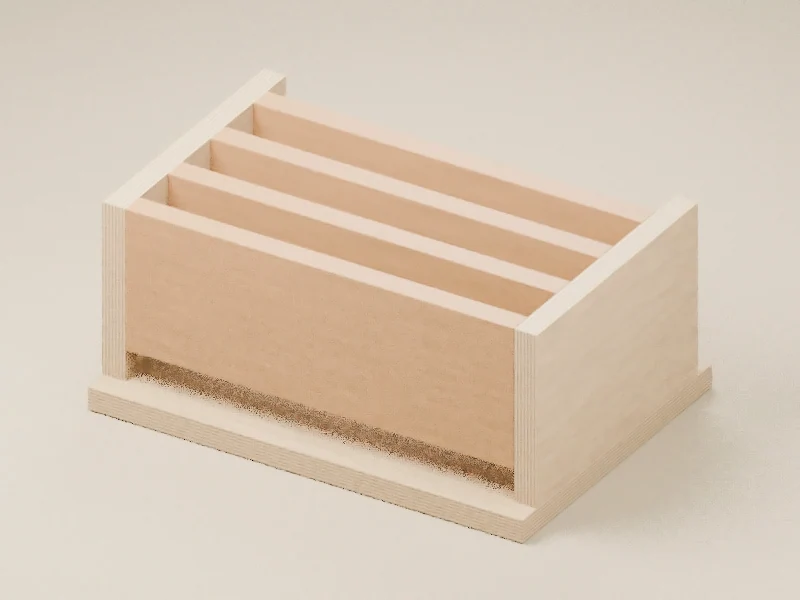
Make a desktop file with a low edge for thumbing through cards. Two sets of keeper strips hold the divider so you can pull it straight out.

Desk
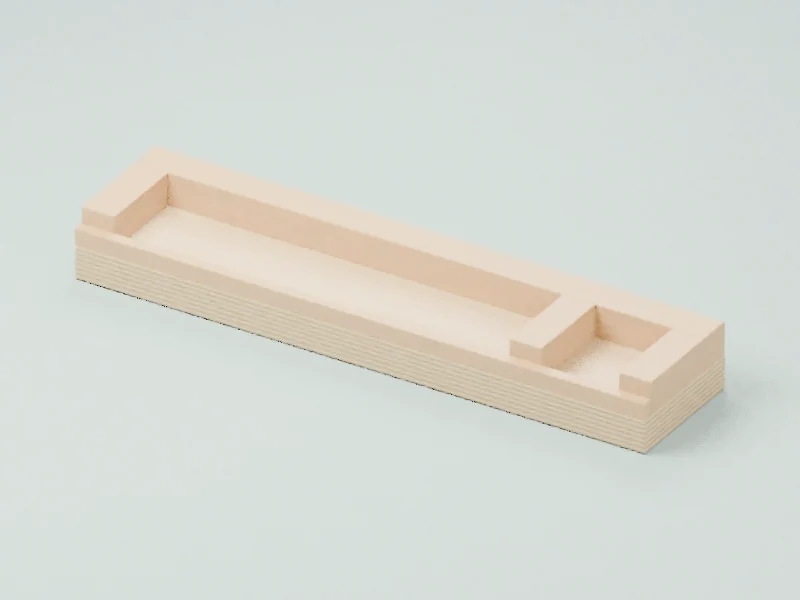
Build a 13-inch desk rail with a long pencil bay and a separate eraser pocket. Test the front lip against a round pencil before adding a liner.

Desk
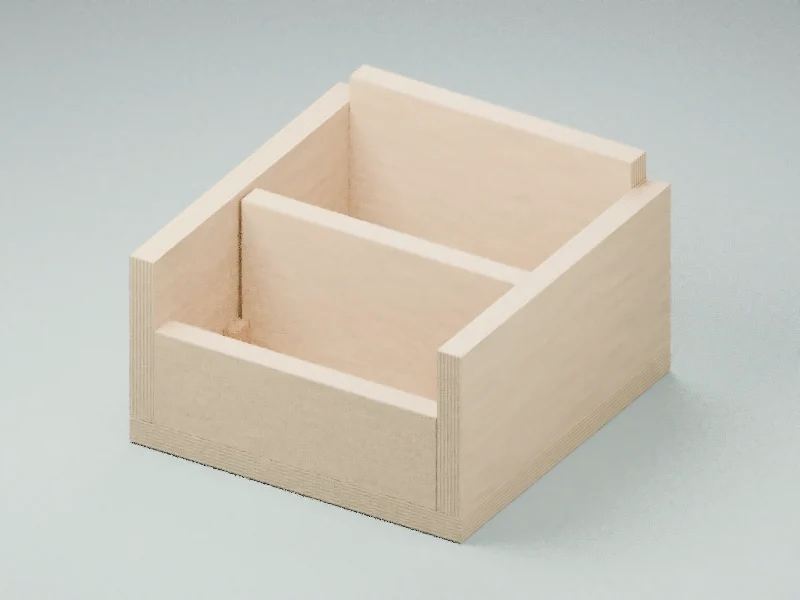
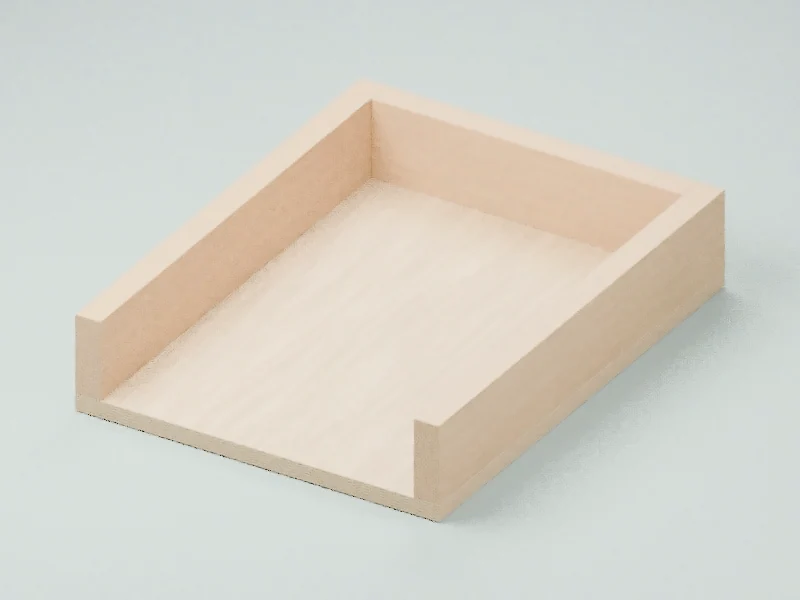
Build a paper tray with 9 inches of inside width and an open front, so US Letter sheets slide straight out. Size up from your widest folder.

Desk
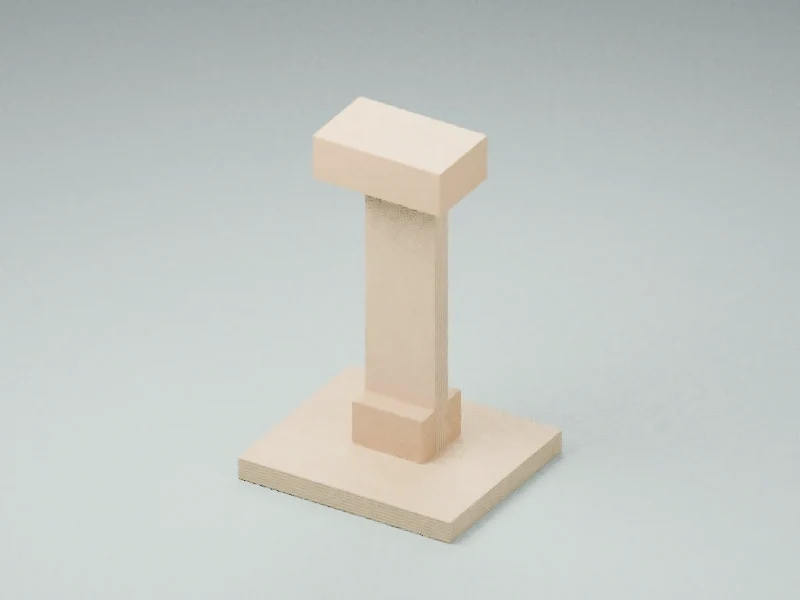
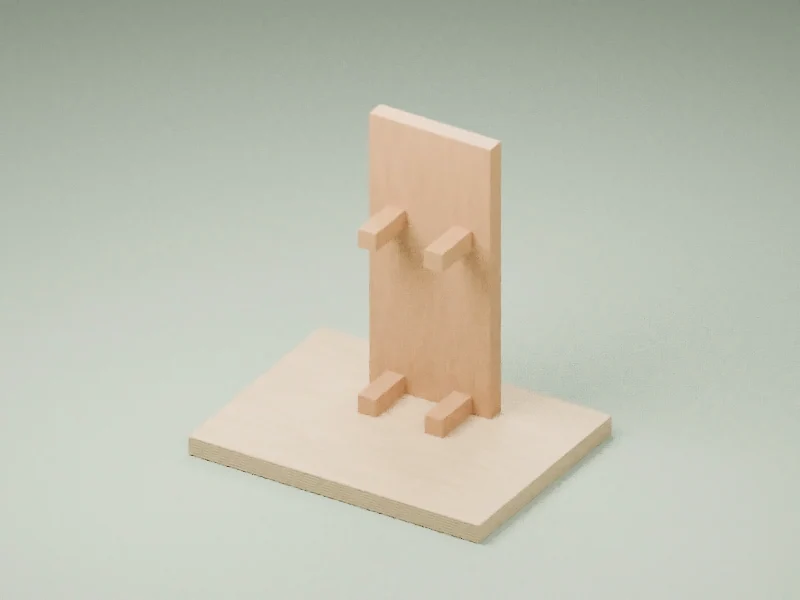
Build an 11½-inch freestanding headphone rest. Mark where your headband touches the saddle and check how low the cups and plug hang.

Desk
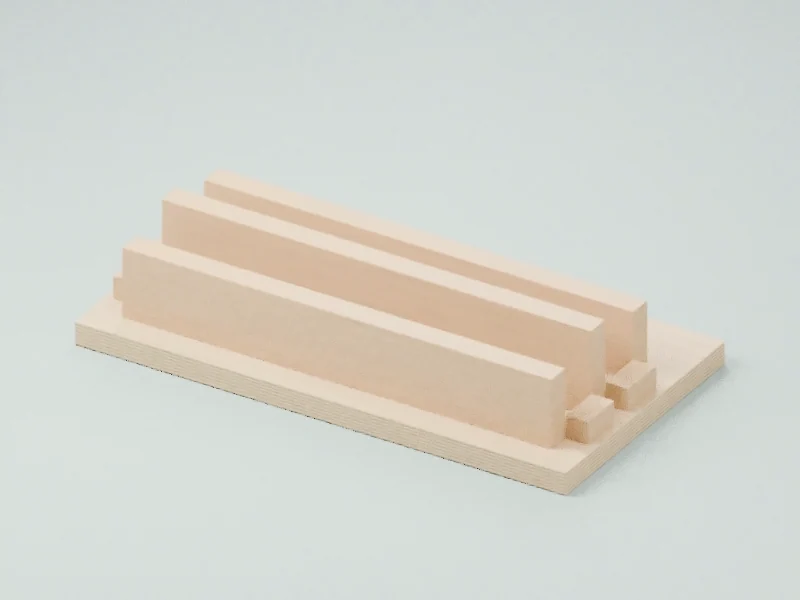
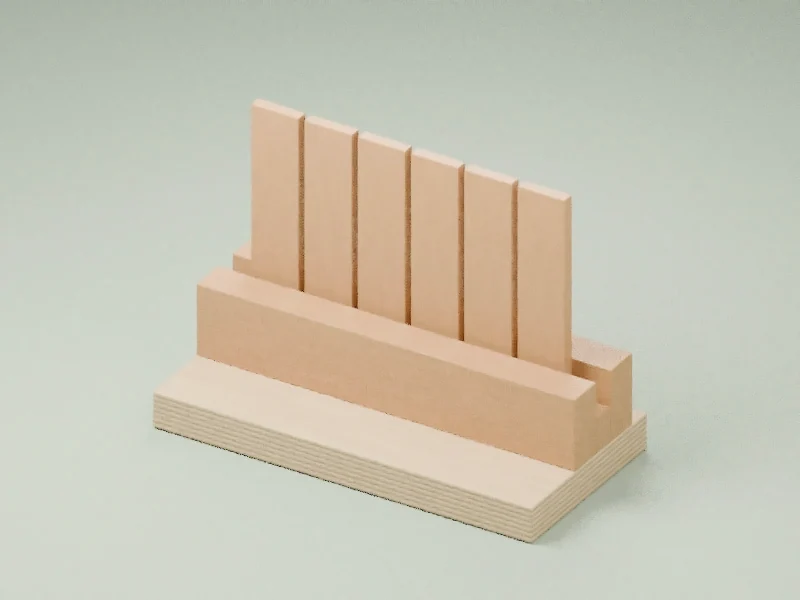
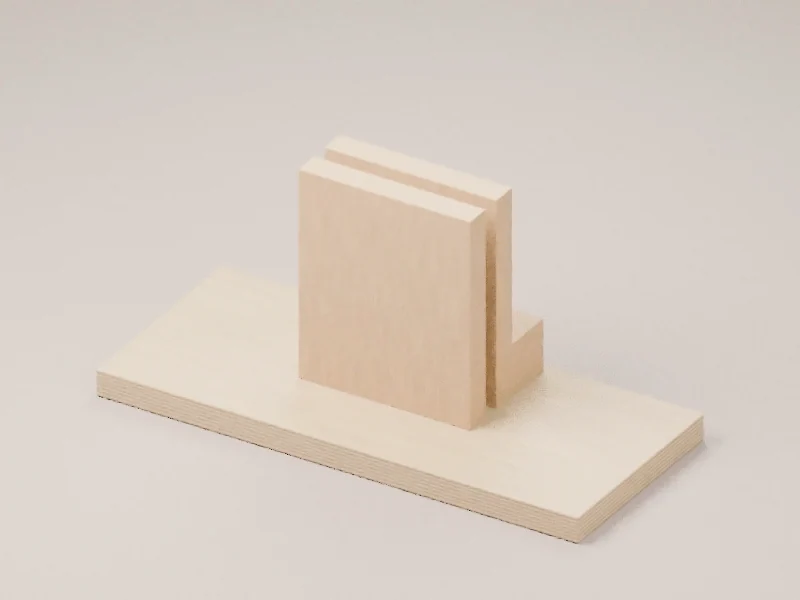
Display a tall postcard behind a shorter one in a pair of narrow slots. Make a full-length spacer to keep both slots even as the rails are glued.

Desk
Make a three-bin insert that clears the drawer opening. A cardboard base with two scrap blocks lets you try the whole lift path before cutting.

Desk
Park unplugged cords and adapters in four open bays. Check the molded plug ends against a mock-up, and shift one divider if a transformer needs more room.

Desk
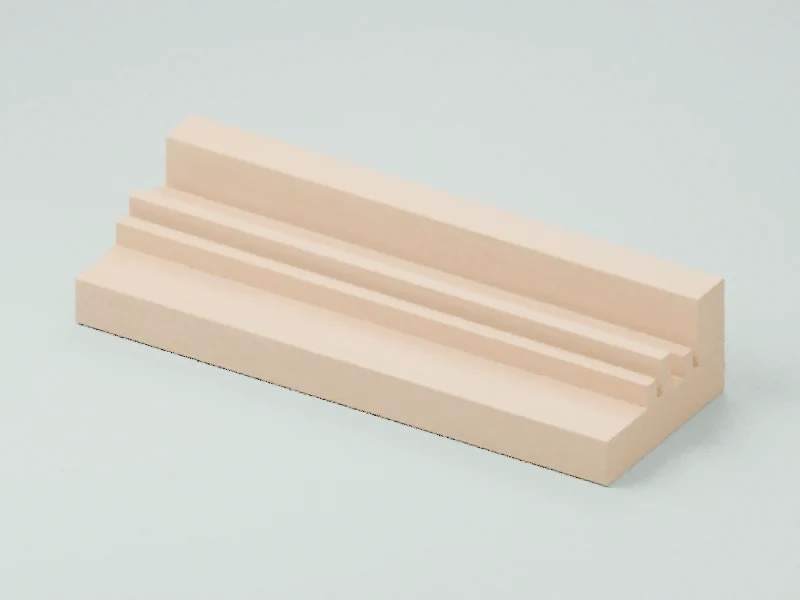
Build a stand for a closed laptop with square cuts. Fit the 1-inch slot to your laptop and case, or drop in a spacer to narrow it to ¾ inch.

Desk
Make a wooden display for your now-playing record jacket. Size the 1⅛-inch pocket around the gatefold and its outer sleeve before fixing the front tabs.

Desk
Flip through LP jackets from the front of this 14¾-inch-wide wooden bin. Test your widest sleeve, then choose where the removable divider should sit.

Desk
Build a freestanding rack for hanging folders. Check the hooks against 13¼-inch rail centers and test that the hanging folder clears the base and screws.
Desk
Make a wooden drawer insert for four cassette cases. Check the tallest case against the drawer opening and leave a thumb gap to lift cases out.

Desk
Build a low wooden overhead stand to scan small prints with your phone. Check focus and fit the camera opening before cutting the phone keepers.

Desk
Park two unplugged keyboards upright in different-width slots. Measure the cases with the feet folded and give the keycaps room to clear each rail.

Desk
Fit the two wooden supports to the grips of your game controller. A folded-paper test helps you keep weight off triggers, thumbsticks, and ports.

Pantry
Stand wrapped tea bags on end so their labels stay visible. Two scrap spacers set the divider parallel while you check clearance for the wrappers.

Pantry
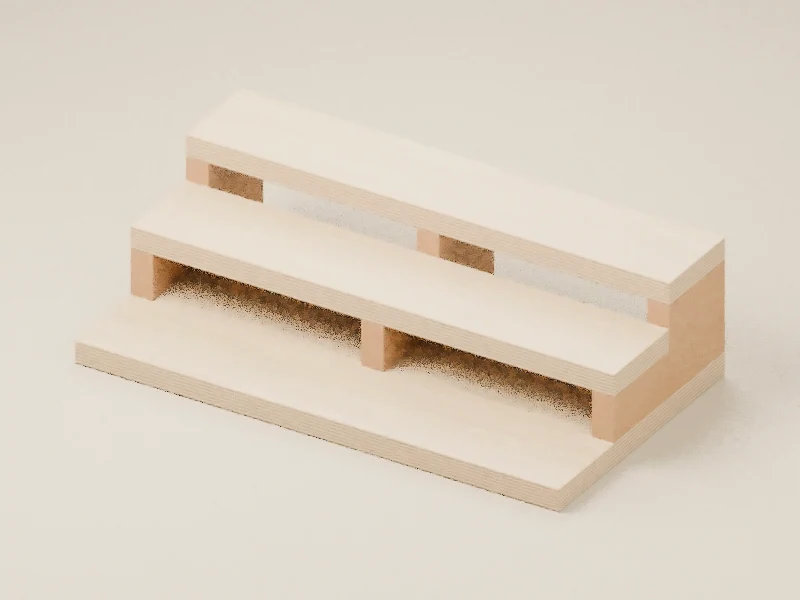
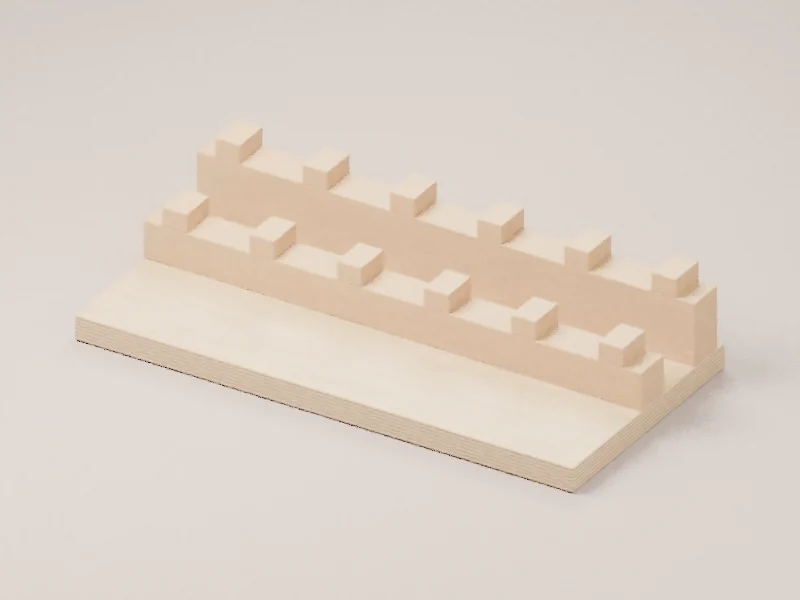
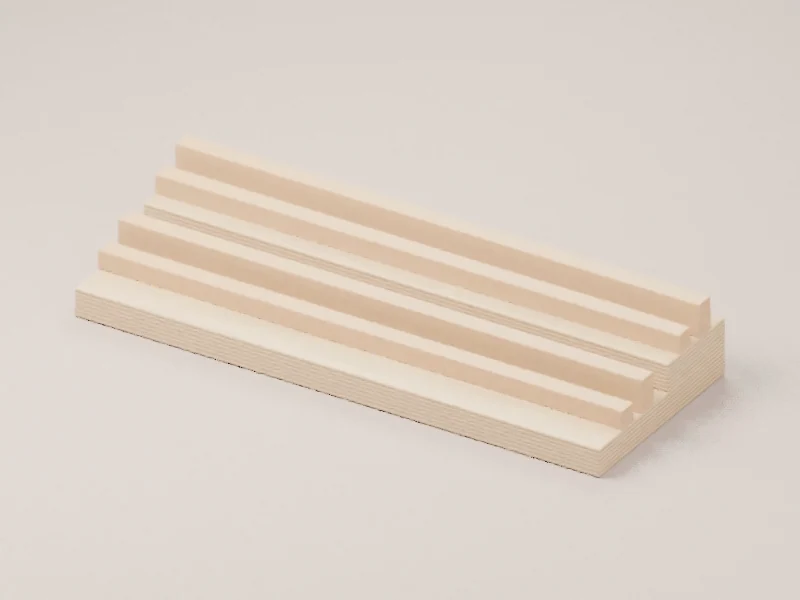
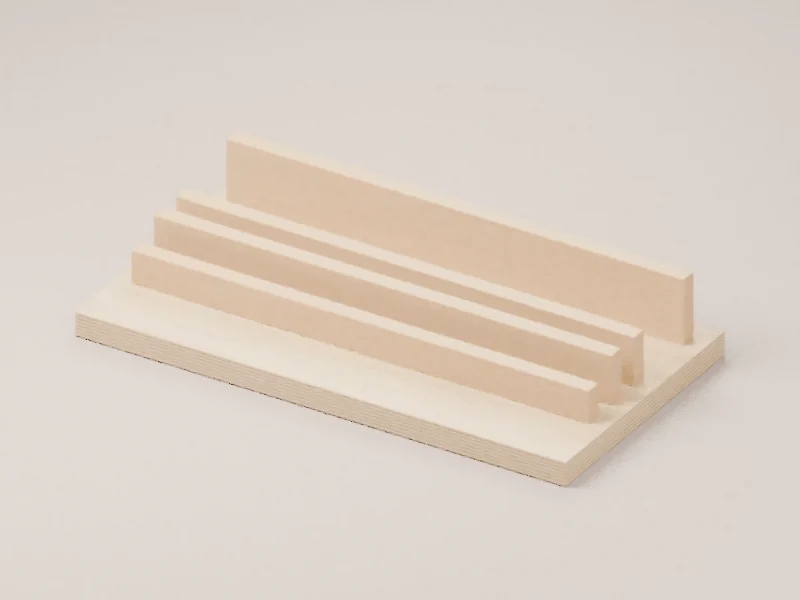
Build a 16-inch spice stand with three 3-inch-deep treads. Mock up the rear tier to check whether your tallest jar lifts past the cabinet above.
Pantry
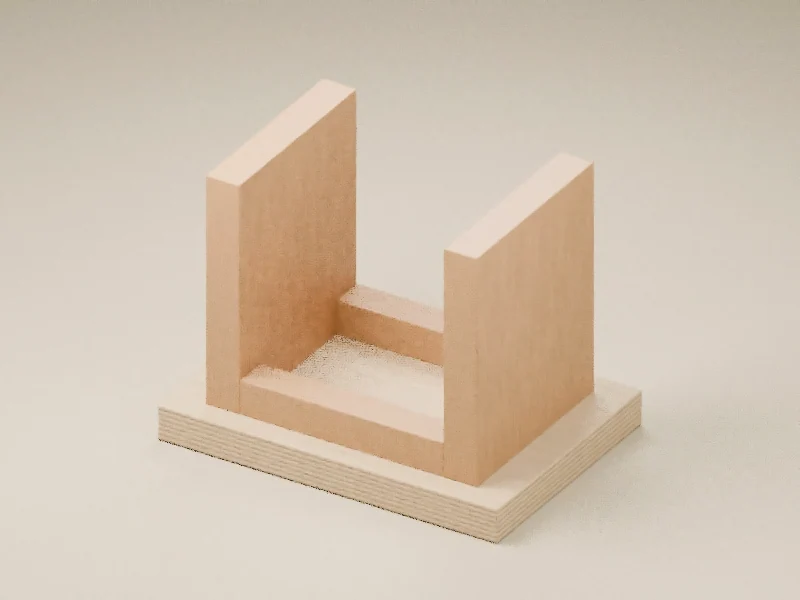
Build a dry-paper holder with a low front sill. Try your stack between the cheeks so one coffee filter can lift free without catching a corner.

Pantry
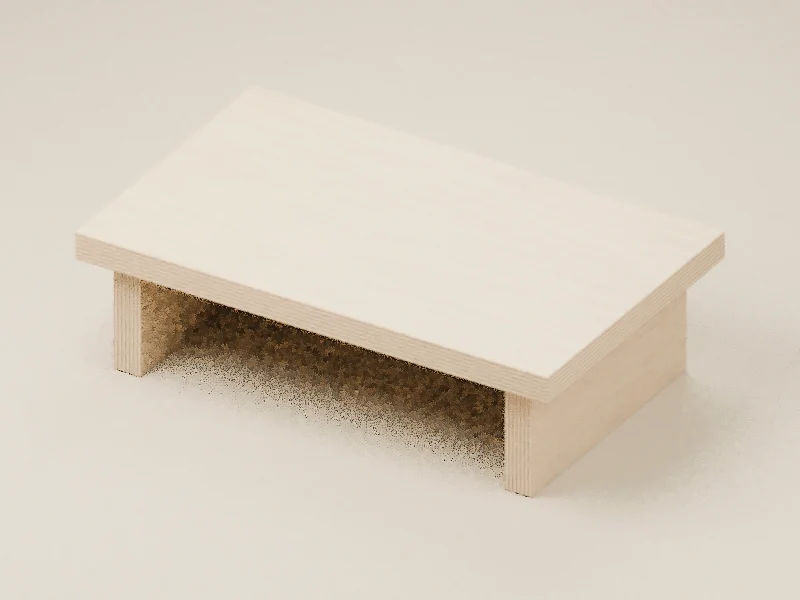
Raise your mugs on a 13 × 8-inch plywood deck and slide saucers below. Try the tallest mug on a mock riser before setting the height.

Pantry
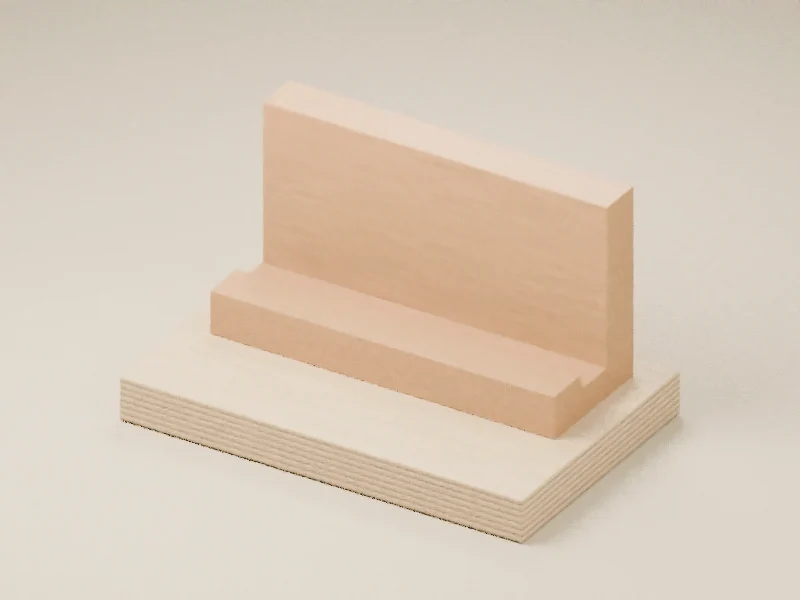
Build a leaning stand with a 6-inch ledge and a slim stop that leaves the last line readable. Check your thickest card or sleeve before gluing.

Pantry
Fold the cloth napkins you use and size the opening from the thickest seam. Low front rails leave the folds within reach so you can take one at a time.

Pantry
Store dry woven or flexible placemats on edge in two freestanding bays. Check the 18-inch pocket depth and overhead clearance before cutting.

Pantry
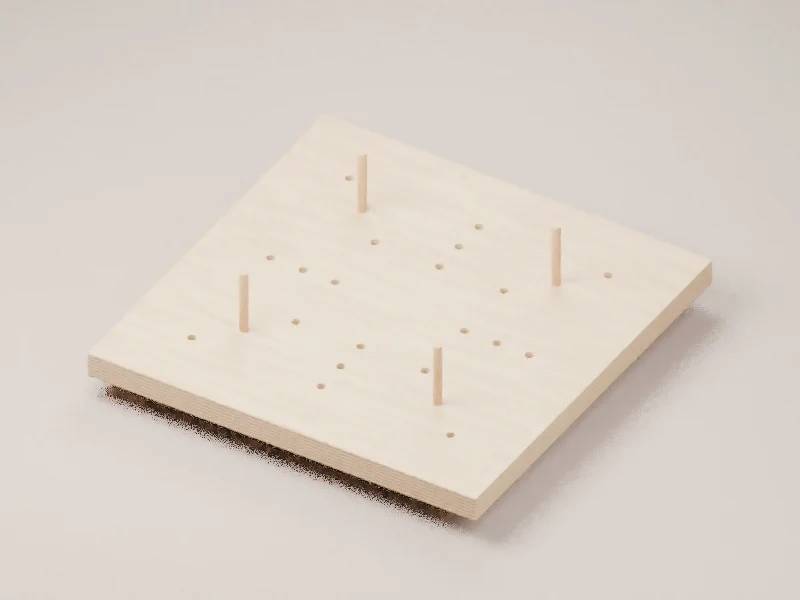
Build a cabinet lid rack with removable pegs and a measured hole grid. Fit the lane around the widest knob and test removal under the next shelf.

Pantry
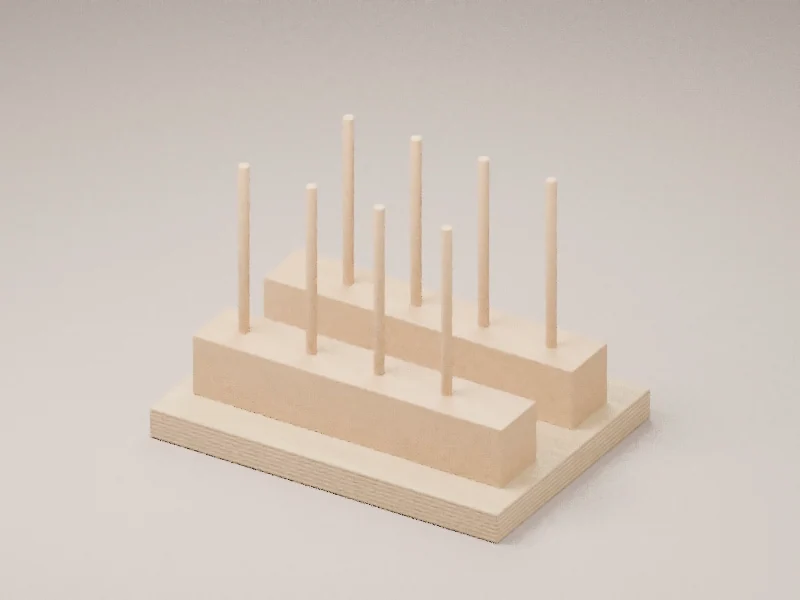
Make a countertop rack to hold two silicone bags open as they dry. Check each opening against the peg pairs and slide out the tray to empty drips.

Pantry
Build a 12-inch wooden carrier with two wells for salt and pepper mills. Measure each mill’s refill collar and test tall grinders before carrying.

Pantry
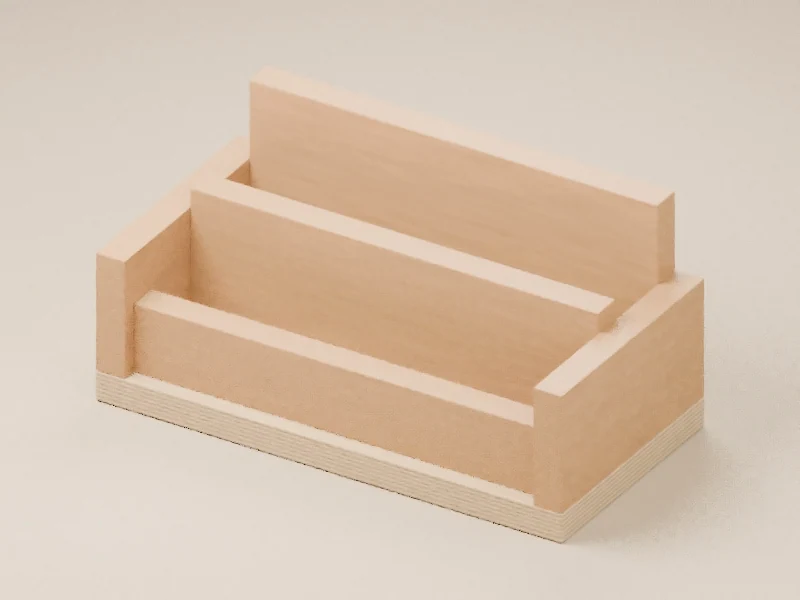
Build a three-lane cupboard rack for empty reusable water bottles. Check that cap handles fit and that the longest bottle lifts over the front stop.

Pantry
Build a 12 × 10-inch open-top wooden rack for pantry cans. Measure the rolled rims, load from the back, and advance each lane by hand.

Pantry
Build a countertop rack for dry plates. Test the thickest rim between two pegs and measure for a catch tray that slides between the risers.

Pantry
Make an open-front wooden shelf for foil and wrap cartons. Measure the folded box ends and check the lower opening where shelf supports narrow it.

Pantry
Build a three-slot wooden cutting board rack with a slide-out liner. Measure the board feet and test the lift under a cabinet before cutting.

Pantry
Build a 7-inch-square tamping dock with replaceable pads. Fit the wooden sides to the portafilter head so the handle stays level and the spout clears.

Plants
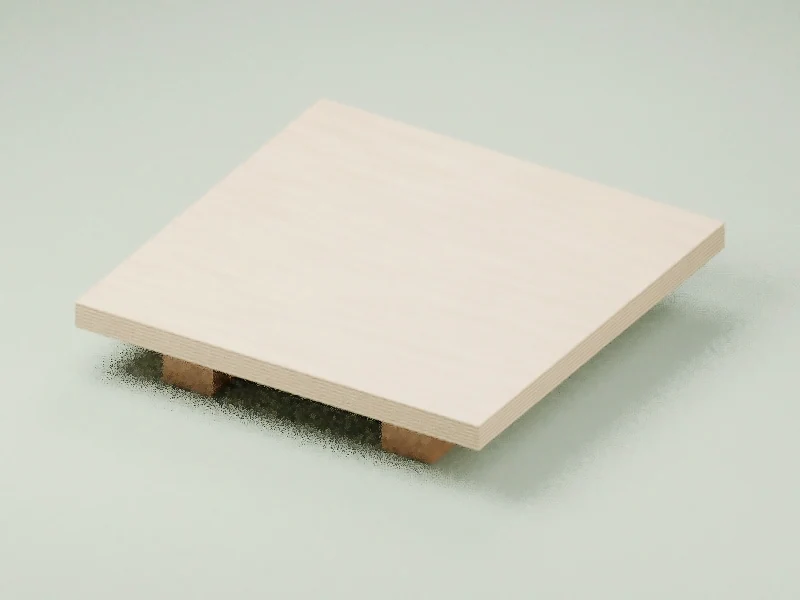
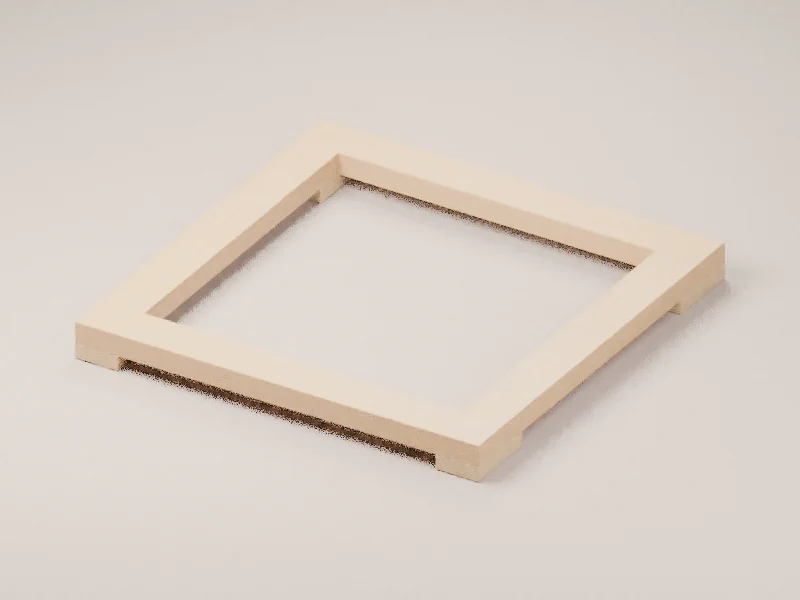
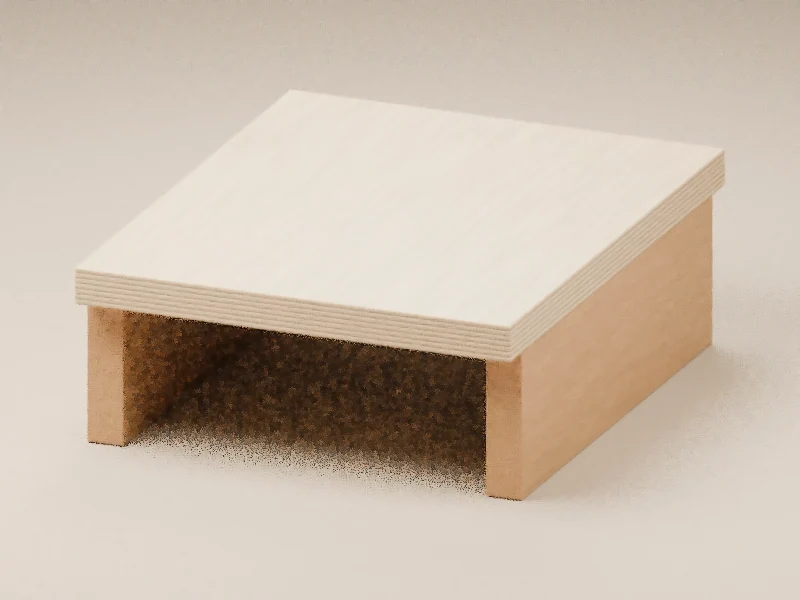
Raise a small indoor pot on two recessed runners. The 12-inch square top takes a separate saucer, with the screws installed from underneath.

Plants
Build three separate bays for short propagation bottles. Fit each bottle in its lift-out liner and leave room above to remove the cutting with it.

Plants
Brush loose soil straight into a catch pan. This 16 × 10-inch tray has three raised sides and a removable liner trimmed flush at the front.

Plants
Keep seed envelopes upright in two 6½-inch-wide pockets. Lift out the dividers as your batches change and raise short packets on labeled cards.
Plants
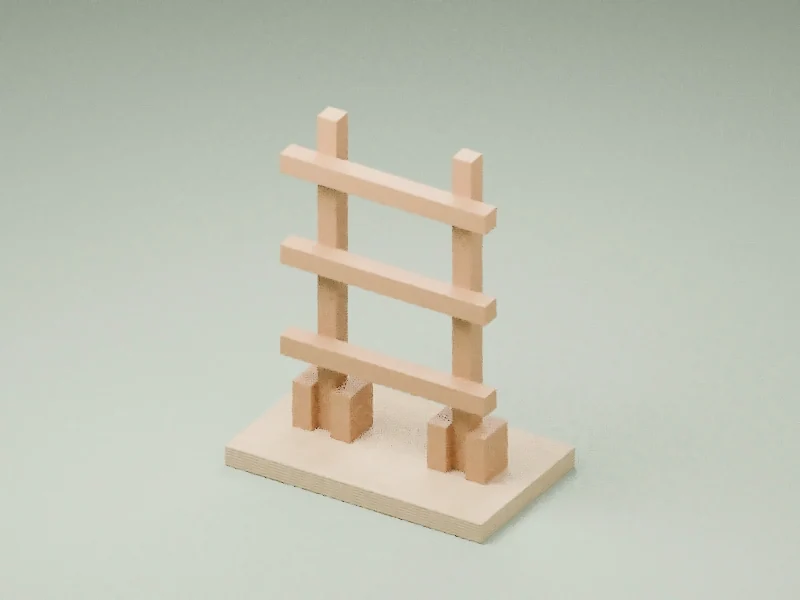
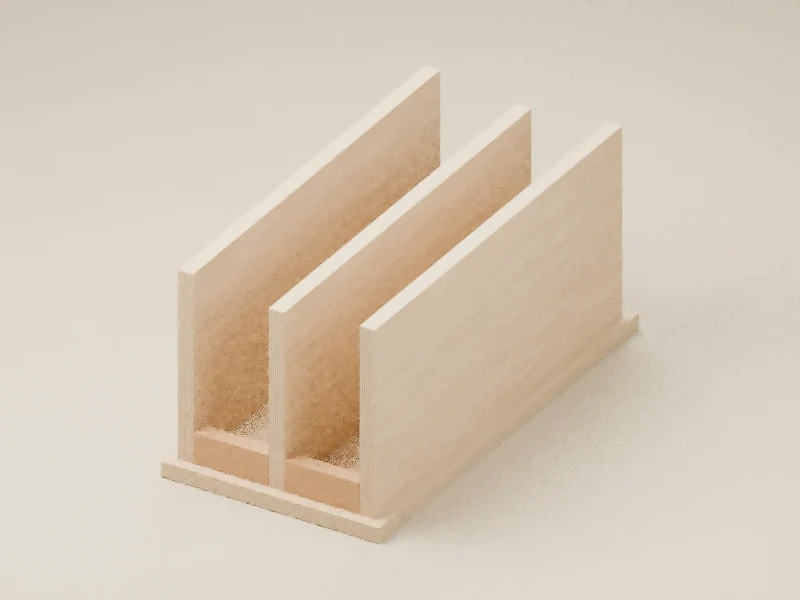
Build a 12¾-inch tabletop trellis that stands beside the pot. Three rungs give light vines a place to climb without staking into the soil.

Plants
Cut six 1 × 5-inch plant markers and build a slotted stand for them. Use a half-inch scrap to check the lane before fitting its end stops.

Plants
Build an open-bottom sleeve that lifts away from the pot. Size the square frame from the widest part of your nursery pot and separate saucer.

Plants
Make a wooden carrier for a plastic 1020 seedling tray. Measure the molded lip and test the finger clearance with the insert and catch tray fitted.

Plants
Build a 7-inch-deep wooden tray for three herb pots with removable saucers. Check sill depth and lift the middle pot with its neighbors in place.
Plants
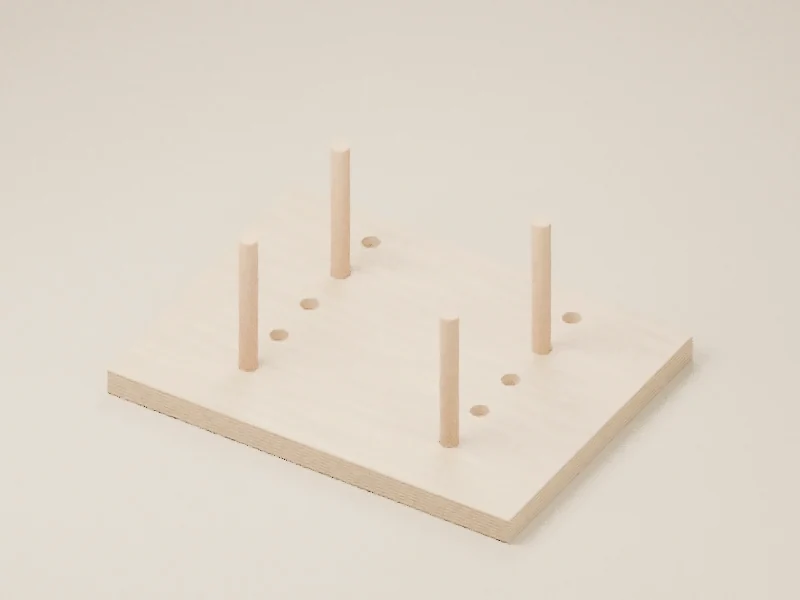
Fit a shallow wooden base to a purchased glass cloche. Check that its rim sits flat in the liner and leave space to lift the liner by hand.

Plants
Build a stepped wooden stand for two bulb-forcing vases. Fit the coasters and check for a two-handed lift with both empty vessels in their places.

Plants
Build an 18 × 11-inch wooden station that keeps fresh orchid bark apart from used mix. Size both bays to the lips of your removable pans.

Plants
Build a braced wooden mount for a compatible clip-on plant light. Test its unconnected clamp on ¾-inch scrap and check space to lift out the tray.
Plants
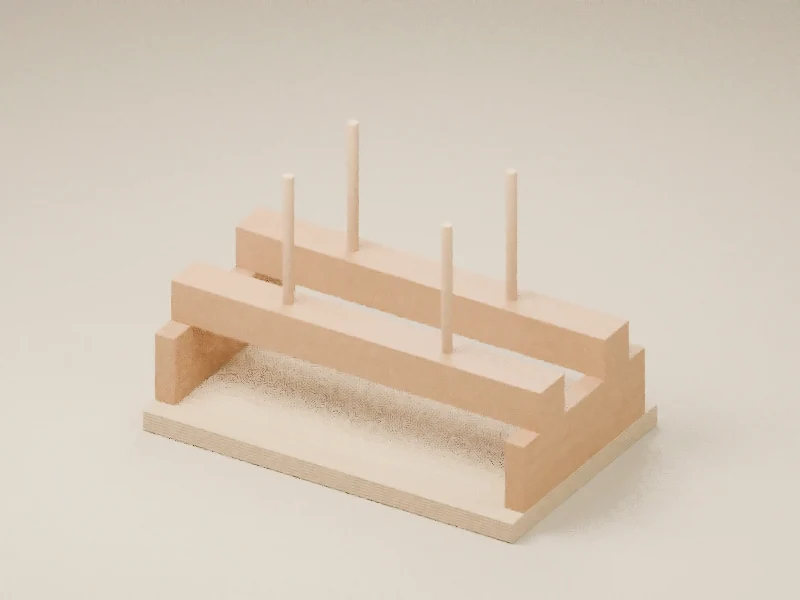
Make a small tabletop fixture that holds a short moss pole while you mark it. Check its diameter at both guides and lift it forward before potting.

Plants
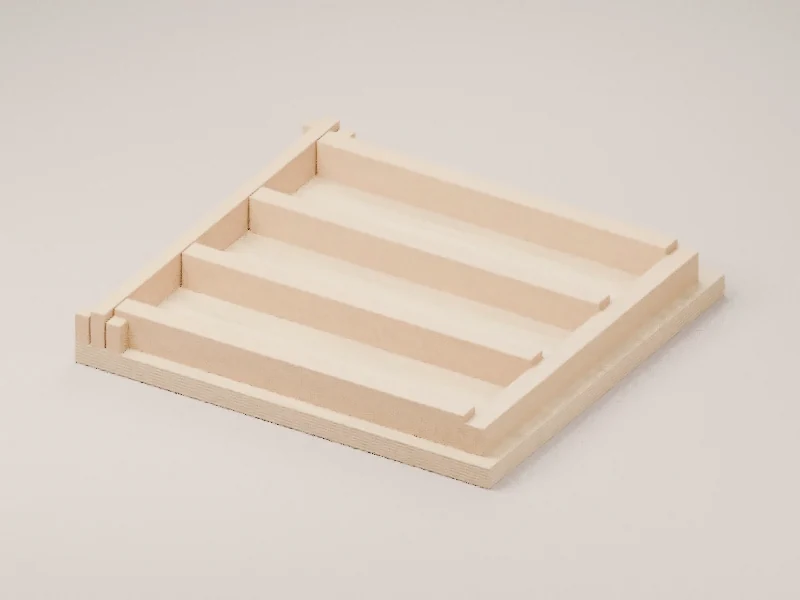
Build a wooden sleeve for one small straight-sided bud vase. Measure the glass along its forward removal path and keep the water line visible.
Workshop
Make a 5½-inch sanding block sized for strips cut from a sheet. Check the hardwood sole for twist before gluing on the cork-topped grip.

Workshop
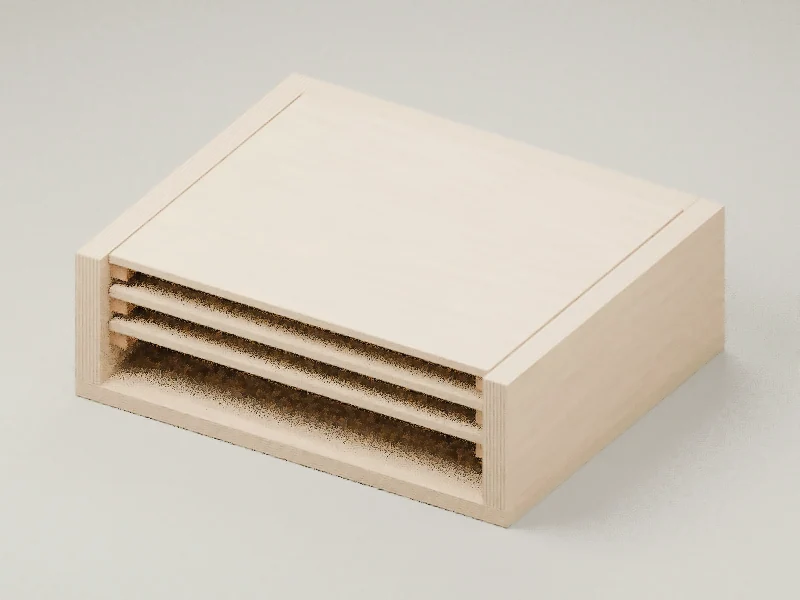
Store full sheets in four levels with slide-out plywood shelves. Trial-fit one loaded shelf in every opening before cutting the rest.

Workshop
Size two unequal bays from your actual wood glue bottles, including the ribs at the feet. The marked layout lets you shift the middle divider.

Workshop
Park a combination square below a raised ledge for rulers up to 12 inches. Use two scraps to test whether the head lifts clear of the upper ledge.

Workshop
Build a story stick for transferring hardware and shelf marks. The stop sets the same zero edge each time, with a two-scrap check for repeatability.

Workshop
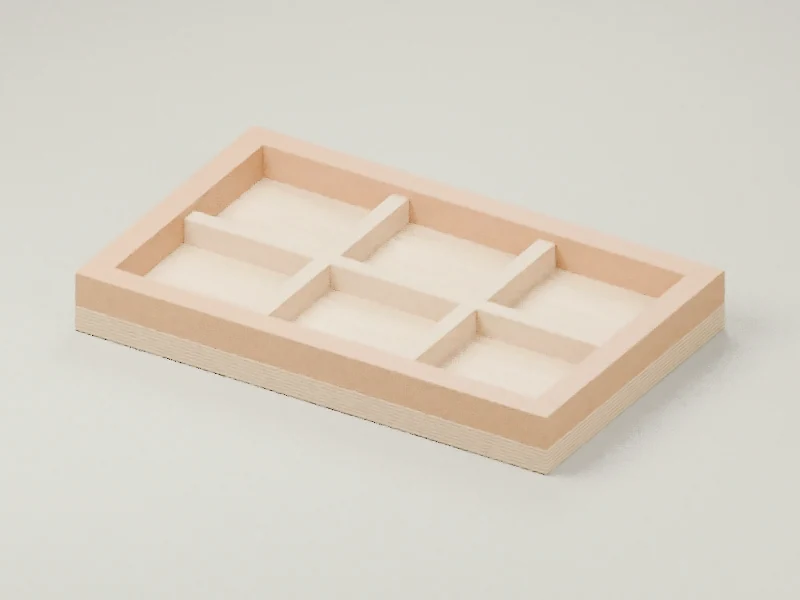
Keep screws, washers, and fittings separated in six shallow 4-inch-wide bays. Add tape handles to the spacers so they lift before the glue sets.

Workshop
Lay out twelve marked seats in an 8-inch hardwood block. Size the holes to the smooth shanks and test the shortest bit on an offcut first.

Workshop
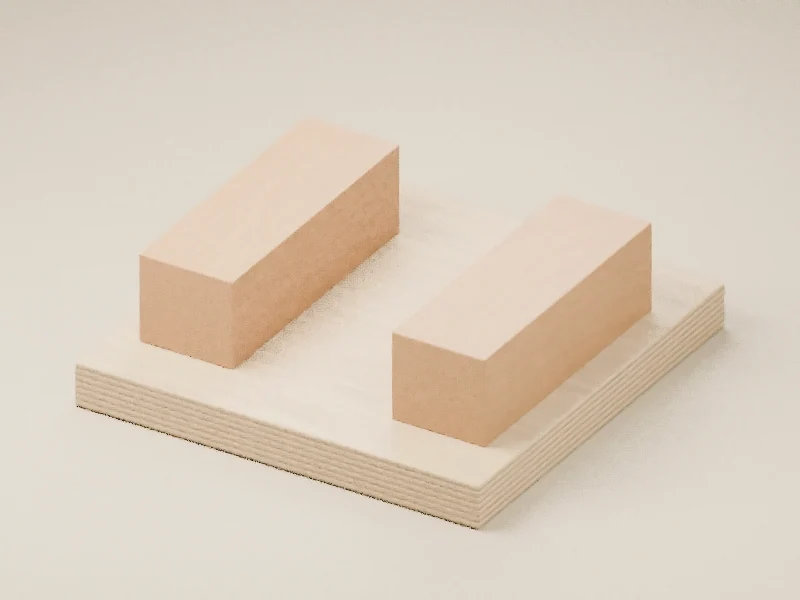
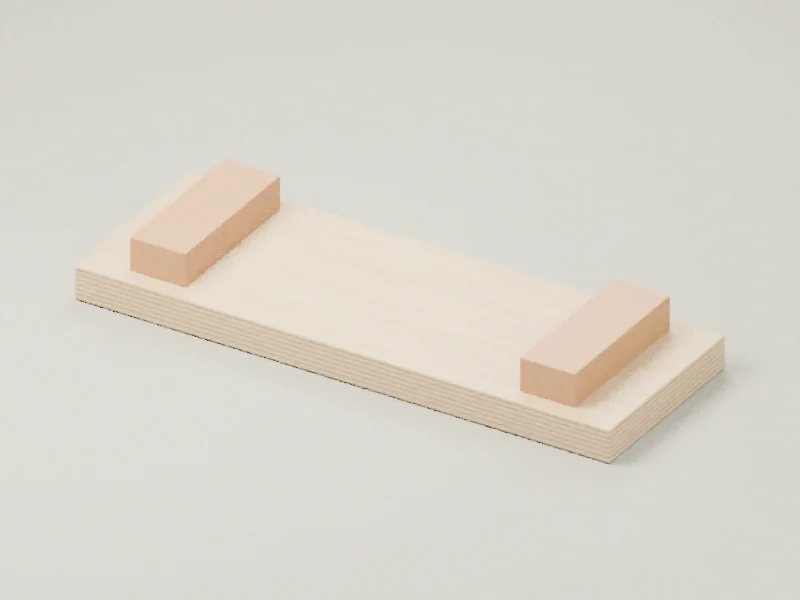
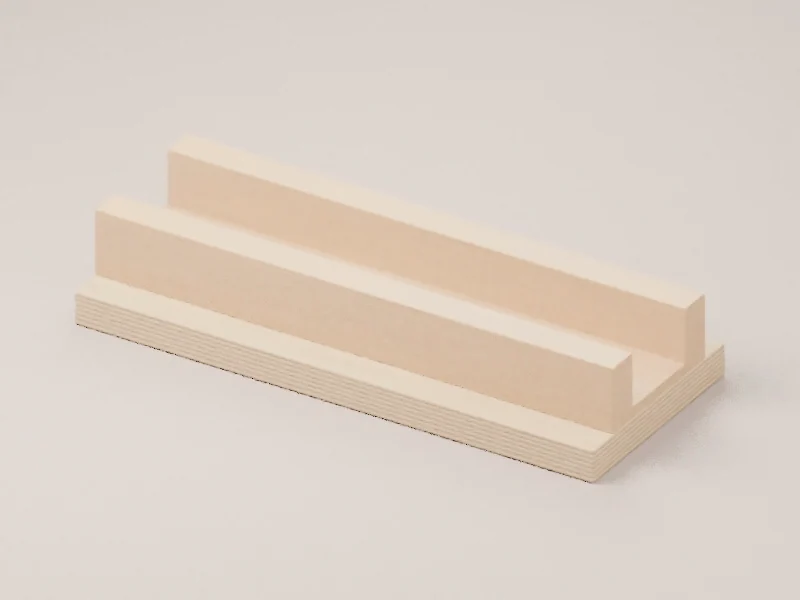
Trace the plane’s sole and both ends of the mouth. Set two raised rails under the flat bearing areas, leaving the entire mouth over the gap.

Workshop
Build a compact bench hook for hand sawing small pieces. Try both mirrored fence layouts against your bench and leave room for both clamps.

Workshop
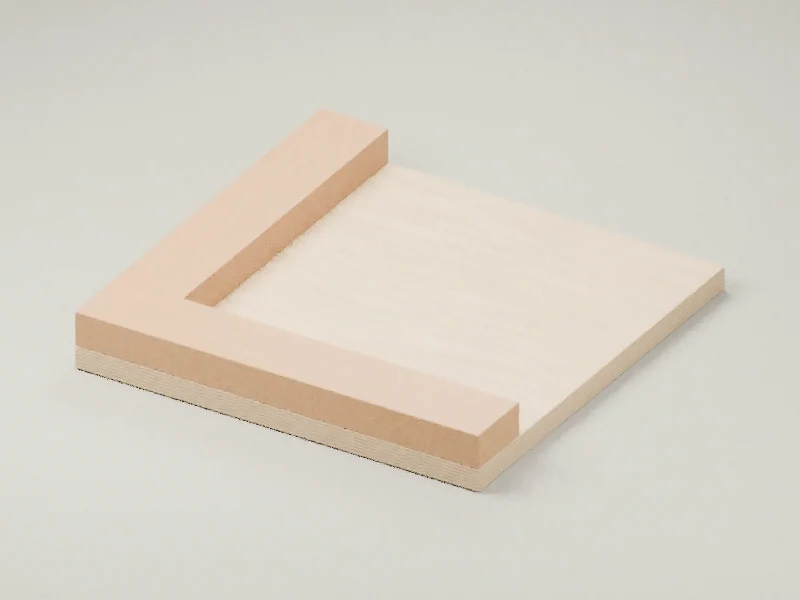
Make a 9-inch alignment jig with two low reference rails. Use a measured triangle to check the cured corner before trusting it on a box.

Workshop
Make a pair of 12-inch winding sticks to spot twist in short boards. Add contrasting bands and test the reading with a shim of known thickness.

Workshop
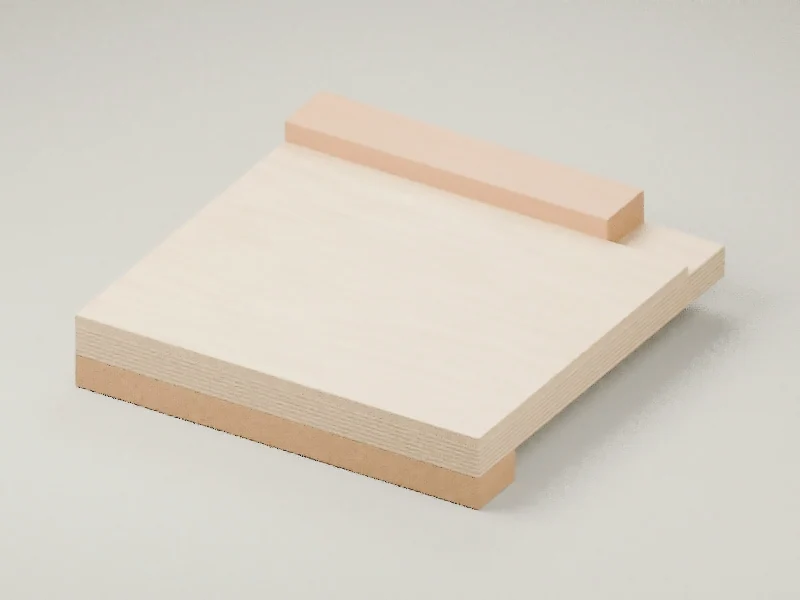
Build a 16 × 10-inch shooting board for planing end grain. Check the hand plane’s bearing side and cutter reach against the 3-inch runway.

Workshop
Build a freestanding sight block with two square reference faces. Use both views to visually align a hand drill while keeping the bit clear of the block.

Workshop
Make slip-on wooden liners for a bench vise. Measure each jaw across bolt heads and bevels, then fit the caps clear of the vise’s moving parts.

Workshop
Build a sliding pencil gauge with an 8-inch beam and a padded thumbscrew. Fit the fence to the measured beam and set the offset from the pencil tip.

Workshop
Plot 1:6 and 1:8 dovetail slopes at full size on a 4 × 11-inch board. Transfer either angle with a sliding bevel and verify it on scrap.

Workshop
Build a six-bay rack that files 5-inch sanding discs upright by grit. Test the thickest stack between the floor rails and label each divider tab.

Workshop
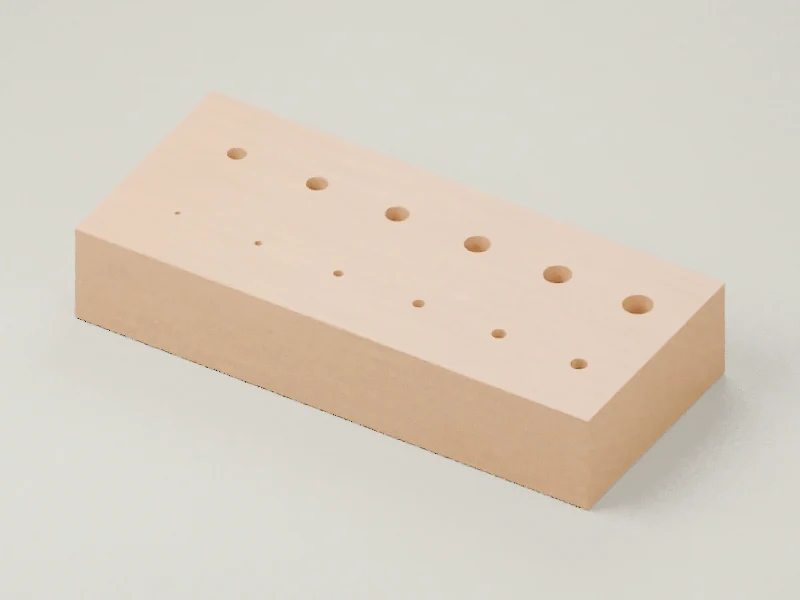
Make a wooden router bit tray with eight blind holes for two shank sizes. Test with smooth gauges and check the clearance between cutter heads.

Workshop
Build a 9 × 5-inch wooden glue brush rest. Test two handle supports with the actual brush so its wet end hangs safely over the lift-out liner.

Hobbies
Sort puzzle pieces on shallow 7½ × 5½-inch floors. Two underside runners guide the empty trays into a stack, with a pencil test for tight spots.

Hobbies
Rest five clean brushes on paired rails so the bristles hang clear over a catch surface. Test the shortest handle before cutting the rails.

Hobbies
Make an eight-spool tabletop rack with a raised back row. Check the bore against a dowel offcut, then plot the pin centers 2 inches apart.

Hobbies
Build a tabletop holder with a raised rear row and ⅜-inch slots. Try your tallest sleeved cards from your seat before setting the spacing.

Hobbies
Set a 6–9-inch hoop down between stitching sessions. Use a paper slip to find the two padded contact points on the rim, clear of the fabric.

Hobbies
Build a flat tabletop board with a pencil channel along one edge. Try your removable clips on a scrap to check that you can draw into the corners.

Hobbies
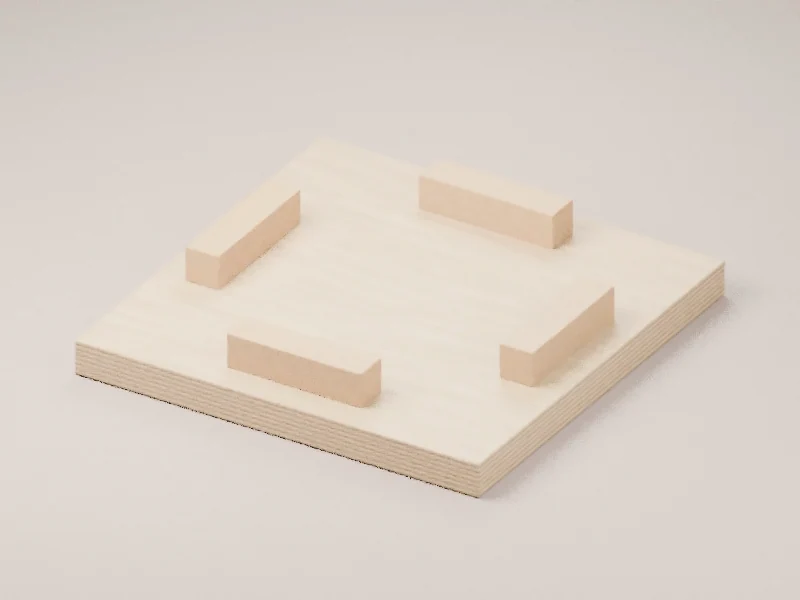
Keep your existing yarn bowl centered between four low blocks. Measure above the foot where the sides flare and leave room to lift the bowl out.

Hobbies
Set three capped ink bottles in a full-size mock-up and check finger room around the middle one. Then fit the short dividers and removable liners.

Hobbies
Park eight removable model-painting clips in two staggered rows. Test your widest unpainted piece in the middle before drilling the full socket layout.

Hobbies
Build a cradle for punching folded book signatures by hand. A replaceable softwood strip supports the fold and takes the awl marks as you work.

Hobbies
Make a 12-inch crochet blocking board with removable pegs. Use exact hole coordinates for three square sizes and check the clear span on your yarn.

Hobbies
Build a tension-free Lazy Kate with three removable spindles. Test one bobbin bore with a dowel before drilling and check the flange spacing.

Hobbies
Build a two-jaw leather stitching holder for ordinary bench clamps. Fit the lined jaws to a scrap seam and keep the clamp below the stitching path.

Hobbies
Make a small weaving loom with an 11-inch opening and reinforced corners. Lay out a sample warp on paper before marking the rails for your yarn.

Hobbies
Build a wooden rack for acrylic quilting rulers. Fit two narrow slots around their grip pads and give thicker handles a separate 2-inch bay.

Hobbies
Build a four-clip tabletop rack for short leather straps and tabs. Measure the hanging clearance and catch wet edge paint on a lift-out liner.

Hobbies
Store rolled craft vinyl in three open wooden bays. Fit the lane width to your rolled material and lift out the end stop for side access.