Choosing a project · 3 min read
Pocket Notebook Shelf or Card File for Notes You Need to Find Again?
Is a notebook shelf or an index card box better for finding handwritten notes?
Offcut Journal editorialUpdated
Short answer
Pick a shelf when you remember which bound notebook holds something. Pick the card file when you need to flip individual labeled entries forward and back.
Compare the builds
These dimensions belong to the linked plans.
Finished dimensions in width × depth × height order.
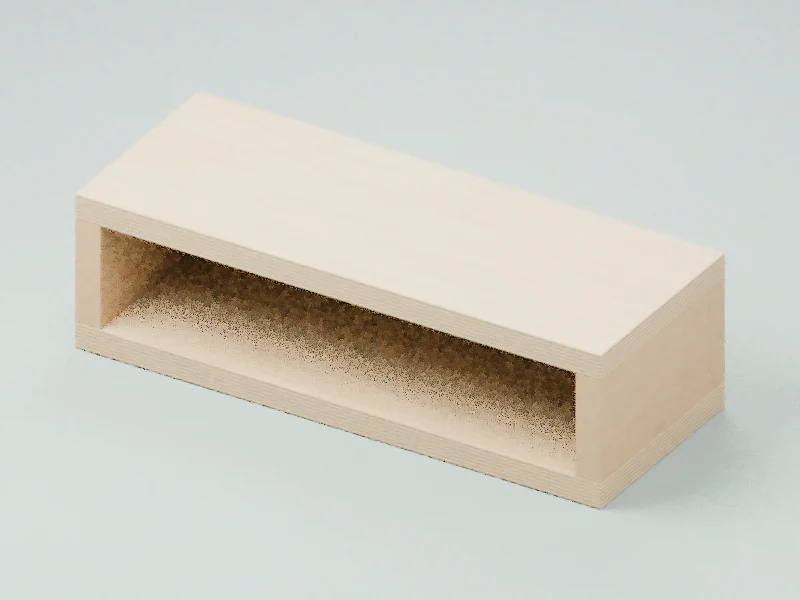
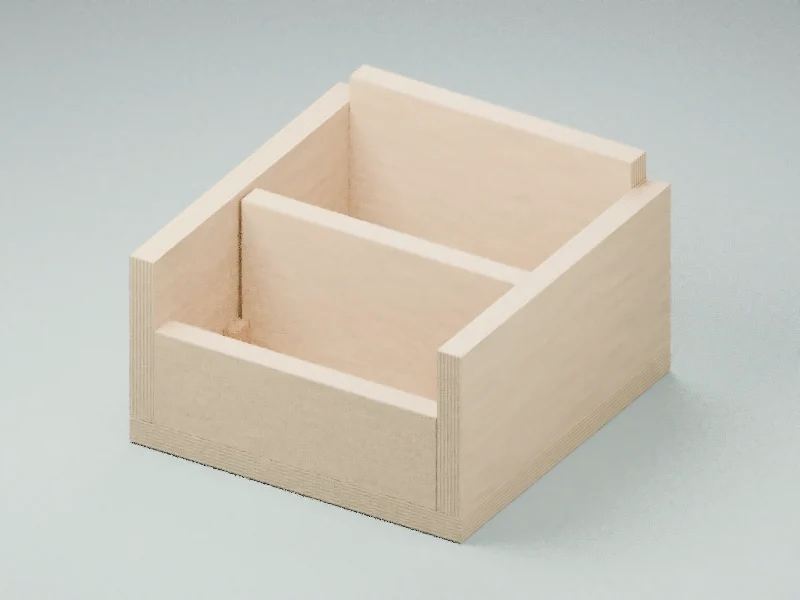
What to compare
Follow one real request for a note
Pick something you recently looked up, such as a paint color from a meeting or the rough size of a cupboard. Notice whether you remember the notebook by color or the note by title. Bound notebooks preserve dates and adjacent context. A vertical file lets your hand move through tabs side to side and offers a lift-out divider. Do the retrieval twice using the same item so the result measures the arrangement, rather than how quickly you can invent a new filing habit.
Keep protruding tabs in the measurement
With a closed notebook, include an elastic loop, pencil holder, sewn tabs, and any folded diagrams. A notebook that seems shallower than the 5¼ inches between the shelf’s front and rear panel may still leave a small protrusion. A card file has higher sides than its front lip. Tabs need to rise where you can still read them without standing, and they need enough depth in their cutouts for a finger to pull the marked group forward.
Measure usable shelf area beside the book
The notebook shelf is 15½ inches wide overall. Its ¾-inch end panels leave 14 inches between inner faces in the lower opening, enough to split a stack into groups if the notebooks are narrow. Use a card divider where grouping by topic matters more than physically separating piles. The card file takes only 6¾ inches across the desk, but any notebooks you keep alongside it still count toward the final footprint. Draw both arrangements, including what each would leave outside the build.
Rehearse putting it away, too
Try refiling the object immediately and after letting it sit open a while. If you have to lift a stack merely to put back your current notebook, shorten or spread that stack. If overfull cards press on the divider when you return one, leave more space to tip the group. A file looks tidy when fresh and empty. A practical arrangement also feels easy to restore after you have brought a notebook or half the cards into the project.
Plan for pages that come out of the notebook
If a bound notebook often sheds torn pages or receives separate receipts, give those loose papers a destination. A stiff envelope the size of the notebook can travel on the shelf beside it, but include the envelope when you check the 3-inch open height. In the card file, compare an ordinary 3 × 5 card with a receipt that reaches past a divider or folds under the row. Fix the receipt to a card with a removable clip if that fits the way you file, and count the extra thickness. If loose paper routinely takes over both systems, give the active notebook and the loose items separate spots.