Choosing a project · 3 min read
Folded Bags or Boxed Wrap? Two Wooden Organizers for Different Pantry Jobs
Can I use one wooden pantry organizer for both grocery bags and boxes of wrap?
Offcut Journal editorialUpdated
Short answer
Choose the caddy when a soft bundle needs a finger opening. Choose the carton shelf when a long box keeps its shape and needs a straight exit.
Compare the builds
These dimensions belong to the linked plans.
Finished dimensions in width × depth × height order.
What to compare
Choose a representative bag, not the prettiest fold
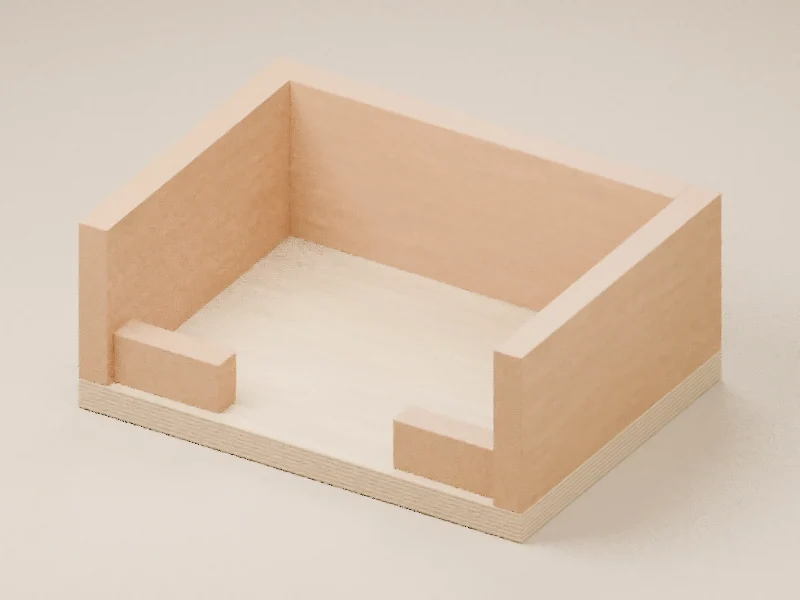
Fold the thickest reusable bags the way a household member normally packs them. Include rigid bottoms, an elastic closure if there is one, and handles dropped over the top or folded inside. Put the smallest bundle behind the largest and see whether you can tell both apart by touch. The caddy is open at the top, and its split front lets fingers get in to catch a handle. A tall stack can move as a group if the handle of one bag loops around another.
Turn a box the way you will read it
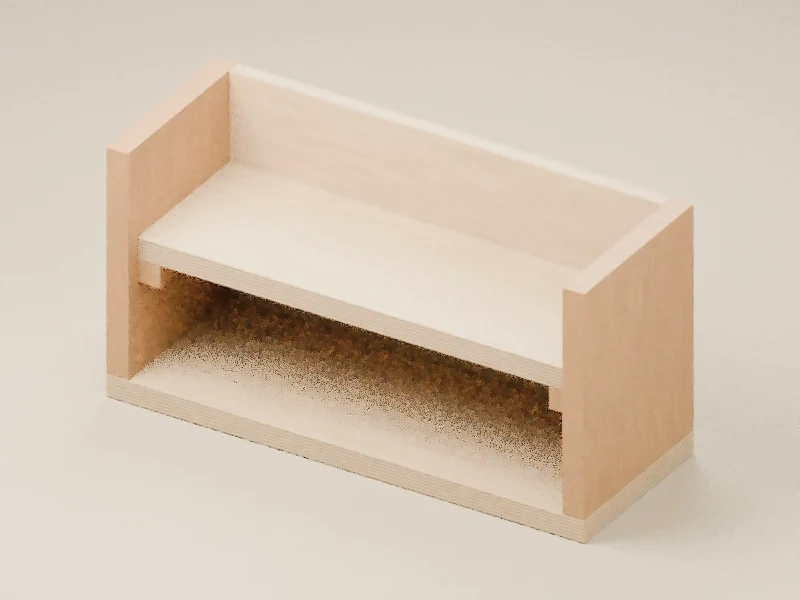
Set the widest carton down with its label facing whatever direction feels easiest to read. On the foil shelf the 14½-inch dimension runs across the open front. The lower and upper tiers are different openings after accounting for the shelf thickness and supporting ledgers. Check the tallest package at both levels and account for thumb room at a front corner. Remove the box from the shelf to use its cutter rather than pulling a sheet against the wooden organizer.
Use a side-on sketch to settle the depth
The caddy is 8½ inches deep, while the wrap shelf is 6 inches deep. Draw the inside edge of the pantry door with painter’s tape on the shelf if hardware or hinges retract into the space. Then mark the bases at full size. A grocery bag handle that falls ahead of the split stops can extend beyond its outline, and a carton sitting at an angle can take more than its intended 6-inch shelf depth.
Make refill day part of the choice
Load one new box behind the one currently in use, or add as many bags as tend to accumulate after groceries come home. Pull the lowest relevant thing out while the rest stays put. A single broad object can often share a level with a narrower object if both still have a place for fingers. A loose bag wants a deliberate fold and a predictable handle position. Select the organizer that makes that habit easiest for everyone who uses it.
Make room for spare stock before it crowds the daily supply
Keep a week's typical supply separate from the bundle you just brought home. Put the everyday bags in the caddy mock-up and leave enough room at the 4½-inch front gap to grab one handle. Assign overflow to a different shelf if a fresh stack covers the opening. On the 14½-inch-wide wrap organizer, settle which cartons are in use before putting spares in front of them. A tall unopened box can fit an upper tier and still hide the opened carton you turn to every day. Put a small note with spares so you can refill the wooden organizer before buying more. Judge each project with the supplies you use regularly.