Choosing a project · 3 min read
Puzzle Sorting Plates or a Drawer Grid for Mixed Small Pieces?
Should small pieces go onto stacking trays or into a divided drawer insert?
Offcut Journal editorialUpdated
Short answer
Use individual shallow plates when a group needs to go to the work surface. Use a drawer grid when several categories share one removable shell.
Compare the builds
These dimensions belong to the linked plans.
Finished dimensions in width × depth × height order.
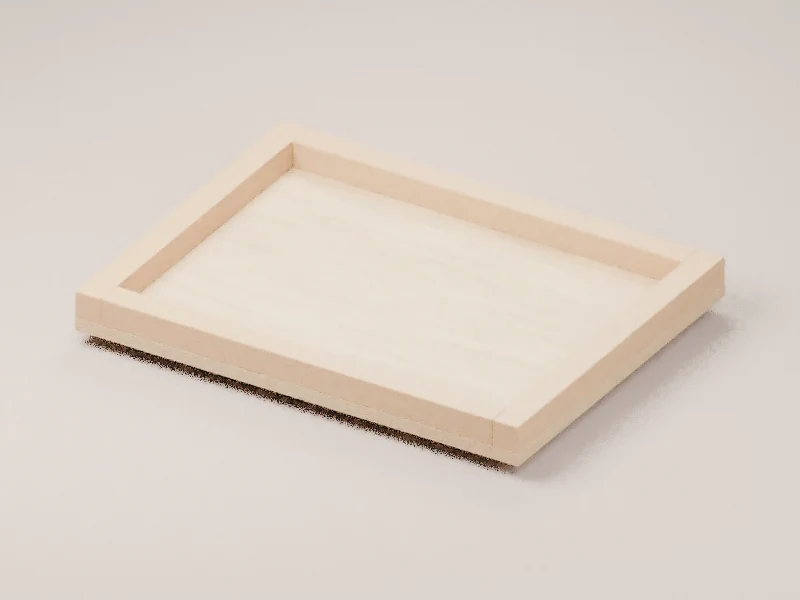
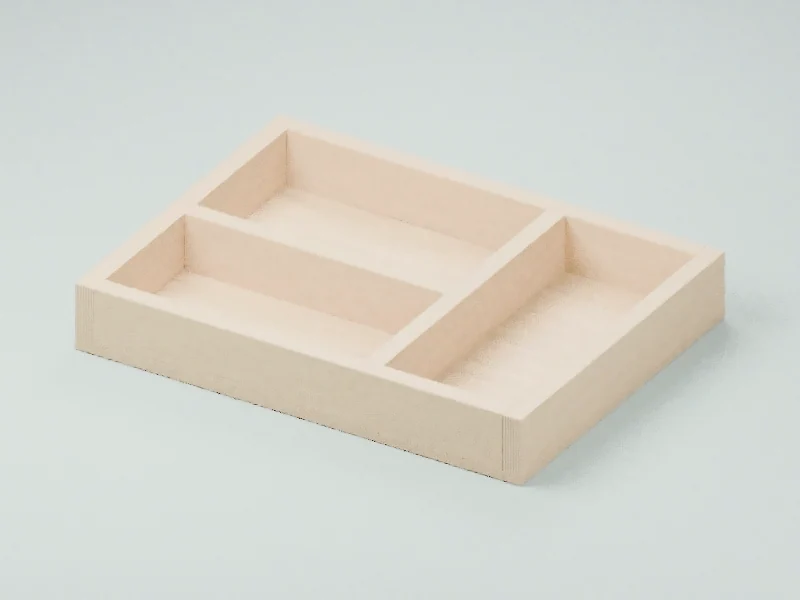
What to compare
Pick the unit you will bring to your work
Put one color of loose puzzle pieces on a paper rectangle by itself. Set the remaining colors beside it and see whether the whole group stays readable. A plate can come to the edge of the puzzle separately and move back when finished. A grid brings every bin to the bench when lifted. That can be helpful when tools, clips, or labels need to stay near one another, and it can occupy space you could otherwise use for the immediate task.
Decide how much stacking you plan to do
The puzzle plate’s underside runners register empty plates in a stack. Account for piece height before assuming you can stack loaded plates, and keep small loose pieces away from a pad or runner that might contact their faces. A drawer grid has no moving layer above each bin, but the fixed underside of the furniture acts as a limit. Check the tallest article with the drawer partly open, completely open, and closed gently with any pads in place.
Find the smallest item with your usual grip
A tray lip can make paper pieces easier to corral while blocking part of the approach to a flat corner. Put one especially small piece against a mock corner. Push it to an available edge and pick it up as you normally would. The drawer grid offers deeper, longer walls. Try retrieving a thumbtack-sized sample or a small bobbin from the narrowest bay. A visible item can still be difficult to pick up when the category sits at full capacity.
Plan the groups before cutting dividers
The drawer grid’s two shorter compartments are set by fixed ½-inch stock, and the long divider stays in the shell. Verify actual plywood dimensions before transferring a sample opening or adapting the plan for a new drawer. A set of puzzle plates can instead be labeled on the outside so you remember what each carried during a pause. Count the labels, group capacities, and motions you expect. Then build the simplest layout you can move and reset.
Retain the group order when you have to clear the table
Put three labeled 7½ × 5½-inch paper rectangles in the places where you would leave the sorting plates. Assign a fixed order, then move the mock-ups to the shelf you'll use when someone needs the table. If loaded plates can't stack without contact, lay them out separately and check that the shelf actually holds them. For the 12 × 9-inch drawer grid you can preserve bin order by moving the single shell, but still need somewhere level to set it. Choose the approach that keeps the labels facing the right direction when you return. A simple arrangement you can restore after dinner often matters more than the number of groups it holds.