Choosing a project · 3 min read
Potting Cleanup Tray or Orchid Bark Sorting Station?
Should a repotting station have one open sweep tray or separate pans?
Offcut Journal editorialUpdated
Short answer
Choose a sweep-front tray for keeping one task to a wipeable floor. Choose two lift-out pans when fresh and removed material need distinct destinations.
Compare the builds
These dimensions belong to the linked plans.
Finished dimensions in width × depth × height order.
What to compare
Decide what you want to keep separate
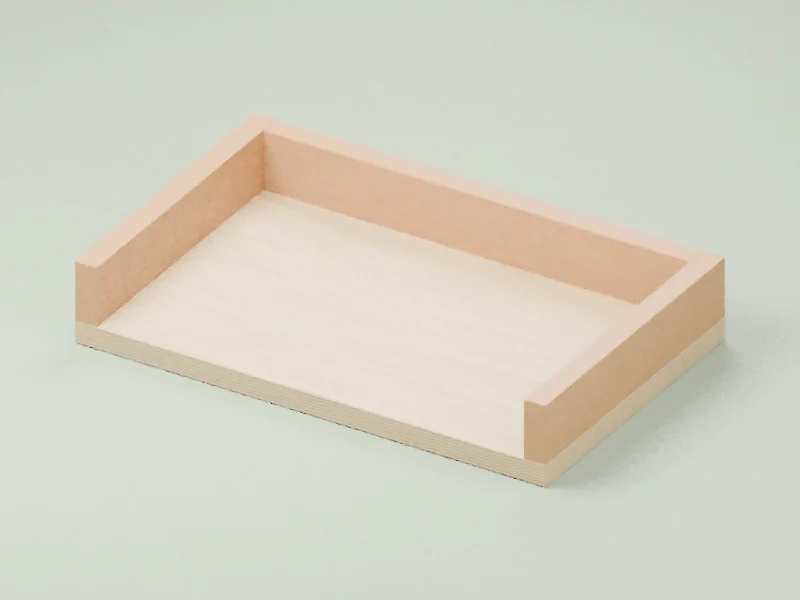
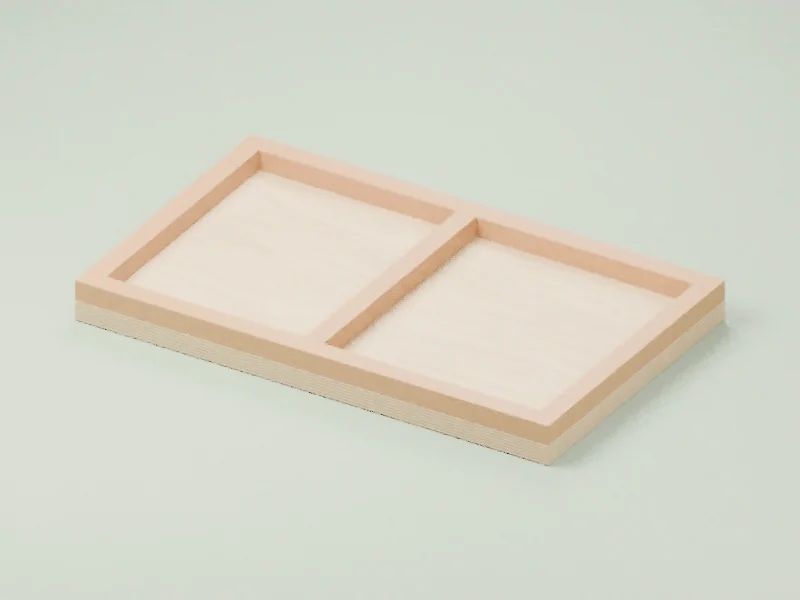
Place empty containers labeled with the jobs you expect at the bench. Fresh bark, material coming out of the pot, and an empty plant pot all need a place even for one repotting job. The orchid station holds independent containers separated by a low wooden divider. The potting tray provides one floor with three protected edges, making it easier to move a pot or brush across the surface. The choice follows whether you keep two supplies apart or clear one surface between stages.
Measure working room around the pot
Trace the widest occupied rim over the proposed work area and draw each hand beside it. A 6-inch pot in a tray 9¼ inches deep leaves 3¼ inches total fore-and-aft space, less after you allow for a liner fold or a scoop laid behind it. On the sorting station, expect to place the pot on the work surface and lift smaller pans separately. Shift the empty shapes around while standing at the intended counter rather than judging the arrangement from directly overhead.
Plan the waste container’s location before glue-up
The open front of the cleanup tray offers a low sweep edge. Represent that edge with scrap and bag a handful of clean test material. Put the collection bin where you can see its opening and avoid the side walls when the brush passes. For the double pans, trace a full upward and forward lift so wrists can clear the rims without spilling. Rounded or overhanging pan lips can make the outer grip larger than the nominal bay.
Resolve the wet-to-dry sequence
Lift out pans and wipe the barriers separately rather than leaving moisture trapped under containers. Select a liner with a cleanable surface suited to your intended material and full-size fit. The wooden tray itself is a holder for that liner. If a dirty scoop frequently needs a landing place between tasks, reserve a clear patch next to the mock-up. Otherwise the scoop can so easily bridge two containers and drop debris into fresh mix.
Choose which sorting pan leaves first
Decide whether the smaller pan should hold fresh material or waste by rehearsing the transfer with empty pans. In the 7½-inch-wide bay, trace the outer lip of the smaller one and leave enough room for a finger at the spot you naturally lift. Place the second pan in the 8¼-inch bay and see whether its rim sits across that grip. Put the pan that has to come out sooner where you can remove it independently. If both pans have to come up together, try a different pair of purchased pans before moving the divider. On a single cleanup tray, make this same decision with temporary cups that can be moved out of the sweep path.