How to Fix a Small Wood Project That Rocks
Find out whether a rocking tray, stand, or rack has a twisted base, a high spot, or an uneven work surface before modifying the wood.
Field guides
Find the point where a build went off and choose a repair that fits.
43 field guides
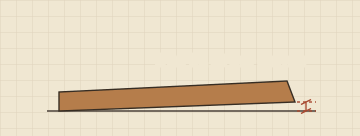 How to Fix a Small Wood Project That Rocks
Try a shorter search or search all field guides.
Find out whether a rocking tray, stand, or rack has a twisted base, a high spot, or an uneven work surface before modifying the wood.
Diagnose a gap in a square-cut wooden tray by measuring the rails, checking the cut faces, and correcting the fit before applying glue.
Stop a spinning wood screw before it enlarges the hole. Check where the threads should grip and decide whether to repair or replace the part.
Diagnose a split in a narrow wood rail, decide when to cut a replacement, and test the screw layout on matching stock before assembly.
Locate the rub on a finished wood divider, check for thick finish or twisted parts, and restore just enough clearance for easy removal.
Use measured board widths to lay out equal gaps, and fit individual packers when parts of different thickness need to sit at the same height.
Protect visible wood faces with broad, flat cauls. Check clamp pressure, grain, and support in a dry rehearsal before gluing the joint.
Keep a small wooden part on its layout lines with two temporary stops, a clear clamp path, and a dry rehearsal before spreading glue.
Read dimensions from woodworking plans and verify a full-size template after printing with a known reference measured in two directions.
Measure the usable part of a scrap, match its largest required piece to a plan, then lay out the full cut list with room for each cut.
A level tray can still walk on a soft sofa arm. Use a paper gauge and two low-pressure checks to find where the cheeks actually bear.
Separate cassette height, insertion angle and drawer headroom when cases load easily but catch under the cabinet opening.
Trace a paper-folder hook that climbs during a slide with a marker, a rail-span gauge and one empty folder.
Use a plain target to distinguish a blocked phone camera from a crooked document on an overhead scanning bridge.
Find the contact that turns a charging cable into a lever under a wooden phone stand.
Find the room light, phone setting or glossy sleeve behind a bright patch in a document scan.
Measure from the actual point where the headband sits and figure out what is using up the hanging clearance.
Test lining, the laptop’s thickest point and the tilt of your hand when a vertical stand grips during removal.
Protect jacket corners and spot the difference between a catching sleeve flap, a narrow divider edge and an overfilled bin.
Use a lightweight book to see how the spine, cover and stop share contact in a wooden reading stand.
Use a loose paper strip to inspect bridge and temple contact before an eyeglass cradle scratches a lens.
Isolate a snagging ring, swinging key or retrieval path on a row of wooden dowel pegs.
Follow the drip line and the mat’s inside lip before resizing a slatted shoe deck.
Find whether the cup rim, a floor cleat or your hand angle blocks a wooden umbrella stand’s removable drip cup.
Check how a passive rack supports mitten cuffs and lining when the fingertips dry much more slowly.
Find the pocket corner, folded tab or polish buildup that catches a removable shoe brush.
Map the lift and tilt of a tall pot lid knob before moving the pegs in a wooden lid rack.
Test a stationary can organizer for rolled seams, mixed sizes and short reach using lightweight stand-ins.
Use an empty bottle to check loop, cap and shelf clearance in a wooden horizontal bottle rack.
Use an empty saucer and a hand-width check to preserve access to the middle of a windowsill herb tray.
Compare a dry bottle fit with a controlled damp test when a propagation rack’s removable liner follows the bottle.
Find the liner lip, shallow well or uneven pan support under a cloche using paper gauges and a straight scrap.
Measure the roll with its loose tail in place and find why it hooks the divider or neighboring roll.
Find the pull angle, bowl contact or wood edge that moves a yarn bowl in its cradle.
Use individual and paired bobbin tests to separate oversized flanges from a leaning pin or a wandering yarn path.
Find whether the spool bore or its pin seat is responsible when a wooden spool stand comes apart during an ordinary lift.
Test jaw support and grip on scrap leather when the work moves partway through a seam.
Find a skipped warp mark, reversed rail or uneven frame before adding tension to a small tabletop loom.
Measure a crochet square on the board and after release to distinguish peg geometry from fabric recovery.
Test the full sweep of clips and model parts with dry stand-ins before any painted surface goes on the rack.
Use a clean five-inch card to find whether disc edges curl against wood, neighboring discs or a keeper.
Check for trapped dust, a shallow hole, or a different shank diameter when a bit sits too high in a wooden storage block.
Use two paper mock cards and your real seat height to tune the sight line through a double wooden card rail.