Fixes at the bench · 3 min read
Why a yarn bowl rocks while you pull yarn
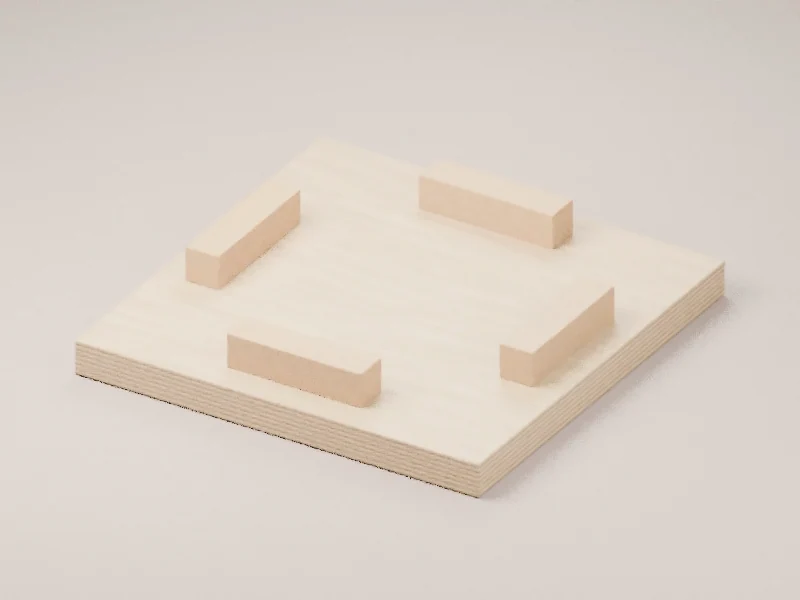
Why does my yarn bowl rock or lift when it looks centered in the wooden cradle?
Offcut Journal editorialUpdated
Short answer
A gentle sideways pull can move the bowl until its wall meets a stop. An upward pull from a high seat can tip it over that stop, especially if the yarn catches in a lip. Start with the bowl empty and put a short length of spare yarn through the normal feed point. Keep the bowl on a low stable surface. Check both how it sits and how the yarn leaves it while keeping the bowl supported.
Find the cause
Establish a steady resting point
Place the dry bowl on a clean padded tabletop before returning it to the cradle. Observe whether its foot touches evenly. Remove loose lint from both support surfaces. Center the bowl in the cradle and lightly touch opposite sides below its rim while watching its foot. Movement across the base feels different from a rock over an uneven support.
Pull from two representative heights
Thread spare yarn through the normal exit and draw a short length from your usual sitting position. Then lower your hand beside the bowl and draw the same length. A rocking bowl that stays down with a low pull can be reacting to the taller feed angle or the yarn deflecting upward through a narrow opening.
Find the first spot where yarn stops feeding
With the bowl held steady, draw the spare yarn slowly. Look for a loop rubbing a block, a rough spot on the bowl lip or the yarn going straight into a corner of the support. In the cradle, turn the bowl to offer a direct path through its intended exit. If the bowl rocks while held just above the cradle, the path through the bowl itself deserves attention.
Test clearance with the real work position
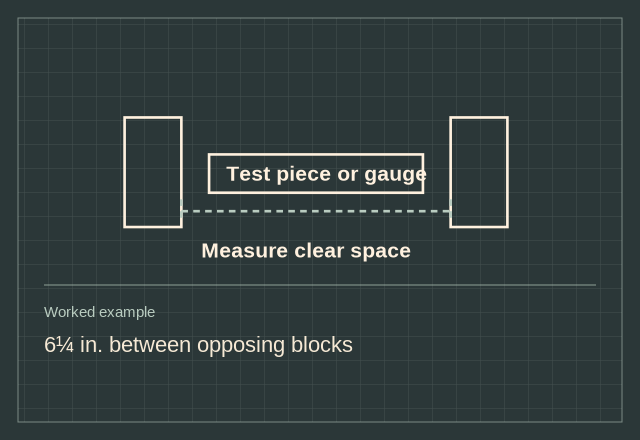
Move your chair or the cradle a small amount and repeat before changing the fixed blocks. Keep the cradle fully on its surface and leave room for the yarn to move past the rim without crossing an edge. A piece of grippy, removable lining can reduce travel if it keeps the bowl level and does not crowd the rotating feed path.
Check the shape of the yarn ball under a normal pull
A short test strand isolates the exit. Once that feeds freely, a spare ball or cake lets you test the motion inside the bowl. Sit in your usual place and draw yarn slowly while keeping the bowl supported. Watch whether the ball rolls freely, then catches against the opposite wall and yanks the bowl. A cake that draws from the center may behave differently from one that rolls across the bowl under an outside pull. Keep the normal feed direction and pick a bowl that fits the working ball as it turns. If a spare ball feeds cleanly, keep the cradle stops as they are until you test the intended yarn.
Practice on a plan
Finished dimensions in width × depth × height order.