Fixes at the bench · 2 min read
Why sanding disc edges curl in an organizer
Why are sanding discs starting to curl at one edge inside their wooden organizer?
Offcut Journal editorialUpdated
Short answer
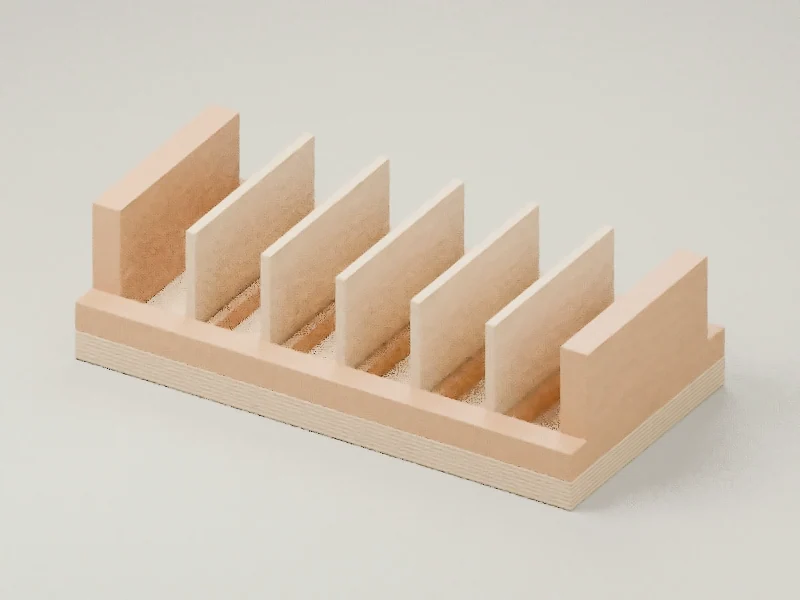
A standing pack can slide until it rests against a low keeper. Once a disc touches a side wall or rides over a disc of another size, the backing can stay bent between uses. Begin with unused abrasive from a fresh pack and a plain cardboard disc of the same diameter. Keep used discs apart while you diagnose the storage location. Loose grit carried into the fine packs can mark the work later.
Find the cause
Check the edges of the clean card first
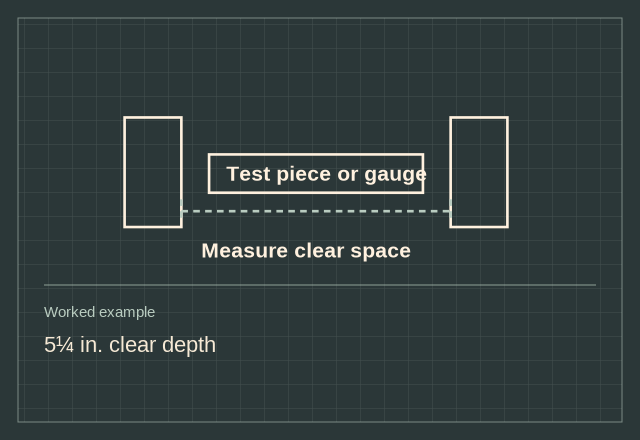
Stand the five-inch paper or cardboard gauge in the suspect bay and move it as you would while browsing. Note which edge touches during a lift and return. Move it to the next bay and compare. A catch that stays at one position points you to the part of its keeper or side wall that needs a closer look.
Test the packet as it was stored
Set one unopened or clean representative stack in the same position. Look at the shape in profile. A folded bag or projecting package seam can tip the group and send the largest discs toward the wall. Transfer a manageable number of discs to the position approved by their maker and keep the packaging label visible.
Inspect disc shape before the organizer
Compare a fresh disc from the original packaging with one left inside the rack. Lay them flat on a clean surface with no weight on top. Record which edge is bent and whether it matches your earlier contact mark. Follow the abrasive maker’s storage guidance, including any humidity or flat-storage requirements. Set any damaged disc aside according to those instructions.
Make retrieval shallow and visible
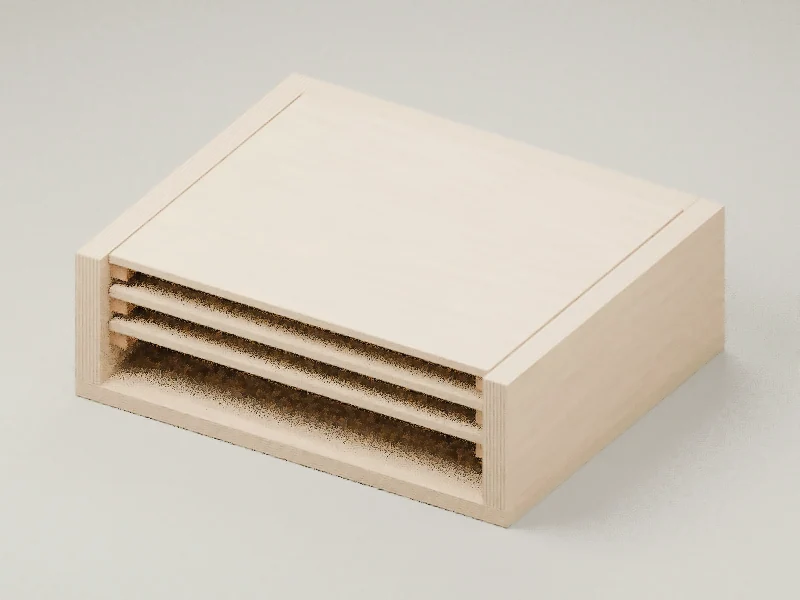
Put the most-used clean stacks where you can lift a few directly. Assign used discs or offcuts to a different holder with clear grit labels, so coarse particles have fewer paths to the clean stacks. A flat sheet file may be handier for abrasives that need a level stack.
Check what the first and last disc bear against
Look at the two outer faces of a clean unfinished pack inside the bay. Several flat discs may support one another in the middle while the outermost bends around a keeper or leans against a narrow divider. Compare the shape of a plain cardboard gauge when it is against the stack and when it is the only disc left. If the last one is the only one that bows, store those few discs in the maker’s approved packaging or in a suitable flat holder. Make room for the full width of the packet at the keeper so the storage choice does not reintroduce the same bend.
Practice on a plan
Finished dimensions in width × depth × height order.