Choosing a project · 3 min read
Store Sandpaper Flat or on Edge? Start With the Abrasives You Actually Buy
Should I store sandpaper flat on shelves or upright by grit?
Offcut Journal editorialUpdated
Short answer
Full sheets benefit from a shelf that supports their width and length. Round discs suit upright bays with visible tabs and a pull path that clears the rim.
Compare the builds
These dimensions belong to the linked plans.
Finished dimensions in width × depth × height order.
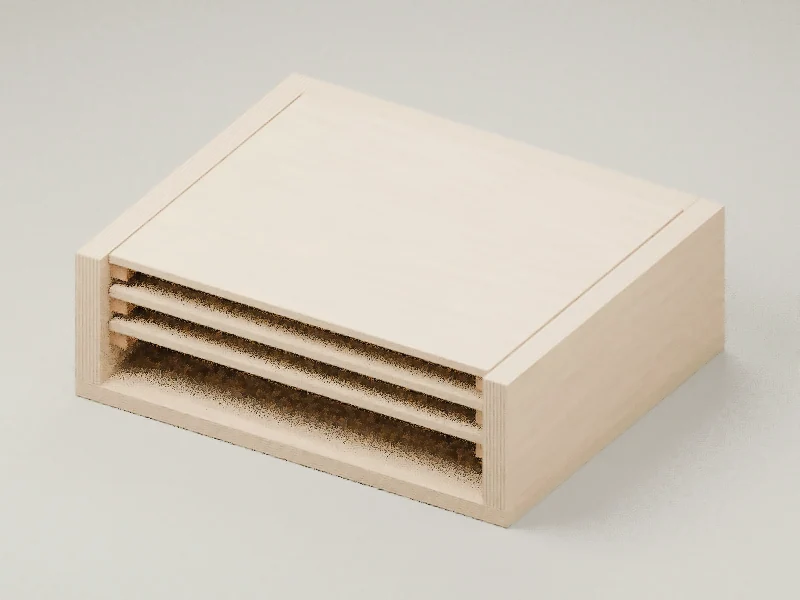
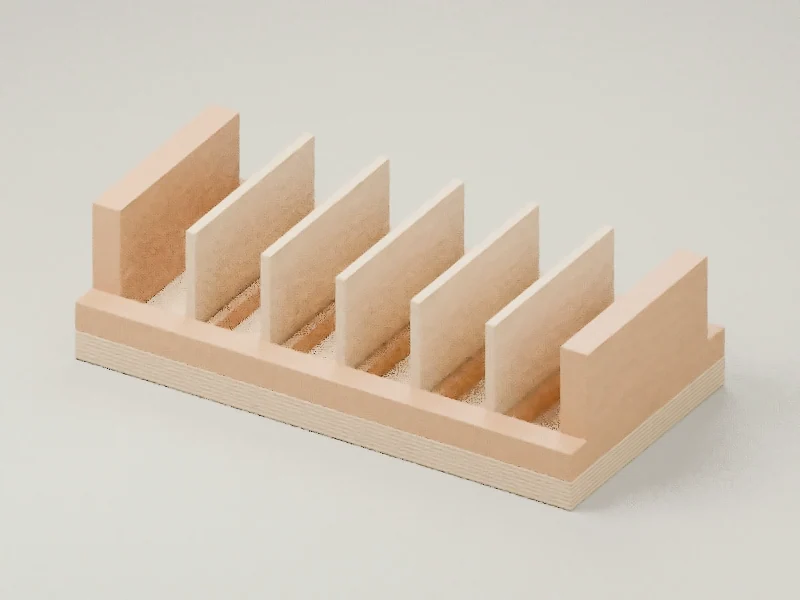
What to compare
Inventory by shape and attachment first
Lay out sheets, discs, hook-and-loop interfaces, and pressure-sensitive products before sorting any grits. Several types may share a number while attaching to different tools. Give them separate labels at the place your hand approaches. In the sheet file, the front shelf edge is a practical reference beside a stack. With the disc rack, distinguish brands or hole patterns using a label on the visible lip or keeper tab. Check whether the last disc falls below that label when it settles.
Use the finest pieces to test housekeeping
Clean, fine abrasives can pick up coarser grit if loose pieces share a dusty pile. Look at the empty route from the opening to each bay and decide how you will wipe or protect it. The flat file offers a backed rectangle and sliding plywood shelves. The disc organizer allows you to lift out its thin dividers. If you regularly keep some used pieces for touch-ups, reserve a clear labeled position where those will not rub on clean stock.
Decide how much space new packs occupy
Set a full replacement pack beside the tools and measure the pack’s thickness and width as you intend to store it. Load the heaviest expected assortment on one sheet shelf in a mock-up and see whether fingertips can still separate the top piece. On the disc plan, an assortment may span two bays if some grits come in larger packs. Measure the exact amount of container you want, rather than using the width of a single disc.
Test pull space under the bench or above it
The sheet rack is roughly 13 × 10¾ inches in plan and commonly needs front room to slide a shelf. The disc rack occupies a shallower 6¾ inches of depth but needs lifting space beyond the height of loaded discs. Put paper of the two footprints on the cabinet surface. Then simulate withdrawing the last sheet or disc with the normal door or drawer position. Beware a small front lip that makes a shallow reach feel deeper than it measures.
Record the hole pattern with the grit
Before making labels, place a new disc beside a clean backing pad or refer to the tool maker's stated pattern. Write the diameter, attachment type, and hole pattern on the same divider that names the grit. Different 5-inch discs can fit a 5¼-inch pocket even when they belong to different pads. Reserve a separate divider position for either pattern if both are in use. On the flat sheet file, mark the shelf whenever you keep cut strips with the parent 9 × 11-inch sheet. Group the remnants so a full sheet stays easy to find when you need a fresh rectangle rather than a scrap.