Sanding and finish · 2 min read
How to Keep a Finish Record for Repeat Builds
What should I write down so I can match a wood finish on a later build?
Offcut Journal editorialUpdated
Short answer
Save a labeled piece of the actual stock and record the full surface preparation and finish schedule. Keep the swatch and the product details together. Compare it with the current project before treating a replacement, because color and sheen may change in service.
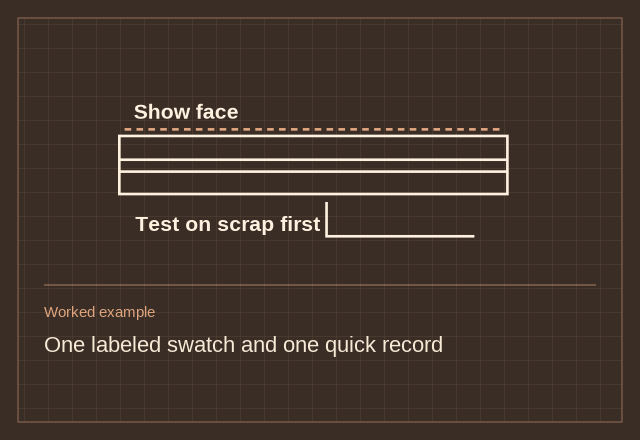
At the bench
Record which wood and face you used
Add the board, panel or offcut identity when you know it. Note any face that mattered, especially on veneer. Keep the sample large enough to show grain and edge detail. Mark the rear so the writing does not affect its appearance. If the build uses two materials, make a paired sample that carries their relationship across a joint.
Write down preparation and products in order
List the final prep and any treatment applied before the stain. Record the exact named products and shades. Include the maker's schedule you actually followed rather than a guessed generic timing rule. Write the coat count and application method so you can compare the process later. A label photo or current link can help interpret product changes.
Mark any surfaces that get a different treatment
A guide rail or adhesive area may stay bare while nearby faces get coats. Include a small sketch or map so the later builder knows where the boundary runs. Such information can matter more than the exact color on a hidden underside. Note any finished fit check that belongs with those surfaces so a replacement can be tested against the current item.
Compare the saved sample with present use
Keep the offcut in a reasonable known location and check its appearance beside the old project before starting again. Surface wear and light may change the way the piece looks. Treat the stored sample as a record of what you originally did. A fresh trial next to the existing object helps decide whether to repeat that schedule or adapt the appearance deliberately.
Name the surfaces a replacement part has to match
Add a small drawing of a sorting plate and mark the two neighboring faces a replacement will touch or sit beside. Their current appearance may matter more than the whole set’s average shade. Label a keepsake swatch with the side it represents and which way the grain faces in use. When a new plate is needed, set the swatch along those actual surfaces and look at the seams first. If the old piece has changed color in service, keep the original recipe and mark the new decision separately. That leaves a readable trail for the next replacement without confusing the original finish with the later match.
Practice on a plan
Finished dimensions in width × depth × height order.
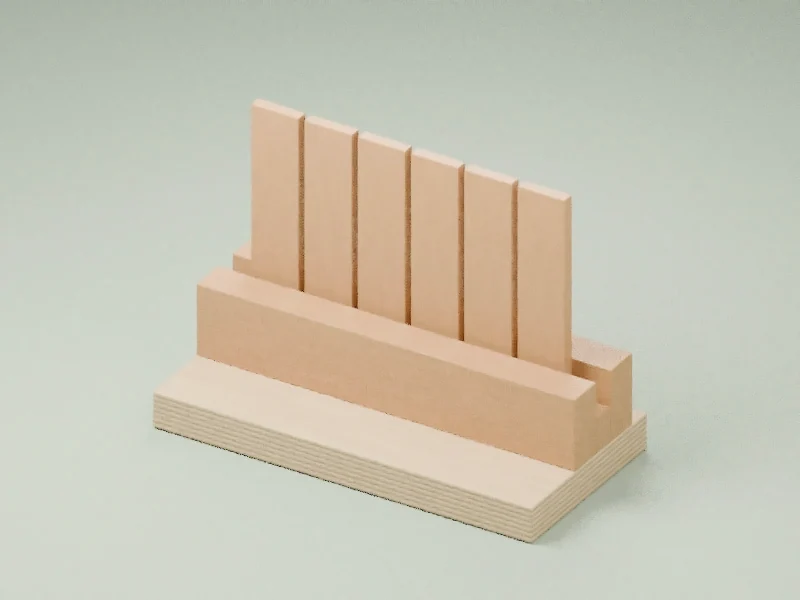 Reusable Wooden Plant Labels with a Drying StandFinished size · 8 × 4 × 5¾ in.
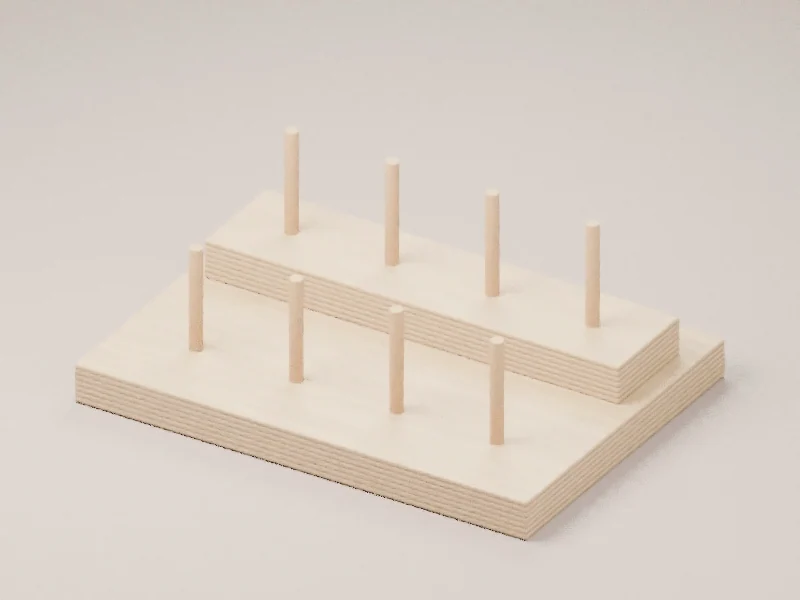 Two-Tier Wooden Thread Rack for Eight SpoolsFinished size · 9 × 6½ × 3½ in.