Choosing stock · 2 min read
Red Oak vs. White Oak Near Occasional Drips
Does it matter which oak I use near a plant tray?
Offcut Journal editorialUpdated
Short answer
Know which stock you have and where water may sit. The white-oak group generally has vessels more occluded than the red-oak group, and natural decay resistance varies with the particular species and wood. An indoor overflow still calls for a catch surface, drainage or routine drying. Choose the hardware and wood for your actual exposure.
At the bench
Identify the actual oak
Color overlaps between pieces of red and white oak. Use a reliable supplier's identification or traceable stock rather than reading color as a species label. Look at the information for the particular board. A reclaimed piece that merely resembles oak gives you less reason to depend on a distinction between groups.
Inspect the section exposed to water
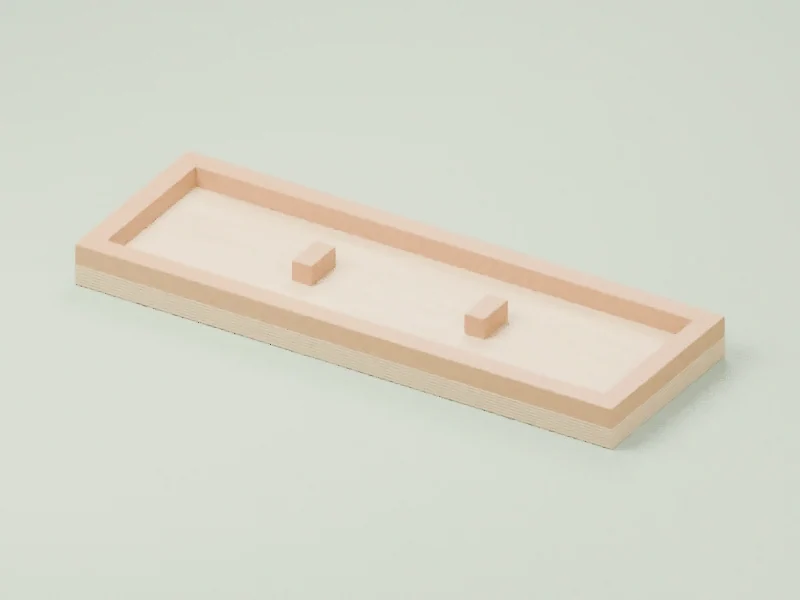
The ends and seams of a project deserve attention because water can reach them out of sight. Check where the saucer rim ends and where a rail meets a bottom. A sealed-looking surface may still allow moisture to collect underneath a pot. Plan a predictable route to inspect and dry the actual contact area.
Compare other requirements too
If the oak will be an occasional touch surface inside a dry room, consider the visible grain, the size of sound stock available and whether it fits the existing plan. A hard clear section from known stock may be a comfortable decision even where good moisture management would make either candidate workable. Keep the measured plans consistent when considering a substitution.
Choose a system suitable for frequent exposure
If water is likely to stand or the project will live outdoors, evaluate the whole design, including the material grade and service conditions stated by the supplier. Check where connections and inserts would stay wet. Use a design specified for the application rather than assuming an indoor shape becomes suitable through a species swap.
Check what happens when the tray gets pushed back
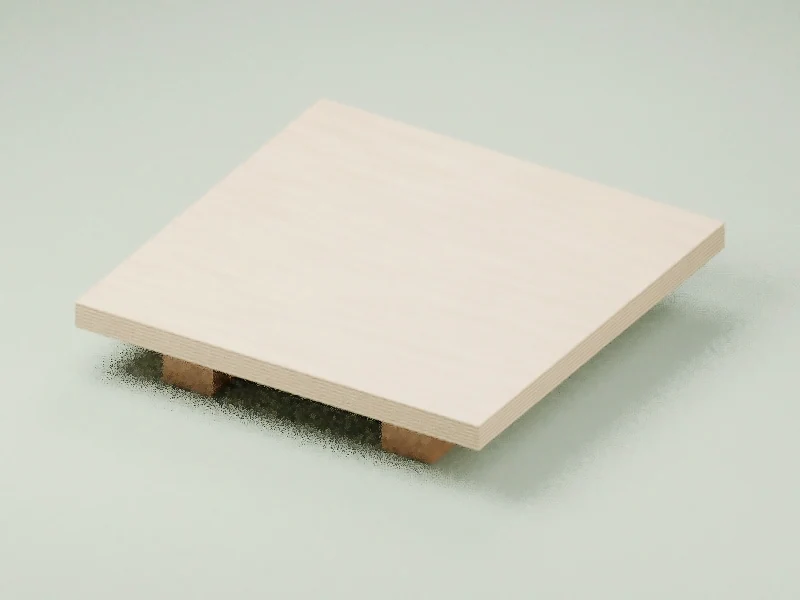
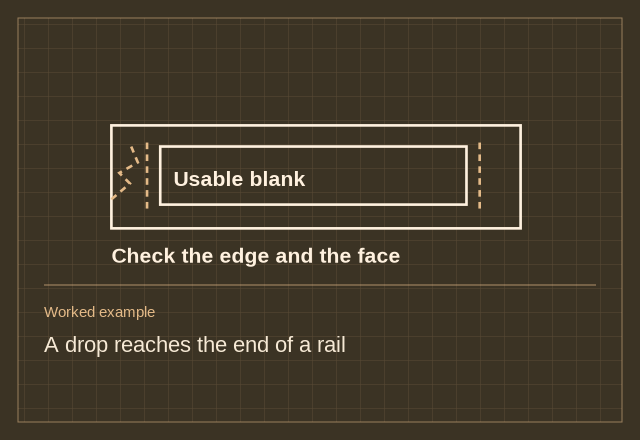
A saucer centered in front of you can cover a wood rail that becomes exposed when the occupant slides the tray toward the wall. Put the empty saucer in the actual resting spot, set the stand in place, and test how far the setup can shift during use. Look for a rail end that the catch surface no longer protects. Check whether that end is reachable for drying without removing neighboring pots. If the layout has a free corner, you might be able to reserve a dry path for the ends even when the top sees occasional drops. Base the choice on the confirmed species, usable stock, and water exposure you can actually manage.
Practice on a plan
Finished dimensions in width × depth × height order.