Fixes at the bench · 3 min read
Why the front row hides cards in a two-row rail
Why can I see all the cards when I stand but can’t read the back row while sitting?
Offcut Journal editorialUpdated
Short answer
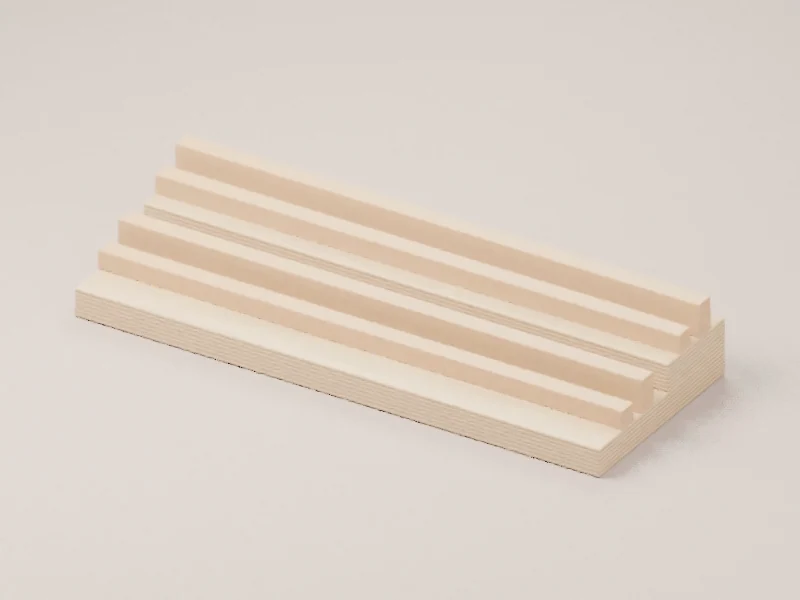
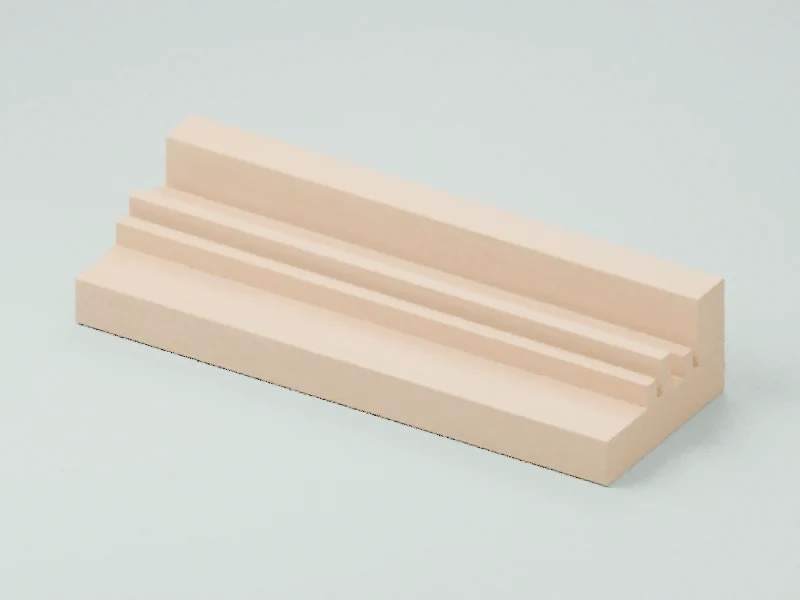
In a low chair the front cards can cover the rear card titles even though the rear row sits higher. The kind of information hidden depends on the sleeve height, the slot angles and where the rail sits on the table. Test from the seat and distance used to play before choosing a new rise. One scrap with a dark line at the intended title height can show you more than trying to read a print-heavy hand of cards.
Find the cause
Begin with the tallest sleeve in front
Set it in the rail while seated at the usual chair and mark where your eye meets its top on a separate card. Put the rear test card in place with the title line drawn on it. Compare sight lines at each end of the holder, since an angled seat can also let one front card hide part of another from the side.
Change rail distance before changing its height
Slide the empty rail slightly closer, keeping it entirely on the table and clear of hands. Refill both rows. A closer position can improve the view for some table and seat heights but shorten the area available for play. Try a second distance and mark the better location on a removable paper guide.
Mock up a rear rise independently
Use a stable wide scrap and a cardboard holder for the test card beside the real rail. Never prop the entire loaded rail on a loose stack. Compare the test card against the usual front row at two heights until the important information stays visible. Check how much of the rear card can remain inside its planned slot without obscuring its bottom or becoming unstable.
Keep privacy and reach part of the test
Look from the other seats if the game uses a private hand. A higher rear row may expose information or make a removal cross the front cards. Try sorting taller cards into the rear or moving cards horizontally rather than increasing the rise. Use a full hand for the final trial.
Test which information matters on the lowest card face
Copy a title, a corner symbol, and a lower line onto a spare card where those details appear in the game. Put it in the rear slot behind the highest front sleeve. If the title clears but the symbol you need for a turn is hidden, slide the test card along the row and compare the view from the usual seat. A small sideways offset may reveal the corner without hiking the card higher or leaving less support in the slot. With a full hand in place, verify both ends of the rail. Keep positions that preserve privacy from other players while letting you read each turn’s essential details.
Practice on a plan
Finished dimensions in width × depth × height order.