Measuring and layout · 2 min read
How to Keep the Back Row Visible on a Two-Row Card Display
How do I keep the first row from covering the back row on a wooden display stand?
Offcut Journal editorialUpdated
Short answer
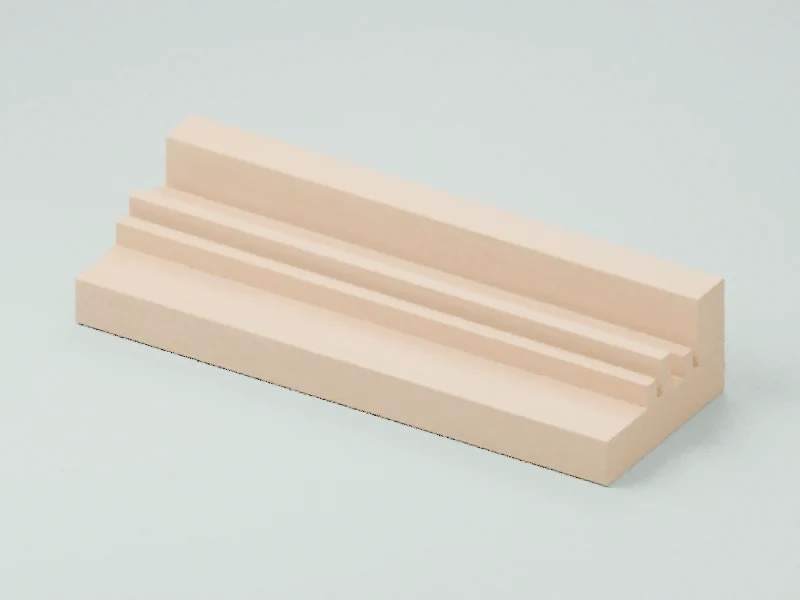
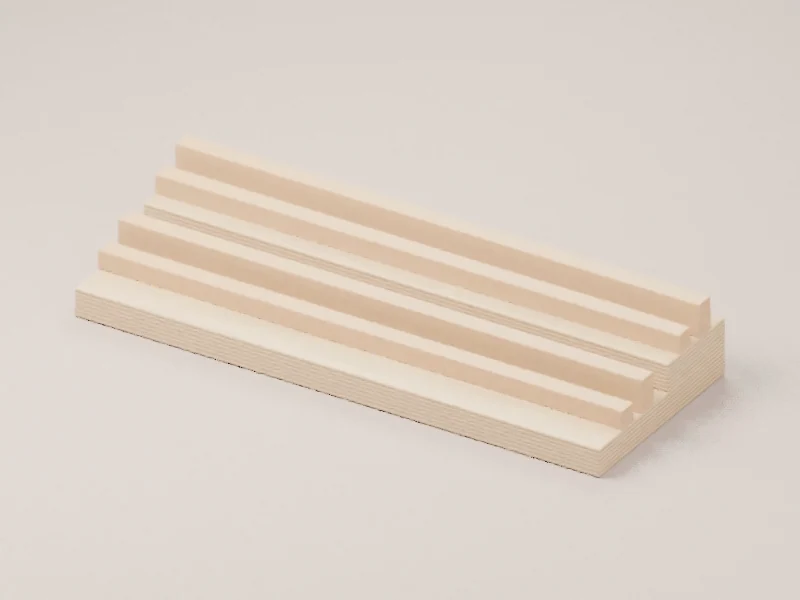
Mock up the floor and both rows, then put the shortest rear card behind the tallest front card you expect to display. Look at them from the intended chair or standing position. Preserve the part of the back image that needs to be seen, and make sure it can still be lifted.
At the bench
Name what has to show
Trace both cards on stiff paper and mark the line below the title or picture you want to keep visible. Put the shortest rear card in the mock-up first. Height ranges can matter more than average sizes. Label the card’s front face and bottom edge, so a copy that turns around in the slot still shows which way the margins were measured.
Put the stand at its intended height
Set the sample at the real shelf or desk height, then take a seat or stand where you usually look at it. A high stool can make the first card seem much lower than it will from a shorter chair. Compare at the lowest and highest likely eye positions. Photographing the mock-up at those heights can help remember which configuration worked.
Change one dimension at a time
Try raising the rear support on a scrap, or move the front support farther toward you. Keep a note of both positions from the base’s front edge. If you change the support angle and height together, it becomes hard to tell which movement guards the title. The easiest successful change is often an adjustment to where a sample rail sits.
Keep the hand route open
Give the rear card an ordinary lift after checking visibility. It may need room in front to lean or slide as you remove it. If someone must take out the whole front row every time, leave a small side opening or adjust how the rails terminate. Check that the front row still looks balanced once the rear works at the viewing height.
Choose which card gets the tall position
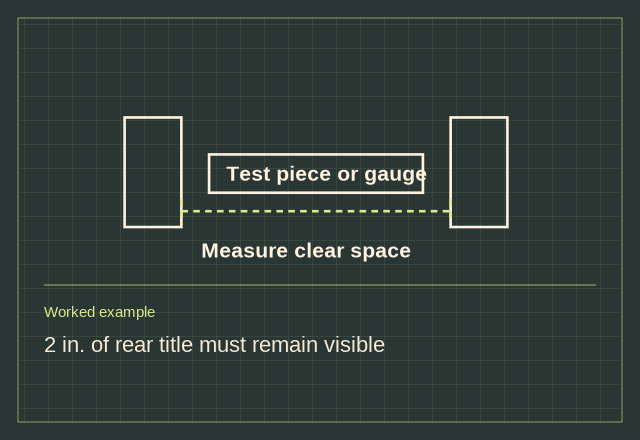
Mark the top two-inch title zone on the rear card and set the front card where you would naturally put it. If part of the title disappears, swap the cards before adjusting wood. A large front piece with a modest bottom margin may show just as well in the rear, while a smaller piece is easier to read in front. Arrange the swaps on a scrap sample for the cards you expect to display, with a label for each position. If several ordinary combinations fail at the same viewing height, alter rail spacing or raise the rear support. This separates a layout that limits the whole display from a single awkward pairing.
Practice on a plan
Finished dimensions in width × depth × height order.