Fixes at the bench · 3 min read
Why pantry cans stay stuck behind the front one
Why does the second can stay put when I take the front one out?
Offcut Journal editorialUpdated
Short answer
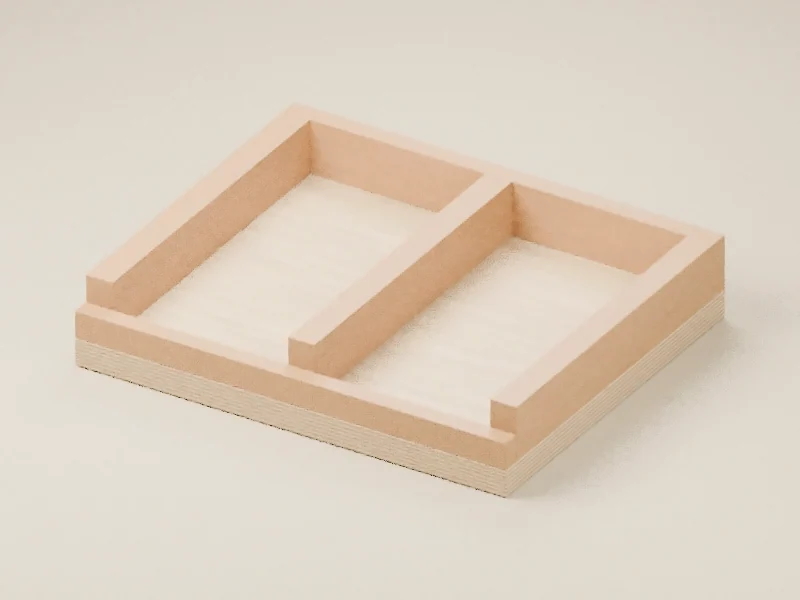
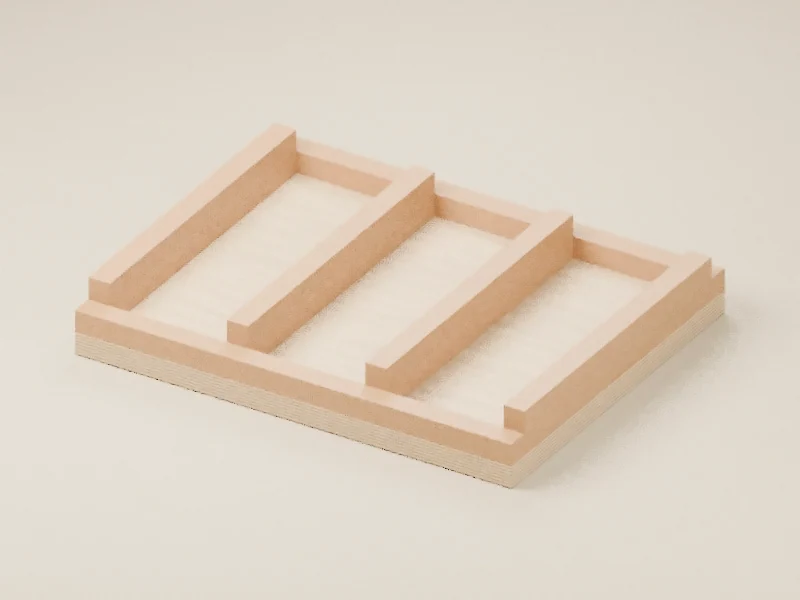
A flat wooden organizer keeps round cans in lanes, and the next can remains where you parked it. When a can that should move by hand jams, the label seam, rolled metal rim or a can turned across the lane may be the obstruction. Try an empty, undamaged can with its edges intact or use a smooth capped cylinder of a similar size. Work at counter height before you attempt a reach inside the shelf.
Find the cause
See how one can moves alone
Place the test can halfway into a clean lane with both ends equally spaced from the walls. Draw it forward slowly with two fingers while you watch the rolled end rims. If it moves from one side to the other on its own, inspect for a bent rim, stuck label edge or debris along the floor. Swap in a second sample with a different rim.
Watch what two sizes do together
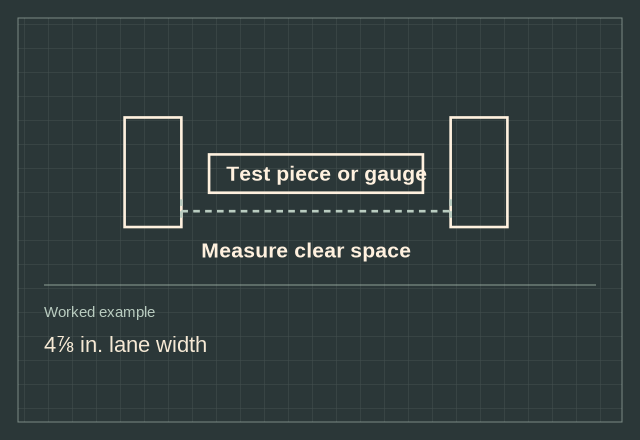
Put a second test can behind the first and remove the one at the front as you normally would. Take the rear one by its middle if you can reach it and slide it out straight. If the rear can only jams when a larger can sits alongside in the other lane, compare the available finger space and look for a label or seam projecting above the divider.
Check shelf height and hand access
At the actual shelf, see whether you can grasp the second can without reaching over the full front stop or tipping the organizer. Leave space behind the organizer for fingers if the shelf allows it or load fewer cans per lane. Store cans with their labels visible so you can identify and grasp a desirable can before it goes to the very back.
Keep the lane in its design orientation
Use the organizer level and observe any cabinet slope before putting items in it. A self-feeding rack needs its own controlled pitch and retention design. Raising this one on loose scraps can send a can toward the front unexpectedly and reduce stability. If easy hand access is the problem, move the organizer to a shallower shelf.
Check whether a rim climbs the front stop
A front can has to come up and over the stop before the next can has room to advance by hand. Put two harmless test cylinders in the lane and keep the one behind lightly supported as you lift the front one. If the front cylinder stays low enough to catch between stop and neighbor, reverse your grip so the closest end comes up first only where the opening allows it. A low shelf can block even that smaller motion. Before modifying anything, test with one can per lane or move the rack to a shelf with a better approach. Both options keep the organizer level and its retention intact.
Practice on a plan
Finished dimensions in width × depth × height order.