Fasteners and glue · 2 min read
Add a Replaceable Wear Face to a Small Wood Fixture
Which part of a shop fixture should be replaceable when only one edge wears?
Offcut Journal editorialUpdated
Short answer
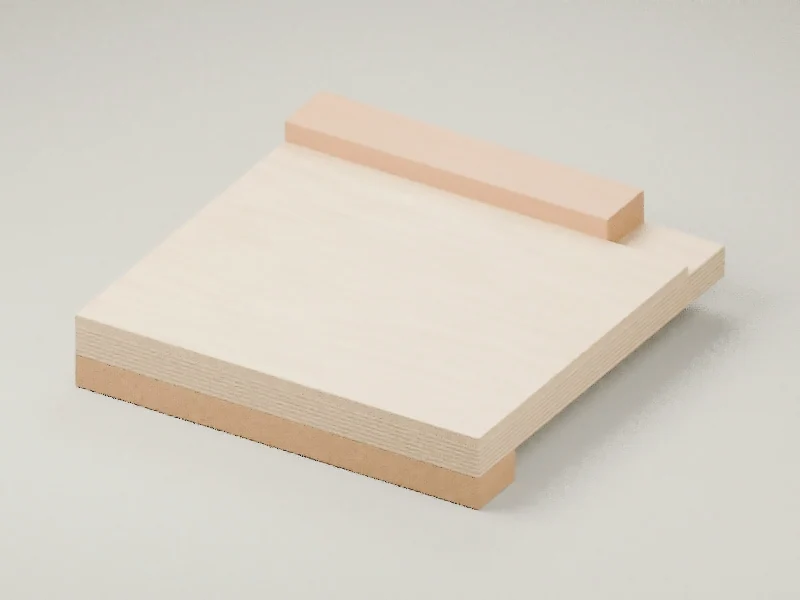
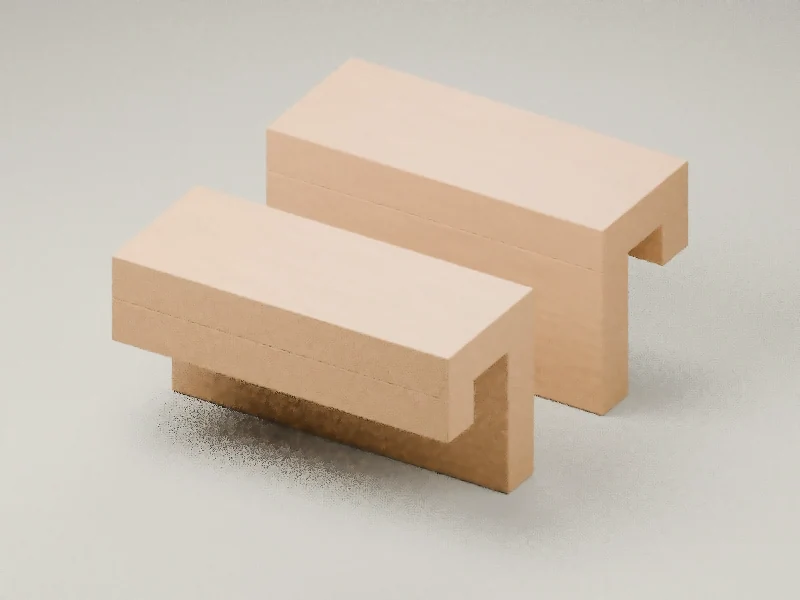
Identify the surface that actually gets damaged and preserve the reference that locates it. If the design permits a removable face, draw it as its own part on a common base. Rehearse how you would change it without moving the rest of the fixture. Use the original plan as the reference when checking whether an added face is appropriate.
At the bench
Decide what the base continues to do
Write down which permanent features locate the fixture on the bench. Keep the working face separate from those features wherever the plan allows. If the wear surface and base share an important edge or contact plane, trace how replacement affects that geometry before you add hardware.
Keep hardware clear of expected wear
Show the original working surface and the amount of wood you expect to remove in service. Mark every metal fastener on the relevant views. Check that it remains outside the tool path and follow the published assembly details rather than adding hardware where the design has no provision for it.
Use the same reference on each replacement
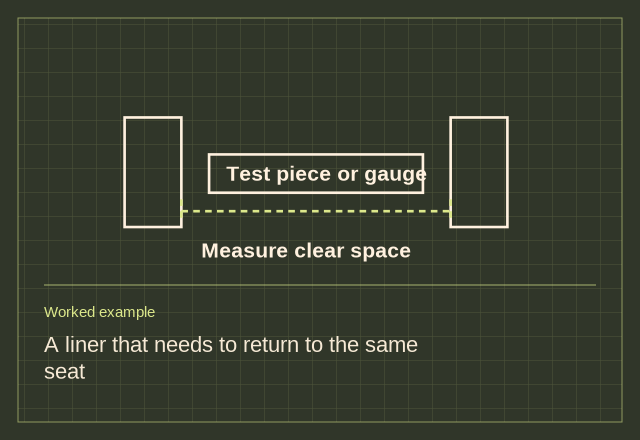
Choose a permanent reference that you can see while seating a new face. In the mock-up, put the replacement against that surface and mark where the fastening points land. Compare the position with the old face before copying any location. Keep the exact material, thickness, and orientation with the plan.
Check removal in its normal place
Prove that you can reach the seat, see the reference, and withdraw the old face. If you have to turn the entire fixture over, confirm you can support the other parts while doing it. Store a clean scrap or full-size paper pattern to make the next fit easier to repeat. When the new face is installed, compare it with a short offcut resting against the original reference just as the work would sit.
Rebuild from the fixed seat when the old face is too worn
On a used bench hook, a damaged edge or long-open kerf can make the discarded face a poor pattern. Keep the seat face of the base and the published blank dimensions as the first references. Place a square scrap against both of them and mark the new working surface before comparing it with the worn part. If they disagree, separate expected wear from a change to the base itself. A bruised or shifted reference needs attention before it can locate another face. Compare the replacement with the intended workpiece at rest and recheck the fastener paths using the current thickness.
Practice on a plan
Finished dimensions in width × depth × height order.