Fasteners and glue · 2 min read
How to Check the Reference Faces on a Wooden Fixture
Which surfaces have to agree when making a wooden reference block?
Offcut Journal editorialUpdated
Short answer
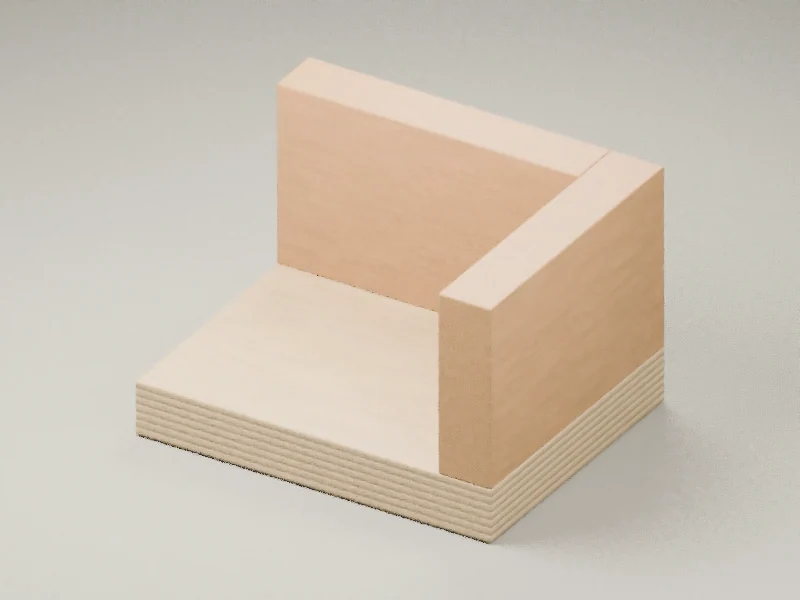
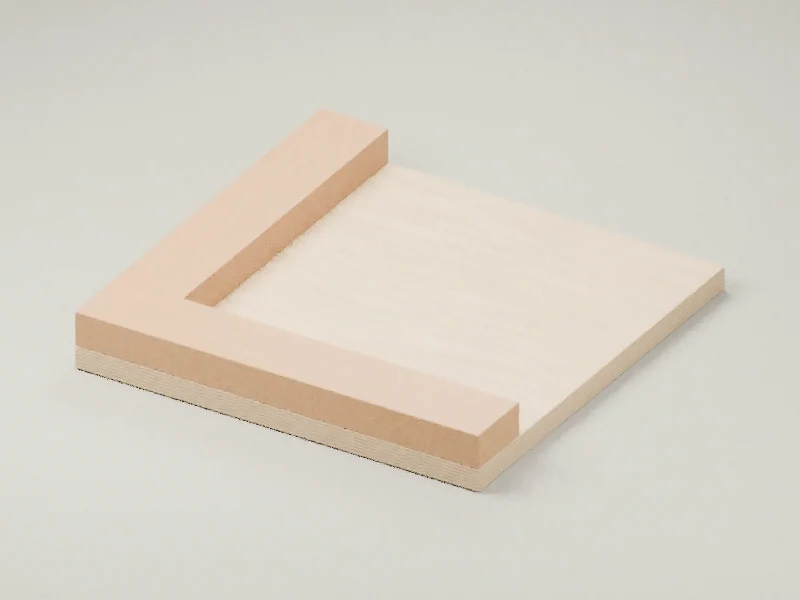
A wooden reference block can look right from its outside edge and still tip slightly when it sits on the work. The surfaces that matter are the ones that touch the bench or workpiece and the ones you use to read the reference. Name those surfaces before fitting the fence or joining the block. Once you know where the block takes its bearing, a failed check becomes a small, repairable detail.
At the bench
Establish the bearing surface
Place the fixture on the surface it follows in use. Touch its corners one at a time and see whether they stay seated. Turn the fixture around on the same patch and repeat. If the wobble follows it, look at its feet or underside. If the wobble stays on the patch, check the flatness of the surface you chose for the check.
Read the face you actually use
Set a reliable square against the seated base and compare the blade with the upright reference. For a fixture with two visible references, check each face after orienting the base the way you will use it. Use good light. A face can make contact at one end of the square while a shadow opens at the other.
Find the fence's contact points
Dry fit the fence and check where it touches before fixing its position. Feel for a thin burr, torn fiber, or trapped debris along the joining surface. Keep the fixture components still while you mark its approved position with a small pencil line crossing both parts. That mark records the fitted relationship without requiring you to copy a dimension from another edge.
Repeat after joining
Put the fixture through the same seating and reference check once the joint is ready to handle. Mark the verified face on the fixture if a second, unverified face looks similar. A visual reference block is a way to compare orientation at the bench. Check the chosen project and tool instructions for how a tool itself must be set up.
Check the square before it judges the block
When a reliable straight reference is available, set the square’s stock against its edge and draw a fine line along the blade on a practice board. Flip the square to the other side of that line, register it against the same edge, and compare the blade with the original line. A visible difference calls for checking the square and straight edge before working on face B of the fixture. Keep face A seated during the actual reading and make the comparison in both directions of use. This protects a well-fitted block from being adjusted to match a checking tool that has drifted.
Practice on a plan
Finished dimensions in width × depth × height order.