Sanding and finish · 2 min read
Check Your Shop Conditions Before Applying Finish
How do I tell if my shop is ready for a coat of finish?
Offcut Journal editorialUpdated
Short answer
Read the product’s application and drying conditions, then check your intended work position and the place where the piece will stay afterward. The number seen at the doorway can miss a cooler bench, and moving the piece can change several conditions at once.
At the bench
Read all of the conditions together
Look up the technical sheet for the exact formulation. Find the limits listed for application, the listed drying conditions, instructions about ventilation, and any additional limits stated for substrate or humidity. Record the range tied to the coat you plan to put down. Product directions can address the full drying window as well as the few minutes the piece is on your bench.
Measure next to the piece
Check conditions where you will work and at the planned drying location. A top shelf, a cold bench, and a doorway can differ in air movement and temperature. Measure only the variables the instructions call for, with equipment appropriate to the measurement. Check again if you open a door or relocate the part. A small discrepancy matters when your first reading sat near a stated limit.
Plan the next several hours
Read forward through the conditions required after you put the coat down. A room that starts within an allowed range may change as the sun leaves the window or building heat cycles off. Choose a work period that can hold the manufacturer’s requirements and move the unfinished work first if your preferred space is unsuitable. Keep the new spot consistent with the required air handling.
Write down the reading with the coat
Mark the coat number, time, work position, and conditions near the stand on a piece of scrap paper. Compare the actual sequence to the recoat guidance before doing more. The record helps on a second day when the boards and finish are the same and the shop environment has changed.
Check the finish that came from cooler storage
If the unopened finish was stored in a cooler location, read its directions for storage and temperature before bringing it to the prepared stand. A bench reading describes the work area and may tell you little about a product that just came in from a cold cabinet. Follow the manufacturer’s conditioning and mixing directions instead of improvising a way to warm the container. Note when you moved it and follow any condition check the label specifies before opening it to work. If it was stored outside its permitted range, consult the maker before using it. That decision is separate from choosing a suitable place for the piece to dry.
Practice on a plan
Finished dimensions in width × depth × height order.
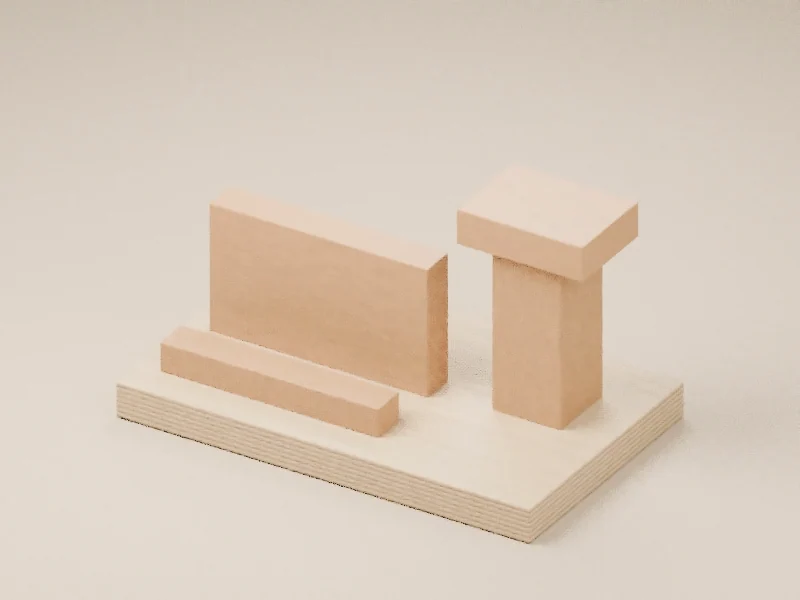 Wooden Wallet and Watch Stand with an Open SaddleFinished size · 9 × 5½ × 5 in.
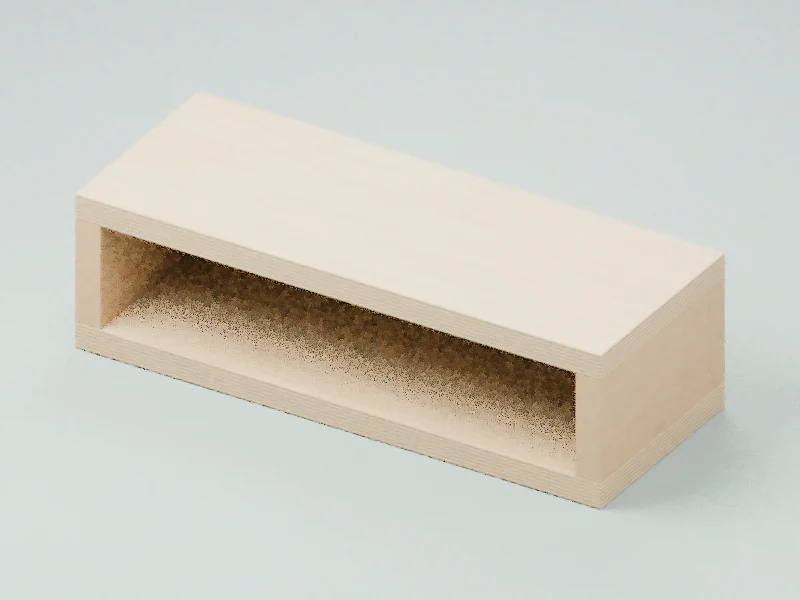 Low Desktop Shelf for Pocket NotebooksFinished size · 15½ × 6 × 4½ in.