Measuring and layout · 2 min read
How to Leave Room to Unplug a Power Adapter Behind a Wooden Rack
How much space should I leave behind a wooden cable organizer to unplug an adapter?
Offcut Journal editorialUpdated
Short answer
Check with the actual adapter disconnected from power. Use its installed outline plus the space needed for the connector to slide free. Keep the opening clear along that path, and check the maker’s placement guidance before deciding where the rack will sit.
At the bench
Name the part that moves
Lay the adapter, cable, and a piece of masking tape on the bench. The tape represents the far edge of the rack. Find which control or plug you disconnect, and check whether the adapter stays put. A snapped-in wall wart has a different release motion from a cable that slides straight out of a desktop unit.
Mark the full release travel
With the adapter unplugged, connect the cable and hold the adapter steady. Mark the back of the connector shell, then pull it straight out until it releases and mark that position too. Read between the marks, starting from the same edge each time. Include the shape of a stiff sleeve, which may protrude beyond the connector shell.
Build a hand-sized model
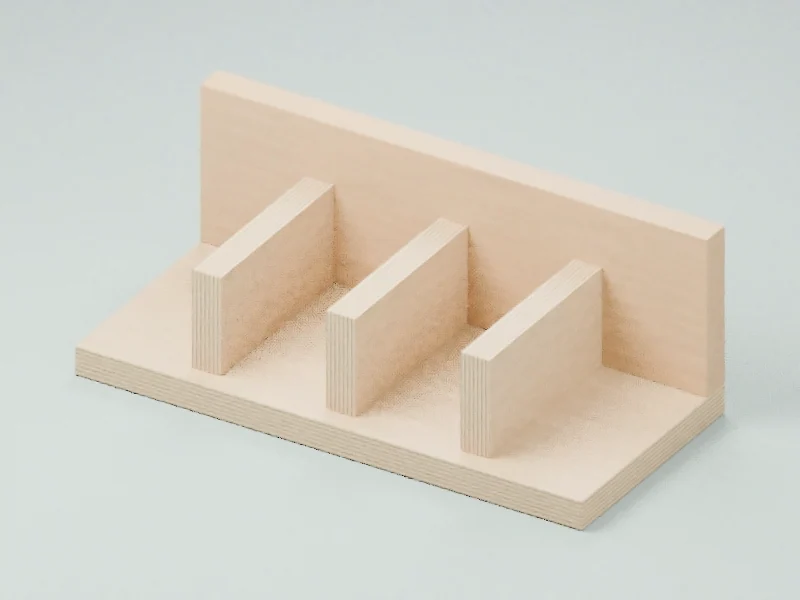
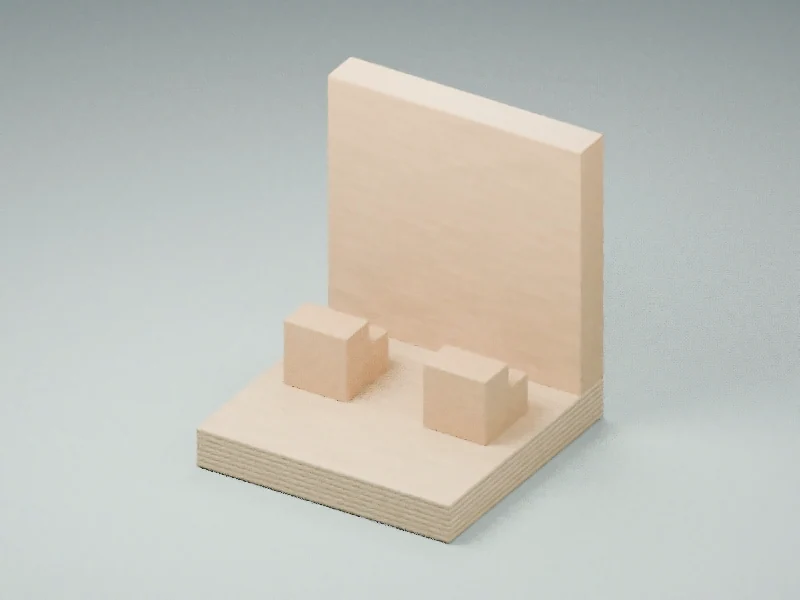
Use two scraps to stand in for the desk wall and the back rail. Set them at the planned distance while you hold the real adapter in place. Reach the plug with the fingers you would normally use. Move the mock-up to the underside of a desk or to a shelf where the angle of your wrist is closer to the actual setup.
Keep a simple exit route
If the needed clearance is larger than the furniture allows, move the rack forward, choose an open end, or use an organizer that lets the loose adapter lift out. Read the device instructions before placing it in any enclosure. Measure again after you add a retaining rail or cable clip. An open slot at one end can save a surprising amount of handling room.
Test whether the cord consumes neighboring shelf space
The four-inch trial depth leaves ¾ in. after accounting for the 2¼-inch body and one inch of release travel. That space might also be the route for a cable from the next adapter. Set both unpowered adapters and their cables in the mock-up. Disconnect the more awkward one and check whether its exiting plug crosses the neighboring cable. Rotate one adapter or give each plug a clear side route if pulling either cord moves its neighbor. Leave the cable in a relaxed position suited to its instructions. Once the wood is in place, keep the clearance you used for removal clear of permanent clips or a back panel.
Practice on a plan
Finished dimensions in width × depth × height order.