Fasteners and glue · 2 min read
Keep Metal Fasteners Out of a Hand Tool’s Path
Where should I keep screws clear of a plane or saw on a wooden jig?
Offcut Journal editorialUpdated
Short answer
Draw the full tool path on the fixture as part of the fastener layout. Include the area that will be trimmed when you size a new stop or renew a worn face. If the path and a metal fastener overlap on any view, stop and resolve it with the published layout before using the fixture.
At the bench
Look from the tool’s direction
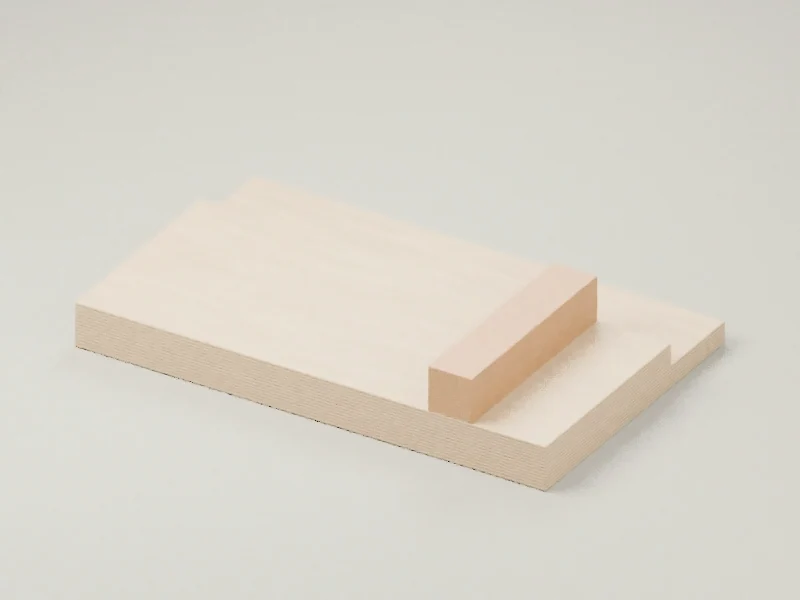
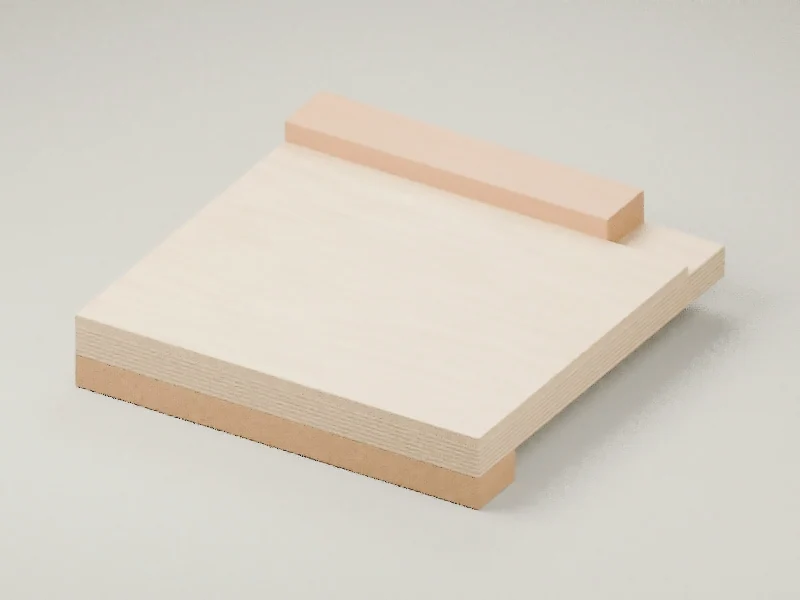
Set the tool beside the mock-up with the cutting edge guarded or retracted as appropriate. Follow the surfaces that bear against the fixture. Trace both the normal working path and the overtravel that can occur after the workpiece is removed. On a bench hook, the path also includes the cut kerf used as a reference.
Show the buried part of every fastener
The visible head can be outside the cutting area while the tip extends into it. Draw actual fastener length on a second view and check which piece receives it. If two installed screws approach from different faces, map both in the same view and leave the choice open until you can see the whole path.
Include future trimming
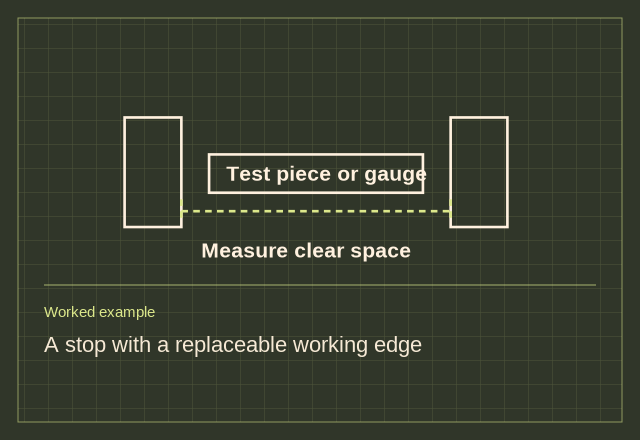
Draw the new working edge where you will start and the shorter length at which you will retire the stop. Treat all the wood between those lines as a planned wear area. Mark the cutting or registration side where it stays visible during a replacement. That line can help keep the hardware on the correct face.
Keep changes with the jig
If you change a screw length, write it on the working copy next to the stock thickness and the direction it enters. A replaced part can be easy to copy from the outside. Give yourself the internal fastening information you will need the next time the part is off.
Keep a clear warning on concealing parts
Some fixture screws disappear behind the next layer of wood. Before that layer goes on, take a side-on photo or make a tracing with the project’s front and the exact hardware shown. Give the plan’s intended working edge its own mark. Then check whether the same information is still accessible to someone looking at the completed jig. On a bench hook that may be trimmed as it wears, a note on the fixture can point to the current drawing and indicate the face that hides the fasteners. If you cannot verify the fastener path from the working copy or the actual parts, leave cutting and trimming for after that uncertainty is resolved.
Practice on a plan
Finished dimensions in width × depth × height order.