Fixes at the bench · 3 min read
Why a drill bit sits high in its parking block
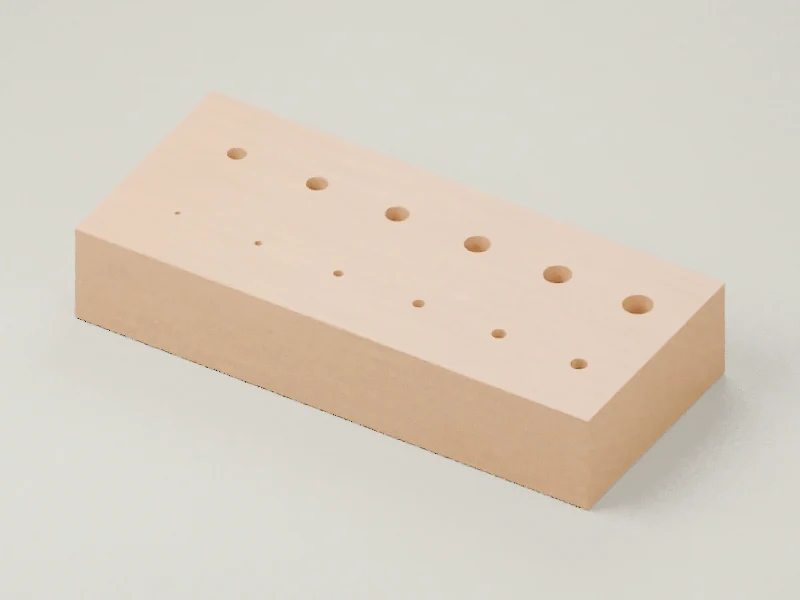
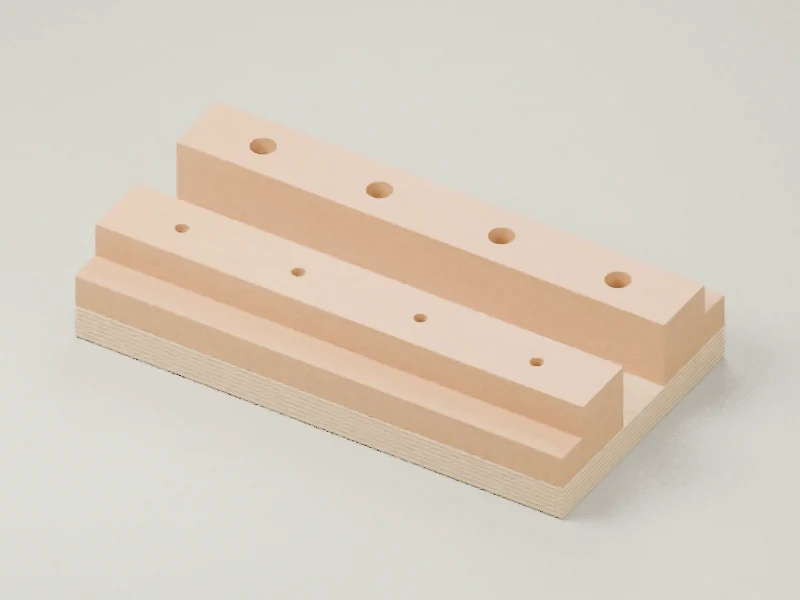
Why is one drill bit suddenly sitting higher in a wood parking block?
Offcut Journal editorialUpdated
Short answer
A short shaving can lodge at the bottom of a blind bore. A bit with a reduced or stepped shank can also end up in a different hole when the bench gets busy. Work with loose bits only, entirely out of powered tools. Hold each bit by its smooth shank with its edges away from you and inspect the empty socket in strong light. Compare a known size before deciding whether a bore has changed.
Find the cause
Check which part is supposed to bear
Look at the smooth shank, ignoring the printed size on the bit until you compare the actual shape. A step, hex flats or a shoulder may determine the position even if the cutting diameter matches a label. Note whether the interference begins at the first contact or after the shank is partly into the hole. Do not force either fit.
Tip out loose debris with the block empty
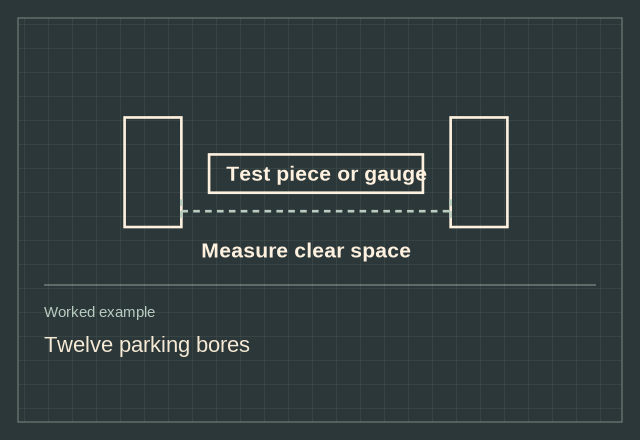
Remove and account for all bits. Tip the block over a catch surface and use a soft brush at the bore openings. Look into the dry bores before replacing anything. A slender unused paper or wood gauge can show the depth without scraping the bore wall. Keep hands clear of exposed edges while handling stored bits.
See whether the symptom follows the bit
A shank verified to fit a second matching hole can locate the issue. Try that clean hole with the block on the bench. If the bit sits high in both, look again at its shank for a new obstruction or a step in shape. Set a damaged bit aside according to its manufacturer’s directions. If only one bore is shallow, label it until you have dealt with the defect.
Keep storage patterns visually distinct
Use visible labels for shank sizes, and separate router tooling or unusual profiles from bits meant for a drill. A same-size printed cutting number does not settle interchangeability. When checking an unfamiliar bit, confirm which feature is intended to rest in the holder.
Check if a shorter shank disappears when parked point-up
Compare the height you can grip on a known clean bit and on the bit that appears wrong. A labeled bore can be deep enough to leave the shortest compatible shank almost buried. With the block free of tools except for the test bit, try to grasp the smooth body without brushing the cutting edge. If that is only possible by tipping or grabbing the cutting portion, set that bit aside in its original holder or another stable holder that leaves a sound grip exposed. Distinguish the usable depth from the bore diameter when marking the block. A label for the correct size still needs to lead to a safe lift.
Practice on a plan
Finished dimensions in width × depth × height order.