Sanding and finish · 2 min read
How to Plan Clear Finish on Narrow Upright Rails
How can I manage clear finish on narrow upright rails without building a heavy lower edge?
Offcut Journal editorialUpdated
Short answer
Test the exact application on a scrap held vertically. Watch the lower corner and the edge where two faces meet. You can often choose a more workable order, or coat the parts while flat before assembly where that suits the joins.
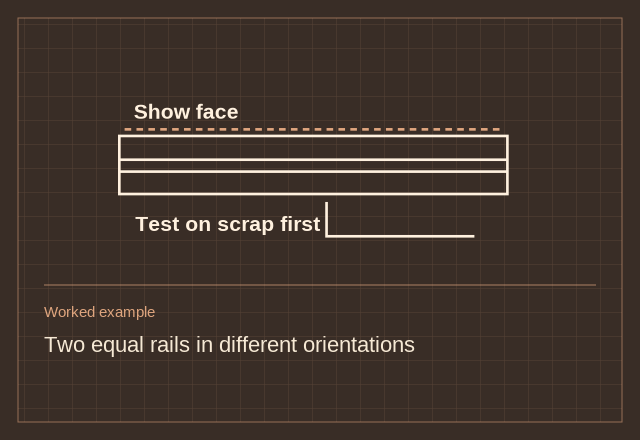
At the bench
Find the longest vertical wet edge
Dry-fit the object or set the rail upright. Follow each narrow face toward the corner where the coating could gather. A rail may be narrow enough to cover easily but have a lower shoulder that is hard to see. Use light from the side to see that corner without repeatedly moving or touching the fresh part.
Test your order within the product’s instructions
A small sample can tell you whether it is easier to coat opposite faces in separate handling stages or work around one rail as the product permits. Stick to the label’s coverage and application method. Avoid chasing a surface that has begun to set just to make it look uniform in the moment. Devise an order that lets every reach stay deliberate.
Put accessible flat work first where possible
A removable panel or a simple rail may be easier to coat flat and keep bare where adhesive belongs. Choose the sequence using the actual project joints. Dry-fit the pieces after the finished faces are ready for careful handling. Plan where the joints and clamps will touch, including the ends that were easiest to coat while the part was separate.
Inspect with the rail still in position
Let the sample go through the labeled stages and look from several sides. At the edge, decide whether the coating looks even, and feel for a ridge only once the instructions permit it. If the vertical sample shows a heavy lower line, change orientation or application on scrap. A sharp comparison gives you a better adjustment than hurrying the same coat on the real build.
Look for buildup at a crossing
An uninterrupted test rail can miss the corner where a trellis rung meets its upright. Rehearse on a small scrap assembly held in the final orientation. Use the product’s approved application method and follow its timing. Inspect the lower edge of the crossing while it is still easy to see from the side. If excess collects there, move that crossing earlier or later in the application route as the maker’s method permits. Compare the choice with prefinishing accessible surfaces and preserving the required bonding areas. The winning route leaves you a clear view of the corner without asking you to keep returning to a setting finish.
Practice on a plan
Finished dimensions in width × depth × height order.
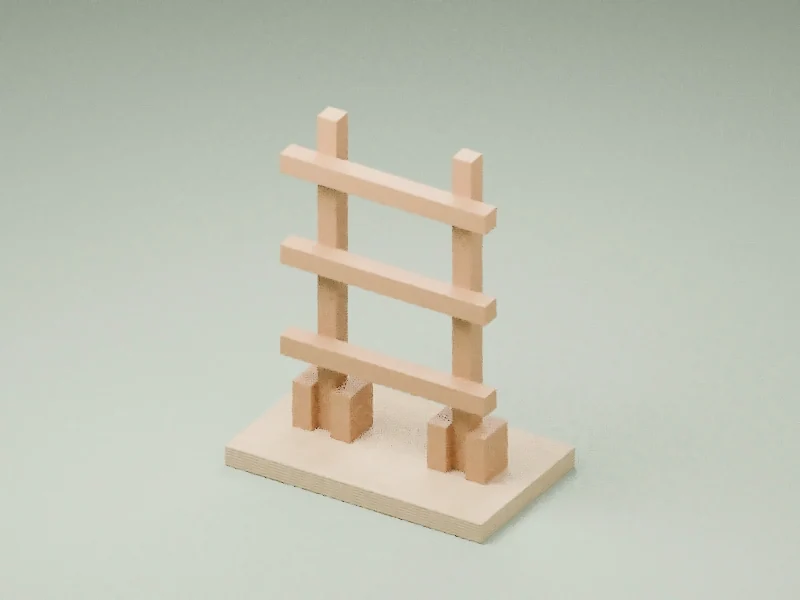 Small Freestanding Wooden Trellis for Indoor VinesFinished size · 10 × 6 × 12¾ in.
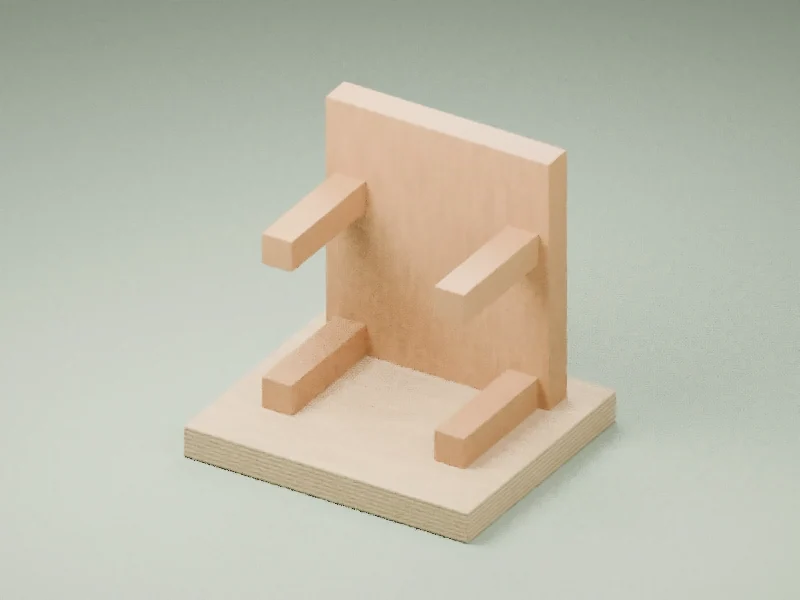 Open-Front Wooden Bud Vase SleeveFinished size · 7 × 6 × 6¾ in.